Iran26 August, 20263 min read
Hillary Clinton Says India And China Can Help Defuse US-Iran Conflict If Trump Pursues Diplomacy
This article is an automated aggregation of coverage from news outlets. Our editorials offer in-depth analysis curated by the NewsCord team.
India and China could help defuse the US-Iran crisis if Trump pursues diplomacy. China's energy ties with Iran give leverage to press Tehran to reopen Strait of Hormuz.

Clinton backs diplomacy
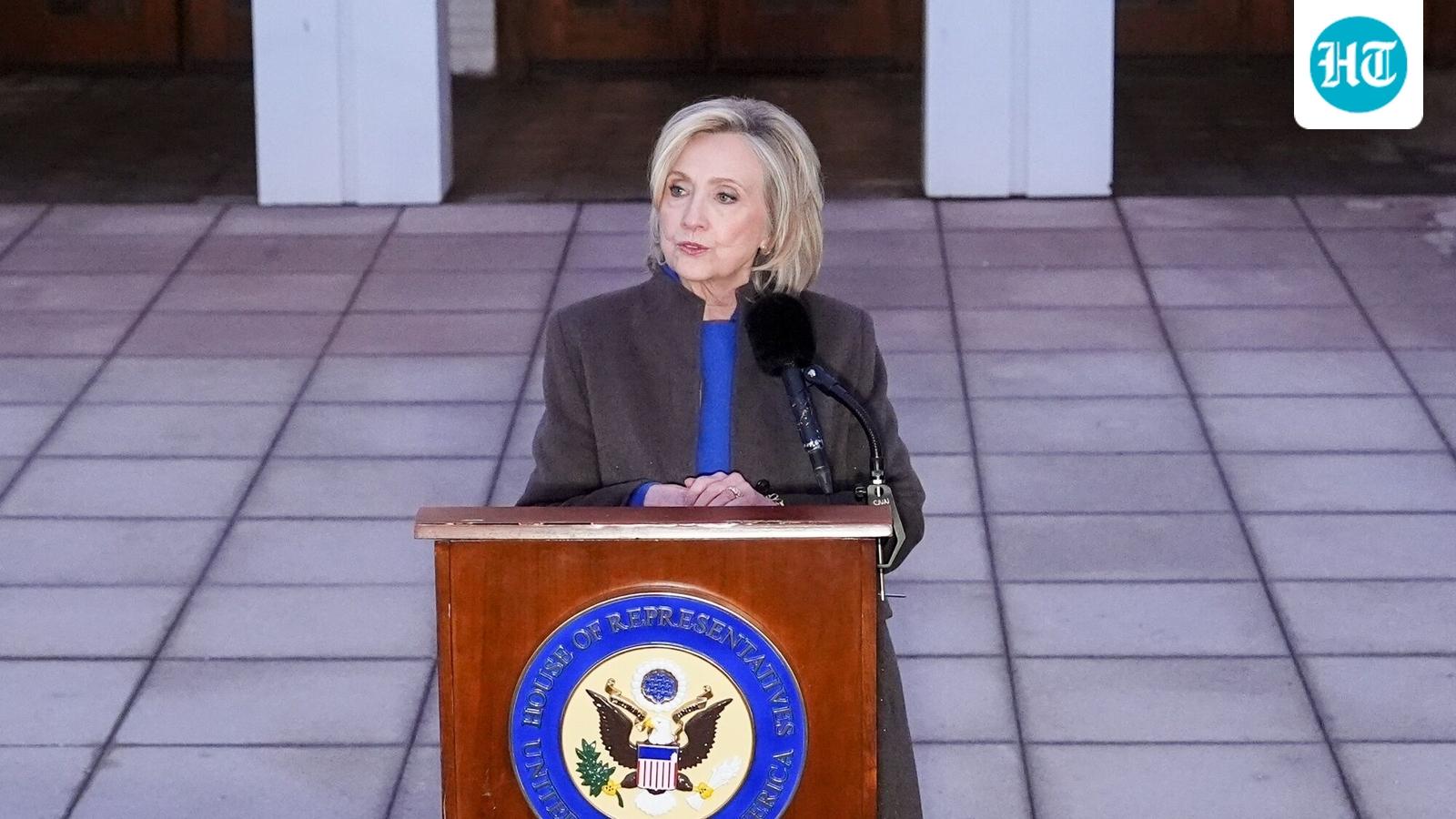
Former US Secretary of State Hillary Clinton said India and China could help defuse the US-Iran conflict if Donald Trump pursues diplomacy, arguing their Iranian energy links give them leverage to reopen the Strait of Hormuz and lower tensions. Clinton said the conflict began on February 28 when the US and Israel launched a joint attack on Iran, triggering retaliatory strikes, and she warned that the Strait of Hormuz became a choking point as shipping was disrupted because of the war. In a C-SPAN interview, Clinton said, "If you want to figure out how Trump could get out of this, I think the key to it is probably China and India," because they buy the most oil and gas from Iran.
She added, "China is far ahead of that; they have been banking a lot of fossil fuels they got in tankers" and that China would need Iran, while Pakistan, Oman and Qatar are among the countries trying to mediate between the US and Iran. Clinton’s remarks came as the US announced a fresh round of sanctions on Iran and warned countries doing business with Tehran to cut financial ties or face retaliation from the US.

Sanctions and threats
US Treasury Secretary Scott Bessent announced a new round of sanctions aimed at Iran and warned every country that does business with the Islamic Republic to sever those financial ties or face retaliation from the US. Tehran threatened a military response to the US plan to impose fresh sanctions, while Clinton argued that outside pressure through countries with strong energy ties to Iran could help ease tensions. Clinton said she would tell the Chinese she was going to impose secondary sanctions unless they were going to help get the Iranians to open the Strait of Hormuz and go back at least to the status quo ante.
She framed the problem as strategic missteps, saying, "The misconceptions on a strategic level have led us to where we are." Clinton also pointed to a diplomatic opening that later collapsed, saying that in June the US and Iran signed an interim peace agreement, but it collapsed last month after fresh strikes from both sides.
What’s at stake
Clinton said the Strait of Hormuz remained the main sticking point in the conflict, with shipping disrupted because of the war and roughly a fifth of the world’s energy supplies passing through the Gulf chokepoint in normal times. She argued that the best pressure would come if Trump were willing to actually use diplomacy instead of bluster, and she tied that leverage directly to who buys Iranian oil and gas. Clinton’s comments came alongside the US Treasury’s sanctions push, with the US warning countries doing business with the Islamic Republic to cut financial ties or face retaliation, and with Iran signaling willingness to resume talks.
In parallel, the US announced sanctions on Iranian individuals, companies and ships accused of supporting Tehran’s military activities, cyberattacks and illegal oil trade, with measures announced on August 24. The stakes, as Clinton framed them, were whether movement through the Strait of Hormuz could be restored, and she said India and China could play an important role in any diplomatic effort to reduce tensions and restore movement.