Full story
Houthis Hit Saudi Oil
Yemen’s Iran-aligned Houthis attacked Saudi Arabian oil installations along the Red Sea coast as the Iran war broadened over the weekend despite a pause in U.S. strikes, with Houthi military spokesman Yahya Saree saying the group struck sites belonging to Saudi state oil company Aramco in the cities of Jizan and Yanbu on Saturday.
“A Ukrainian strike on an Iranian commercial vessel in the Caspian Sea could open a new front in a growing overlap between the wars in Ukraine and the Middle East”
The fighting also spilled into Yemen’s civil war, where officials said the air force of the Saudi-backed, internationally recognized government struck Houthi sites in the Marib and al-Jawf provinces while both sides mobilized forces along the front.

The U.S. military said its naval blockade against Iran “remains in full effect,” but did not explain why it halted a streak of 13 nights of escalating strikes.
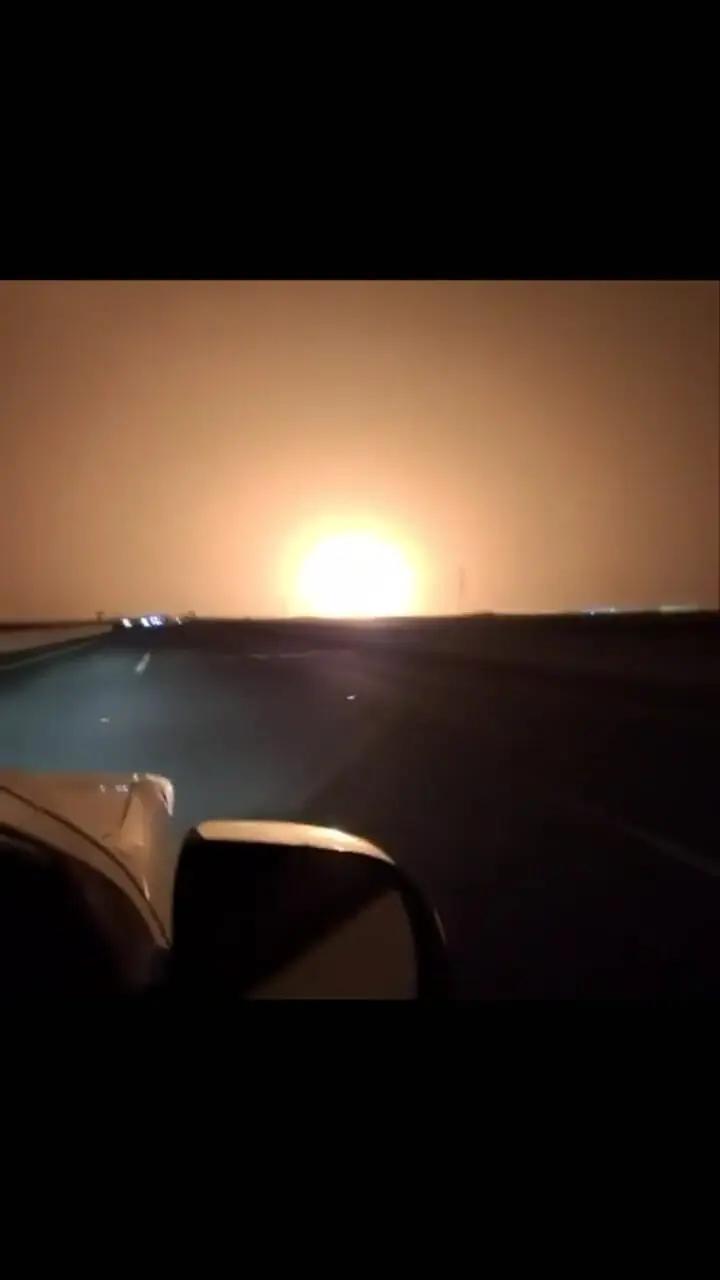
In Jizan, a large column of smoke rose from the direction of the Aramco refinery near the Yemeni border, and the refinery can process up to 400,000 barrels of crude oil daily.
In Yanbu, two missiles aimed at oil installations were intercepted, with Yanbu described as Saudi Arabia’s main Red Sea oil port and a key route for Saudi oil skirting the Strait of Hormuz.
Diplomacy Pause, Yemen Risk
The U.S. pause in strikes came as U.S. Ambassador to the United Nations Mike Waltz told NBC News’ “Meet the Press” that the administration was giving “Talks are ongoing,” while a senior Iranian source told Reuters that Iran’s position remained “attack for attack.”
Waltz said the pause was due to ongoing talks between the two countries, adding that “giving some talks some space” was part of the approach.

Despite the Gulf lull, the Reuters account described Saturday’s fighting between Iran’s Houthi allies and Saudi Arabia as showing the war could affect a second major shipping route and reignite Yemen’s civil war.
In Yemen, officials said the Saudi-backed, internationally recognized government’s air force struck Houthi sites in the Marib and al-Jawf provinces, and they said both sides were mobilizing forces along the front.
The Straits Times also tied the Red Sea attacks to Yemen’s conflict, saying the fighting “could affect a second major shipping route and reignite Yemen’s civil war,” even as the U.S. halted its streak of escalating strikes.
What’s Next for Yemen
As the Red Sea fighting continued alongside the U.S.-Iran pause, the DW report said Yemen’s Houthis claimed they shot down a Turkish-made armed reconnaissance drone over the northwest of Yemen, with military spokesman Yahya Saree saying the group “successfully shot down a Turkish-made... armed reconnaissance drone belonging to the Saudi enemy.”
“Please enable cookies”
DW also reported that the Houthis said they would close the Bab el Mandeb strait, the southern gateway to the Red Sea, to Saudi-linked shipping in retaliation for the Gulf kingdom’s blockade on Yemen and a recent attack on the international airport in Sanaa, Yemen’s rebel-held capital.
The Straits Times described how the Houthis’ Red Sea actions were linked to Yemen’s broader conflict, noting that the civil war had been paused by a ceasefire since 2022 but that “that truce broke down in July,” with the Houthis effectively joining the wider war.
In the same Reuters-based account, the Houthis’ declared naval blockade of Saudi Arabia over the past week was paired with Houthi leader Abdul Malik al-Houthi saying all Saudi oil facilities could be targets.
With the war’s geography expanding, the Reuters reporting also framed the risk that the conflict could spread further, including through shipping routes tied to Yemen’s civil war and the Red Sea attacks.