20Minutos
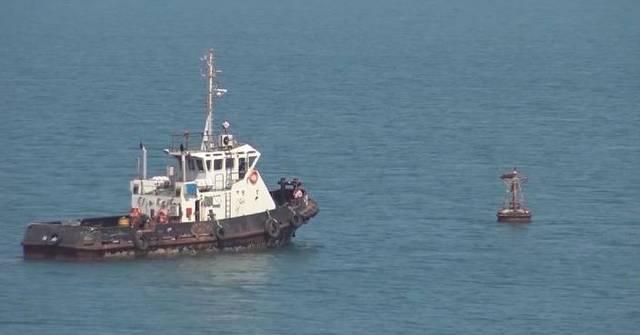
The Houthis take the island of Mayun and strengthen their control over the Bab el Mandeb strait, a key passage for world trade.
 930 WFMD Free Talk
Iran-backed terror group’s latest territorial grab threatens second global shipping chokepoint
 @alKalimaOnline
Bab al-Mandab in range of the Huthis… Will the southern front return to Israel?
 A News
UN warns Yemen escalation threatens Red Sea navigation, global trade
 ABC
Saudi Arabia announces the temporary closure of the East-West pipeline
 ABC Color
Saudi Arabia pledges a firm response to Houthi attacks as Iran dissociates itself from the conflict
 ABC News
Escalation in Yemen conflict sparks fears of humanitarian disaster
 ABC News
The Houthi advance in Yemen raises concerns about a key shipping choke point
 ABC News
Saudi oil pipeline hit in strikes will be mostly out of service for several weeks for repair
 Adan Observatory
The Yemeni government: We are dealing with the latest developments on the Western Coast and Bab al-Mandab with full responsibility and resolve.
 Aden Observer
In a dangerous strategic development... the Huthis advance along Yemen’s coast and threaten Saudi oil exports
 AFP
Yemen's Houthis take over strait vital to global shipping
 Ajael
Reuters: The Houthis reach Hannish Islands and intensify their movement toward Bab el-Mandeb.
 Akhir Khabar
Bab al-Mandeb: The Houthis are expanding their influence in the strait, and Washington is sending a military delegation to Saudi Arabia
 Akhir Khabar
Source: The Saudi Crown Prince urged Trump to strike the Houthis.. and the American president refused
 Al Jazeera
Yemen’s Houthis seize strategic Red Sea city of Mocha
 Al Jazeera
Fighting escalates in Yemen; Houthi attacks trigger alerts in Saudi Arabia
 Al Jazeera
The Houthis are testing the limits of Saudi restraint
 Al Jazeera
Houthis control key shipping route after gains along Yemen’s Red Sea coast
 Al Jazeera
Why Pakistan is talking to Iran as the Houthi-Saudi fight escalates
 Al Jazeera
Can the Houthis close the Red Sea after seizing the Yemen coast?
 Al Jazeera
Houthi advance in Yemen is about more than just the Red Sea
 Al Jazeera
‘Divine triumph’: Iran celebrates Houthis’ capture of Yemen’s Red Sea coast
 Al Jazeera
Iran-backed Houthis seize strategic Mayun Island: Can they hold it?
 Al Jazeera
Yemen’s Houthis seize strategic Mayun Island in Red Sea | Conflict
 Al Jazeera
Renewed fighting worsens Yemen’s humanitarian crisis | Houthis
 Al Jazeera
Red Sea nations watch as Houthis seize Bab al-Mandeb strait
 Al Jazeera
The Houthis’ escalation in Yemen could flop
 Al Jazeera
JD Vance insists US is ‘on top of’ Houthi advance in Red Sea | Donald Trump
 Al Jazeera
Houthis say air strikes hit Yemen after Saudi Arabia vows ‘firm’ response
 Al Jazeera
Inside the Houthis’ expanding war economy in Yemen
 Al Jazeera
Egypt’s el-Sisi meets MBS, backs Saudi call for secure Red Sea navigation
 Al Jazeera
How far will Egypt go to help Saudi Arabia secure the Red Sea?
 Al-Araby Al-Jadeed
Bab al-Mandab in Houthi crosshairs: control of Mokha would enable full dominance
 Al-Bawwāba al-Wasṭ
Research centers warn: Houthi control of Bab al-Mandeb is a new Iranian card to pressure energy routes
 Al-Hurra
Mokha’s sudden fall and the Houthis’ approach to Bab al-Mandab
 Al-Hurra
The Houthis have tightening control over Bab el-Mandeb
 Al-Jazeera Net
Bab el-Mandeb at the heart of the conflict… Why are the Houthis rushing toward the strait?
 Al-Jazeera Net
An emergency session of the Security Council on the Bab el-Mandeb and calls to protect navigation
 Al-Jazira Net
What is the Saudi East-West line, and what does its precautionary stoppage mean?
 Al-Jazira Net
How did Israel read the implications of the Houthis taking control of the Bab al-Mandab?
 Al-Jazirah Net
Hanish Islands under Houthi control… what does this expansion near Bab al-Mandab mean?
 Al-Jazirah Net
Hormoz and Al-Mukha and Ali al-Tahir.. how do strategic sites turn into pressure cards?
 Al-Jazirah Net
With the Houthis approaching the Bab al-Mandab area, what options do the government forces have?
 Al-Jazirah Net
After the Houthis took control of Bab al-Mandab, here are the latest developments on Yemen's western coast
 Al-Jazirah Net
The governor of Hajjah describes the coastal events as a conspiracy, and al-Zindani warns of broad threats.
 Al-Madyn
Axios: Bin Salman asked Trump to strike the Houthis… and the latter refused
 Al-Manar TV Lebanon
Yemeni Armed Forces Tighten Grip on Bab Al-Mandeb
 Al-Manar TV Lebanon
Trump Rejects Saudi Arabia’s Request for Strikes on Yemen’s Ansarullah: Axios
 al-Mashhad al-Yamani
The deputy director of Abdul-Maqid’s office was killed in an airstrike on al-Mukha.
 Al-Monitor
Houthi top diplomat says no intention to shut down Red Sea shipping, group open to talks
 Al-Quds al-Arabi
Do Yemen tensions cast their shadows on the Suez Canal?
 Al-Quds Al-Arabi
Yedioth Ahronoth: The Houthis’ advances in Yemen worry the Israeli security establishment.
 Al-Quds Al-Arabi
"Houthi supporters" take control of Bab al-Mandab: a map of broad military escalation that redraws the war landscape in Yemen
 Al-Talifaz Al-Arabi
Yemen War: The Houthis reassure about the safety of navigation, and Alimi warns
 Al-Talifaz Al-Arabi
The Houthis on the doorstep of Bab al-Mandab... what's next after gaining Mokha?
 Al-Televiziyon Al-Arabi
Middle East Developments… Bab el-Mandeb in the Houthis’ hands and Lebanon talks postponed
 Al-Telivizyon Al-Arabi
The Houthis control the city of al-Mukha near Bab al-Mandeb
 Al-Ḥuthiyūn yasʿadūn ḍid al-Suʿūdiyya.. taḥdīd bi-istihdāf ḥayy al-Malik ʿAbdullāh al-Mālī fī ar-Riyāḍ
The Houthis escalate against Saudi Arabia... Threat to target King Abdullah Financial District in Riyadh.
 al-‘ālamāt onlāyn
Yemen: Houthis seize Mokha and approach Bab al-Mandab as government forces withdraw
 Ala-ʿArabī
Via Pakistan… Saudi warning to Iran to curb the Houthis
 Alaa 21
Israeli concern over the Houthis’ advances in Yemen and their control of Bab el-Mandeb
 Amad Lil-i`lam
The Houthis continue to gain control of Bab el-Mandeb and the strategic islands off the western coast
 Anadolu Ajansı
Yemeni media reports Houthi control of Zuqur Island near Bab al-Mandab
 Anadolu Ajansı
UN 'deeply concerned' by developments in Yemen as 8 vehicles seized from humanitarian hub
 Anadolu Ajansı
EXPLAINER - What is Bab el-Mandeb and why it matters?
 Anadolu Ajansı
US rejects Saudi call for strikes against Houthis, offers intelligence support: Axios
 Anadolu Ajansı
Houthis capture the strategic island of Perim in the Bab el-Mandeb Strait
 Anadolu Ajansı
Vance says US in direct talks with Houthis after Red Sea island seizure
 Annahar
Houthi control of the Bab al-Mandab Strait and its strategic impact
 Antena 3 Noticias
Saudi Arabia closes its great alternative to Hormuz and fear grows of a global oil shortage
 AOL.co.uk
Iran’s Houthi allies capture strategic island on vital oil shipping route
 AP News
Iran-backed Houthi rebels take strategic port city in Yemen, raising threat to Red Sea shipping
 APAnews
Egypt-Saudi Arabia: commitment to security in the Red Sea
 Arab 48
The Houthis are nearing the point of enforcing control over Bab el-Mandeb Strait... why is it so important?
 Arab 48
Saudi Arabia closes oil pipeline as Houthi pressure tightens on Red Sea shipping.
 Arab 48
The Houthis have seized Bab al-Mandab Strait and there are ongoing attacks on Saudi Arabia.
 Arab 48
Report: bin Salman requested Israeli intelligence help to prevent the Houthis from closing the Bab el-Mandeb strait
 Arab 48
Al-Sisi welcomes bin Salman in Cairo amid developments in Yemen and the Bab al-Mandab
 Arab News
Pakistan says will act upon Makkah defense pact, military action not yet under discussion
 Arab News
Why the world needs a safe and secure Bab Al-Mandab trade and energy artery
 Arab News
UN Security Council ‘can’t call for de-escalation’ while support still flows to Houthis, Saudi envoy warns
 Arabi21
Warnings in Mecca and Jeddah for the first time... Saudi Arabia pledges a 'firm' response to the Houthis.
 Arabian Gulf Business Insight
Houthis extend hold over Bab al-Mandab and Yemen coast
 Ash-Sharq al-Awsaț
Houthi forces control Bab el-Mandeb and Yemeni islands south of the Red Sea.
 AzerNews
Houthis seize strategic Yemeni port city near Bab el-Mandeb
 Baird Maritime
Houthis reach key Red Sea island, raising shipping threats
 Bawwabat al-Wasṭ
Reuters: The Houthi movement approaches the control of the Bab el-Mandeb Strait
 Bawwābat al-Shuruq
The Houthis advance along Yemen’s coast poses a threat to Saudi oil exports.
 BBC
Yemen's Houthis reportedly seize strategic Red Sea port of Mokha
 BBC
Bab al-Mandeb: The Houthis control the strait, and a report says Trump refused a request from the Saudi crown prince to strike them
 BBC
The Houthis are advancing toward Bab el-Mandeb. What is the significance of the areas they have controlled?
 BBC
Iran-backed Houthis claim major advance in Yemen as group reportedly seizes island in key shipping route
 BBC
Did Trump reject the Saudi crown prince’s request to strike the Houthis?
 BBC
Houthis claim major advance in Yemen and tighten grip on Red Sea shipping lane
 BBC
Meion Island: Houthi seizure of Perim Island strengthens their control over a vital oil shipping passage – The Guardian
 Boursier
The Houthis close to controlling the strategic Bab el-Mandeb Strait
 Boursorama
Yemen: the Houthis seize control of a city near the Bab el-Mandeb Strait
 Bozeman Daily Chronicle
Houthis capture Red Sea island in threat to shipping, and other Mideast developments
 Breakingthenews.net
Yemeni PM: Houthis are now threat to regional security
 Business Insider Africa
Houthis seize port facing Africa as control of vital Red Sea route comes under threat
 Business Insider Africa
Africa’s strongest military hits back after Iran-backed Houthis attack Saudi Arabia as Middle East tensions surge
 Business Insider Africa
Saudi Arabia shuts pipeline carrying up to 5 million oil barrels daily as Houthi advance threatens route beside Africa
 Buzos de la noticia
Iran Celebrates Houthis’ advance in Yemen and control of the Red Sea
 CBC
Saudi airstrikes hit Yemen's rebel-held Mokha airport as Houthis capture strategic island
 CBS News
Trump says war to end "immediately" after midterms as Iran damages U.S. jets in strikes
 CBS News
Iranian vessel struck on Strait of Hormuz, as Houthis expand control of oil shipping lane
 Chosunbiz
Houthi tighten Red Sea grip, boost Iran leverage in US talks
 Clarin
Houthi take 2 strategic Red Sea islands and other Middle East news
 ClickOnDetroit
Yemen's Houthi rebels seize more key islands in southern Red Sea, tighten grip on shipping routes
 CNBC
Houthis reportedly advance to key Red Sea island, further threatening crucial oil choke point
 CNBC
Saudi Arabia shut down East-West crude oil pipeline after multiple attacks by drones from Iraq
 CNN
Iranian allies captured a strategic Red Sea island in a vital waterway. Here’s what to know
 CNN
Why Saudi Arabia has few options in its conflict with the Houthis
 CNN Arabic
Overlooking the Red Sea.. Houthis seize the strategic Yemeni city of al-Mokha
 CNN Arabic
Exclusive: A small island off Yemen could give the Houthis a strategic card in the Iran war
 CNN Arabic
"A Houthi military parade after seizing al-Mukha"... What is the truth of the video?
 CNN Arabic
Iran comments on developments in Yemen: Red Sea security is tied to this condition
 CNN Arabic
Yemeni sources to CNN: The Houthis control Perim Island near the Bab al-Mandeb strait
 CNN Arabic
What do we know about the Houthi’s control of Mokha and its consequences?
 CNN Arabic
Source to CNN: The Saudi Crown Prince urged Trump to strike the Houthis, and the American president refused
 CNN Arabic
"Targeting the Qiblah of Muslims"... Strong condemnations of the Houthis over launching a drone toward Mecca
 CNN en Español
Iran’s allies captured a strategic island in the Red Sea, on a vital maritime corridor. This is what you need to know
 commonspace.eu
Houthis capture Perim Island, consolidating their hold on Bab el Mandeb
 Crude Oil Prices Today
WTI Breaks $100 as Middle East Supply Crisis Deepens
 CTech
Hormuz, Bab al-Mandab and Saudi Arabia’s pipeline are becoming one energy crisis
 CTPost
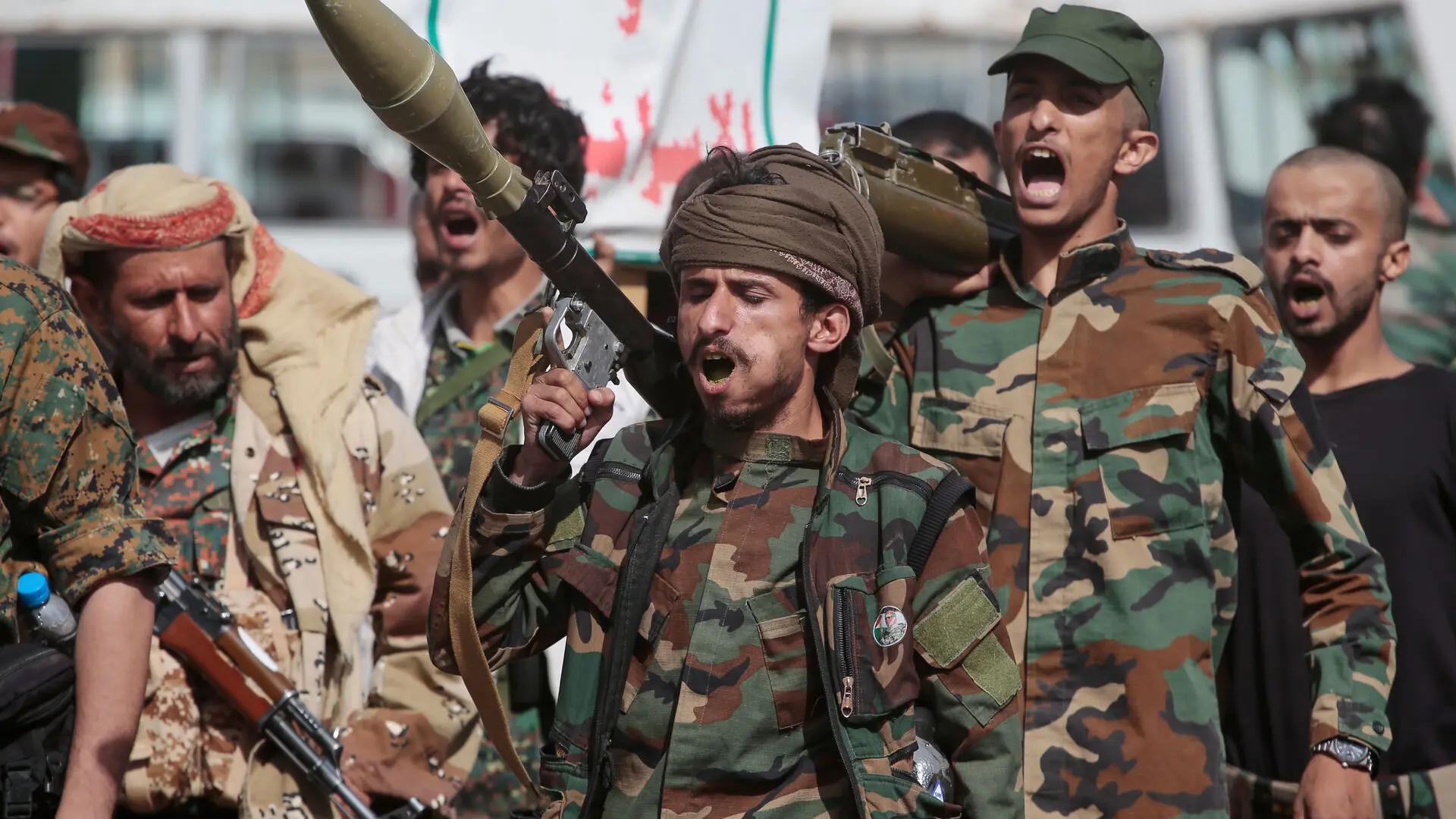
Photos show Houthi rallies, fighters and daily life inside Yemen.
 Daily Post Nigeria
Iran, Pakistan discuss Houthi attacks on Saudi Arabia, possible return to talks
 Daily Sitka Sentinel
Houthis capture Red Sea island in threat to shipping, and other Mideast developments
 Democracy Now!
Hi there,
 Deutsche Welle
Yemen: Houthis take control of strategic Red Sea port city
 Devdiscourse
Houthi Assurance on Safe Passage in Red Sea Amid Conflict
 Devdiscourse
Rising Tensions: Houthis Seize Yemen's Strategic Gateway
 Devdiscourse
Abdul Malik al-Houthi: The Elusive Power Behind Yemen's Strategic Shift
 Diari ARA
The Houthis conquer Moca and threaten to control another key point in world trade
 Drop Site News
Ansarallah completes takeover of Yemen’s Red Sea coast, strikes Saudi pipeline; Oil tops $108
 DW
Al-Alimi warns the world about the danger of Houthis taking control of Bab al-Mandab
 DW
Source: The Houthis’ latest move was at the request and support of the Revolutionary Guards
 DW
Beyond Mokha... the Houthis are closing in on control of the Bab al-Mandab Strait.
 DW
Houthi advances toward Bab al-Mandab and Saudi strikes at al-Makha airport
 DW
Yemen: Houthis tighten control of strategic Red Sea towns
 DW
Iran war: Saudi-Houthi escalation intensifies Yemen conflict
 DW
Houthi forces in Yemen seize a key island that provides access to the Red Sea
 DW
Houthi Movement: From an isolated group to a force that now controls Bab al-Mandab
 El Caribe
Hormuz and Bab el-Mandeb: the energy nightmare
 El Economista
Saudi Arabia warns of firm response to the Houthis
 El Español
After Hormuz, the Red Sea: the Houthis reach the Bab el-Mandeb Strait and threaten to choke global trade.
 El Espectador
Houthi militants seize control of Bab el Mandeb, a key chokepoint for world trade
 El Financiero
Another civil war in Yemen? Houthi leaders threaten to close Bab el-Mandeb, an alternative to the Strait of Hormuz.
 El Litoral
Houthi and Saudi forces rekindle a conflict that threatens the world’s oil
 El Mañana de Reynosa
The rebels in Yemen launch more attacks against Saudi Arabia
 El Mundo
Iran-backed Houthis seize control of a strategic bottleneck in the Red Sea
 El Mundo
Saudi Arabia closes the East-West pipeline, a route it used as an alternative to Hormuz
 El Mundo
The lightning offensive with which the Houthis seized control of a crucial oil corridor
 EL PAÍS
The Houthis seize the strategic port of Mokha and threaten a double choke on the global hydrocarbon supply.
 El País
The Red Sea powder keg joins the closure of Hormuz and worsens the oil crisis.
 El País
The Suez Canal trembles at the Houthi advances in the Red Sea and the closure of the Saudi oil pipeline
 El Periódico
The Yemeni Houthi rebels take control of a key island and port for security in the Red Sea
 El Periódico
Saudi Arabia closes the East-West pipeline as a precaution after several drone attacks originating from Iraq.
 El Sol de México
Hutíes take control of the strategic port city of Moca in the Red Sea, according to the EFE agency.
 elDiario.es
Saudi Arabia closes its only oil pipeline alternative to Hormuz after suffering several attacks
 Elnashra
Reuters, citing sources: The Houthis’ progress on the Red Sea coast was directed directly by the IRGC.
 Enderi
Red Sea: Egypt could support Riyadh through intelligence and maritime surveillance
 Enlace Judío
The Huthis complete the takeover of the Bab al-Mandeb Strait
 Escenario Mundial
Iranian pressure is simultaneously reaching the two major maritime gateways of the Gulf as the Houthis advance on Bab el-Mandeb
 Euronews
Houthis launch intensive attacks on the Yemeni Red Sea coast to take control of Bab el-Mandeb
 Euronews
Houthis blitz Yemen's Red Sea coastline in push to seize Bab el-Mandeb
 Euronews
"They are advancing toward the Bab al-Mandab".. reports speak of the Houthis taking control of Yemen's city of Mokha
 Euronews
The Houthis seize a Yemeni island and take control of the Bab el-Mandeb Strait
 Euronews
The Houthis have seized a strategically important Yemeni island in Bab al-Mandeb and now control the strait.
 Euronews
Urgent: The Houthis are completing their control of Bab al-Mandab, and Trump rejects a Saudi request to carry out U.S. strikes against them
 Euronews
Houthis seize key Yemeni island in Bab el-Mandeb, taking control of the strait
 Euronews
The Houthis seize a Yemeni island in Bab el-Mandeb and move to control the strait.
 Euronews
The Houthis capture more islands and strengthen their control over Bab el-Mandeb
 Federación de Periodistas del Perú
Situation in Yemen complicates the Middle East outlook
 Fox Business
Houthi Red Sea attacks drive up oil prices, warns Aaron Cohen
 Fox News
Iran-backed terror group’s latest territorial grab threatens second global shipping chokepoint
 Fox News
Iran pushed Houthis to capture Yemeni Red Sea ports and to attack Saudi Arabia
 Fox News
The Houthis enter the United States’ “death zone” after seizing the Red Sea “cork,” warns a former Pentagon official
 France 24
Middle East live: Houthis close in on Bab el-Mandeb as Brent barrel price soars to over $106
 France 24
Houthi forces control the strategic city of Mokha on the Red Sea and are closing in on asserting their influence over Bab al-Mandeb.
 France 24
Live: Yemen's Houthi movement seizes a key island at the heart of the Bab el-Mandeb strait
 France 24
Houthi rebels in Yemen seize Mocha: what could happen to the Bab el-Mandeb strait?
 France 24
Houthi Offensive Reconfigures Yemen's Balance: How the Risk of a Double Blockade on Trade Rises
 France 24
The Houthi rebels in Yemen control the Bab el-Mandeb strait with the capture of Perim Island.
 France 24
Shelton powers past Tiafoe to book US Open title clash with Zverev
 France 24
Houthi attacks injure 13 civilians in southern Saudi Arabia
 France 24
Bab el-Mandeb after the Hormuz Strait... what are the implications of the Yemen coast falling into Houthi hands on the Red Sea?
 FreightWaves
Houthi gains deepen risk as carriers restore Red Sea services
 gCaptain
Houthis Seize Mocha, Tightening Grip on Bab el-Mandeb and Red Sea Shipping
 gCaptain
U.S. Held Secret Talks With Houthis After Red Sea Offensive, Reuters Reports
 GOV.UK
The Houthis bear full responsibility for the escalation in Yemen: UK statement at the UN Security Council
 Gulf News
Brent crude tops $107 after Houthis' seizure of Mokha, near Bab Al Mandab Strait
 Gulf News
Saudi oil pipeline may be hit as Houthi attacks escalate: report
 Gulf News
Saudi oil pipeline crippled for weeks as Houthis seize more Red Sea islands
 Gulf News
US secretly met Houthis; group pledges not to attack US, Israeli ships
 Gulf News
Vance warns of 'energy crisis' as Iran, Houthis threaten key oil routes
 GV Wire
Houthis Seize a Key Red Sea Island, Threatening Yet Another Global Oil Route
 Haaretz
Report: Trump Declines Saudi Crown Prince's Call for U.S. Strikes on Houthis
 Haaretz
Trump Says Iran 'Probably' Behind Attack on Saudi Pipeline
 Haaretz
Houthis Seize Additional Red Sea Islands, Tightening Grip on Key Shipping Route - Middle East News
 Haaretz
Sources: Houthis Met U.S. Officials, Vowed Not to Attack U.S., Israeli Vessels - Middle East News
 Herald Bulletin
Saudi Arabia shuts down a pipeline as Houthis seize an island, opening a new front in the Iran war
 horn review
The Houthis at Bab el-Mandeb and the Stakes Ahead
 https
Houthis Seize Mocha, Advance Toward Bab el-Mandeb
 https
Brent gains as Houthis escalate conflict in the Red Sea
 https
Trump turns down Saudi request for strikes on Houthis in Yemen
 https://
German Chancellor: We will not allow navigation to be held hostage by the Houthis
 HuffPost
Iran-Backed Houthi Rebels Take Over A Strategic Port City In Yemen, Posing A New Threat To Shipping
 i24NEWS
'Iran doesn’t control the Houthis,' Pakistan warns Iran to rein in Houthis as Saudi strikes escalate - report
 i24NEWS
Bab al-Mandab under threat from the Houthis.. a escalation that raises concerns for Israel and Saudi Arabia
 i24NEWS
Breaking News 14.9.2026
 i24NEWS
How The Houthis Became A Global Threat
 IndexBox
The Houthis arrive at Bab el-Mandeb after taking the port of Mocha - News and Statistics
 India Today
Middle East tensions rise as Gaza strike kills family and Houthis seize Mokha
 India Today
Iran urges Saudi Arabia to end Yemen blockade as Houthis seize Mokha
 India Today
As Pakistan walks back over help against Houthis, Saudi turns to Trump, gets snubbed
 Infobae
Yemen asks the Security Council to prevent the Houthis from turning Bab el Mandeb into a "blackmail"
 Institute for the Study of War
Iran Update: September 10, 2026
 International Business Times
Houthis Capture Mocha as Yemen’s Coastal Defense Line Collapses
 International Business Times
Yemen's Houthis Reportedly Met With U.S. Officials After Making Key Gains. They Promised Not To Target U.S. Ships.
 Internazionale
Houthis advance along Yemeni coast, threaten Saudi oil exports in the Red Sea
 Iran International
Iran-backed Houthis advance near key Red Sea shipping route as Yemeni forces retreat
 Iran International
Russia may fill Iran gap if support for Yemen Houthis falters
 Iran International
Trump rejects Saudi crown prince's request for US strikes on Houthis - Axios
 Iran International
Israeli envoy says no victory until Islamic Republic falls
 Iran International
US officials met Iran-aligned Houthis in Oman - Reuters
 Irām Biznes
Saudi Arabia stops the East-West oil pipeline as a precaution after Houthi attack
 Israel Económico
Israel is once again on alert for the Houthis, an enemy not to be underestimated
 Jang
Houthi rebels seize strategic Red Sea island, threatening global oil trade
 Jaryidah Zaman al-Turkiyah
In the first test of the Mecca Agreement... Yemen’s war heats up
 Jerida al-Quds
Field escalation on the Yemeni coast: the Houthis reassure international shipping and Al-Alimi warns of a threat to Bab al-Mandab
 Journal de Québec
Yemeni Houthi fighters seize a key island at the heart of the Bab el-Mandeb Strait
 Juridat Al-Riyadh
TEXT 2 translation:
Yemen's Foreign Minister: The Houthi escalation and the threat to Bab al-Mandab’s security serve Iran's agenda.
 Kashmir Observer
Ansarallah Sweep Yemen Coast, Tighten Grip on Bab al-Mandeb
 KCH FM
Riyadh promises a firm response to Houthis after 13 wounded in attacks
 KDVR
Houthi’s seize strategic Red Sea port in Yemen, and other Mideast developments
 KSL News
Yemen's Houthis reach strategic island at mouth of vital shipping lane
 Kurdistan24
Houthis Seize Mocha as Yemen Fighting Threatens Bab al-Mandab Shipping Route
 Kurdistan24
Houthis Take Remaining Government-Held Islands Near Bab al-Mandeb
 Kurdistan24
Ben Salman asks Trump to strike the Houthis.. and Washington refuses direct military engagement
 Kurdistan24
Houthis Say More Than 200 Fighters Freed as Yemen Offensive Intensifies
 L'Express
Yemen: The Houthis advance toward the strategic Bab el-Mandeb Strait
 L'Express
Yemen: The United States plays the tightrope walker in the face of the Houthi threat
 La Razón
The Houthis take control of all of Hudaydah and threaten the port of Mokha, on the Red Sea
 La Region Tamaulipas
Humanitarian crisis in Yemen: escalating conflict leaves thousands displaced
 La Tercera
Houthis seize strategic island near the Bab el-Mandeb Strait, a key transit route for oil shipping
 La Vanguardia
Saudi Arabia closes the only alternate pipeline to Hormuz after the Houthis’ offensive in the Red Sea.
 LaSexta
Saudi Arabia closes the East-West pipeline, the main alternative route to Hormuz, after attacks by several drones from Iraq
 Latest news from Azerbaijan
From Mocha to Perim: How the Houthi offensive is reshaping the Red Sea
 Le Monde.fr
In Yemen, the Houthi rebels are taking control of the port of Mokha and are drawing closer to the strategic Bab Al-Mandab Strait.
 Lebanon Debate
A new sea corridor under threat... the Houthis advance toward Bab al-Mandab.
 Lee News Central
Houthis advance along Yemeni coast, threaten Saudi oil exports in Red Sea
 Les Echos
Middle East War: after Hormuz, the catastrophe scenario of a blockage of the Bab el-Mandeb Strait
 Les Echos
Oil: Saudi Arabia, hit by drones, cuts its strategic pipeline that bypasses Hormuz
 Los Angeles Times
Yemen's Iranian-backed Houthis seize an island in a key strait, opening a new front in the Iran war
 Lower Bucks Times
Vance Confirms Direct US-Houthi Talks After Seizure of Red Sea Island
 Marine News Magazine
Houthi Forces Reach Perim Island, Raising Red Sea Shipping Threat
 Masrawy
The Houthis: No danger from Yemen to international trade in the Red Sea and Bab al-Mandab
 Masrawy
Bab el-Mandeb: How Mokha fell and the implications of Houthi control over the Yemeni coast?
 Masrawy
After the Houthis took control of it... what is the significance of al-Mokha city in Yemen?
 Masrawy
Houthi forces control the entire Red Sea coast of Yemen
 Mawqiʿ Kalima al-ikhbari
Unknown drones strike the Saudi oil artery
 Mehr News Agency
Iran Foreign Ministry reacts to developments in Yemen
 Merca2.es
The Yemeni envoy warns: the Houthis could block the Bab al-Mandeb Strait and strangle world trade
 Mid East Online
Houthi forces encircle Bab el-Mandeb and maneuver while declaring it safe for navigation
 Mid East Online
Iranian support facilitated the Houthis’ advance on the Red Sea coast.
 Mid East Online
Israelis monitor with concern the Houthis’ advance along Yemen’s western coast.
 Middle East Eye
Houthis say Red Sea, Bab al-Mandab navigation safe and operating normally
 Middle East Eye
In a significant strategic gain, Houthis claim control of Yemen’s entire Red Sea coastline
 Middle East Monitor
Over 1,500 fighters killed in month-long Yemen clashes: Pro-government force
 Middle East Monitor
Houthi official denies targeting Mecca with drone
 MnAmerica
Fall of the Yemeni coast to the Red Sea into the hands of the Houthis and an Iran-Gulf meeting about the Hormuz Strait on Monday.
 Modern Diplomacy
Houthis Tighten Grip on Bab el-Mandeb Strait, Threatening Global Trade
 Modern Diplomacy
U.S. and Houthis hold Oman talks amid Yemen escalation
 Mont Carlo al-Duwaliyah
Trump Rejects Strikes on the Houthis and Pakistan Draws the Borders of the "Makkah Alliance"... Who Supports the Parties of the Yemen War?
 Mont Karlo ad-Dowliya
Reading in the Arab press - Okaz: The Houthis and Bab al-Mandab… A danger that goes beyond Yemen
 Monte Carlo Internationale
Houthi forces reach Zobab at Bab al-Mandab: map of the group’s advance and the government forces’ retreat
 Monte Carlo Internationale
The Houthis seize strategic islands in the Red Sea, and government forces retreat west of Yemen
 Morningstar
Houthi Control of Critical Chokepoint Means Oil Supply Disruptions Into 2027
 Mosaique FM
Pakistan warns Iran to curb the Houthis after they attacked Saudi Arabia
 Mosaique FM
What does controlling Bab el-Mandeb mean… and what impact on the Suez Canal?
 myMotherLode
Houthi rebels reach strategic port city in Yemen and other Mideast developments
 N+
Yemeni Rebels Seize Islands in the Red Sea and Press Hormuz Strait
 nashuatelegraph
Houthis seize strategic Red Sea port in Yemen, and other Mideast developments
 National Herald
Yemen: Houthis seize more Red Sea islands, tighten grip on key shipping route
 NBC News
Strikes shut down key Saudi pipeline as Iran-backed Houthis tighten grip on crucial shipping lane
 NBC News
Saudi Arabia’s shutdown of key pipeline limits oil flow as Yemen hits back against Houthis
 NDTV
Video | Saudi Arabia vs Houthis | Houthis Seize Yemen’s Mayun Island, Threaten Key Bab Al-Mandab Sea Route
 NDTV Profit
Houthis Seize Strategic Red Sea Island, Threatening Global Shipping, Saudi Oil Exports
 NDTV Profit
Houthis Seize Strategic Red Sea Island, Threatening Global Shipping, Saudi Oil Exports
 NDTV Profit
Israel, Arab States To Join Hands For Houthi Offensive? Netanyahu Makes Offer: Report
 Negocios
Strike on oil: Saudi Arabia closes its most strategic pipeline
 Negocios
The Houthis strike Saudi Arabia: 13 injured after attacking three cities
 New Fortune Times
Brent Nears $107 as Houthi Advance Threatens Second Key Oil Route
 New Lines Institute
Global Hotspots: Middle East escalation by the Yemeni Houthis
 New York Post
Report: Mohammed bin Salman asked Trump to strike the Houthis and Washington refused
 news.sbs.co.kr
Yemen Conflict Intensifies: Houthi Attacks Saudi Military Base While Fighting Government Forces
 NewsNation
Houthis reach strategic island in key Red Sea shipping route
 NewsNation
Houthis reach strategic island in key Red Sea shipping route
 Newsquawk
 Daily Asia-Pac Opening News - 11th September 2026
 Northwest Arkansas Democrat-Gazette
Houthis take Red Sea island near key strait
 NPR
Why gains by Iran-backed Houthis in Yemen could push gas prices even higher
 NPR
Iran-backed Houthi rebels seize a strategic port and island, opening a new battlefront
 NPR
Yemen's Houthis capture a Red Sea island in threat to shipping
 Okaz
Egypt and Germany Foreign Ministers discuss de-escalation and strengthening Red Sea security
 Orlando Sentinel
Iran-backed Houthi rebels take strategic port city in Yemen, raising threat to Red Sea shipping
 Palestine Chronicle
Ansarallah Takes Mayyun Island, Completes Control over Bab al-Mandeb Strait
 Perfil
Houthi forces seized a strategic island and are developing missiles with Anthropic’s AI
 Politics Today
Houthis Advance Along Yemeni Coast, Threatening Saudi Oil Exports in Red Sea
 PressTV
YAF tightens grip on Bab al-Mandab amid rapid gains: What we know
 Prothom Alo English
Houthis report Saudi reprisals after oil sites set ablaze in wave of strikes
 Radio Free Europe/Radio Liberty
Oil Hits 4-Month High As Hormuz, Red Sea Risks Mount
 Reforma
Houthi take Yemen island in strait leading to the Red Sea
 Reforma
Houthi control increases in the Red Sea and pressure on routes
 Reuters
Yemen's Houthis close in on Bab el-Mandeb Strait in new threat to shipping
 Reuters
Houthi militants approach extending control over Bab al-Mandab Strait | Reuters
 Reuters
Gulf oil threatened anew as Houthis reach key island and pipeline is shut down
 Reuters
Houthi advance along Yemeni coast threatens Saudi oil exports
 Reuters
As Saudi tensions with Iran-backed Houthis escalate, mediator Pakistan faces pressure to choose a side
 Reuters
Saudis shut down oil pipeline as Houthis tighten grip on Red Sea shipping
 Reuters
Saudi Arabia halts oil pipeline as Houthis tighten grip on the Red Sea
 RFI
Yemen: Huthi rebels seize a key island that provides access to the Red Sea
 RFI
Bab el-Mandeb: “Egypt and Saudi Arabia have intertwined destinies”
 Roya News
Day 200 | Saudi Arabia postpones Hormuz summit with Iran
 RTVE.es
Saudi Arabia closes a key oil pipeline to avoid the Strait of Hormuz after suffering several attacks
 Sada Al-Balad
Reports: Netanyahu offers to join airstrikes against the Houthis
 Sawt Bayrut Intirnasiyonal
Houthi reach Perim Island in Yemen at the Bab al-Mandeb Strait
 SBS
Houthi rebels seize strategic port city in Yemen, escalating US-Iran crisis
 Scripps News
Yemen's Houthis capture a Red Sea island in a threat to shipping
 SFG Media
Houthis Seize Perim Island in the Middle of the Bab el-Mandeb Strait and Nearly All of Yemen’s Red Sea Coast
 Shafaq News
A Gulf and Arab condemnation of the targeting of the Saudi oil pipeline.
 Shams TV
News Angles | Bab al-Mandab, Hormuz, and Iraq.. Israel expands its control in southern Lebanon
 Sky News Arabia
The Houthis tighten the noose around Bab al-Mandab, and there is American resistance to intervention.
 Sky News Arabia
"Meuon" in the grip of the Houthis... who controls the Bab al-Mandab now?
 SMH.au
‘These waters aren’t safe’: New oil supply fears as Houthis seize key island, Saudi pipeline attacked
 Sout al-Imarat
Pakistan Between Iran’s Warning and Denial… Does the Makkah Pact Test the Houthis?
 Sout Beirut International
Houthi: Navigation in the Red Sea and Bab al-Mandab safe and orderly
 South China Morning Post
Yemen’s Houthi militants close in on strategic Bab el-Mandeb Strait
 South China Morning Post
Yemen’s Houthis reach strategic island in Bab el-Mandeb Strait
 South China Morning Post
Who is Abdul Malik al-Houthi, the elusive Yemeni commander behind Red Sea-Saudi blitz?
 Spectrum News
Saudi Arabia shuts down major oil pipeline, citing attacks amid fighting in Yemen
 SPR Informa
Houthi advances through the Bab al-Mandeb Strait; threaten oil and commercial routes between Asia and Europe
 SWI swissinfo.ch
Houthi militants approach to extend control over the Bab al-Mandab Strait
 SWI swissinfo.ch
Houthis advance toward Bab el-Mandeb after taking Mokha on the Red Sea
 Tasnim
The Islamic Resistance in Iraq denies the targeting of the Saudi oil pipeline line "East-West"
 The American Conservative
Iran War Day 196: Houthis Take Key Red Sea Island, Threatening Major Shipping Route
 The Arab Weekly
Direct Iranian help seen in Yemen’s Houthis advance on Red Sea coast
 The Arab Weekly
Trump rejected Saudi push for US strikes on Houthis, Axios says
 The Arab Weekly
US reportedly backs Saudi campaign as Houthi gains put shipping at risk
 The Arab Weekly
Saudi-Egypt talks to focus on Red Sea security amid Houthi threat
 The Arab Weekly
Saudi Arabia reports wide-ranging security alerts, vows ‘firm response’
 The Arkansas Democrat-Gazette
Houthis take Red Sea island near key strait
 The Bulwark
Command Post: Saudi Arabia’s Oil Pipeline Hit With Multiple Attacks
 The Conversation
Houthi rebels’ control of Red Sea oil chokepoint exposes deep divisions in Brics
 The Conversation
The Houthis have further tightened their grip on the Red Sea. Here’s what it could mean for the world
 The CSR Journal
Gaza Deaths, Houthi Takeover And Iran Dispute Mark Tense Day Across Middle East
 The Daily Beast
Trump Humiliated as Enemy He Vowed to Annihilate Scores Huge Victory
 The Daily Star
Bangladesh and the Mecca Pact: The national security questions we are missing
 The Detroit News
Saudis shut down oil pipeline as Houthis tighten grip on Red Sea shipping
 The Economic Times
Why is the Bab el-Mandeb Strait so important?
 The Economic Times
Trump rejects Saudi request for strikes on Houthis: Axios
 The Economic Times
Yemen's Houthi rebels seize more key islands in southern Red Sea, tighten grip on shipping routes
 The Express Tribune
Pakistan backs Saudi Arabia amid Houthi escalation
 The Express Tribune
US officials met Houthis in Oman over the weekend, sources say
 The Guardian
Houthis seize key Yemeni port of Mocha in drive to take control of Red Sea coast
 The Guardian
Iran’s Houthi allies capture strategic island on vital oil shipping route
 The Guardian
Gulf states postpone strait of Hormuz talks with Iran as Yemen conflict intensifies
 The Guardian
Houthis seize strategic Red Sea islands as analysts warn of impending oil crunch
 The Guardian
US officials decide against backing Saudi Arabia in Yemen after meeting Houthi leaders
 The Guardian
Houthis threaten more Saudi strikes as UN warns of humanitarian crisis in Yemen
 The Independent
What the escalating war between Saudi Arabia and the Houthis means for Trump in Iran
 The Independent
What the escalating war between Saudi Arabia and the Houthis means for Trump in Iran
 The Indian Express
Houthis seize Perim island in Bab el-Mandeb Strait: Why Red Sea chokepoint matters to Saudi oil
 The Institute for Energy Research
Iran-Backed Houthis Capture Strategic Positions in the Red Sea
 The Jakarta Post
Saudi says Houthis target Mecca, warn of 'red line'
 The Jerusalem Post
Houthis reach strategic coastal city, island at mouth of Bab al-Mandab Strait
 The Jerusalem Post
Donald Trump declines Saudi crown prince's call for US strikes on Houthis
 The Jerusalem Post
Enigmatic Houthi commander Abdul Malik al-Houthi elevated amid terror group's Red Sea offensive
 The Media Line
US, Houthis Hold Oman Talks as Group Pledges Not To Target American, Israeli Ships
 The National
Oil prices hit $105 per barrel as Houthis seize key Red Sea port
 The National
Houthis seize Yemen's entire western coast and vital Red Sea islands
 The National Herald
Houthis Seize Strategic Red Sea Port in Yemen
 The New Arab
Red Sea blitz: What Houthi gains mean for Yemen and the Iran war
 The New Arab
Egypt, Saudi leaders meet as Houthis threaten Red Sea shipping
 The New York Times
Houthis Seize a Key Red Sea Island, Threatening Another Global Oil Route
 The New York Times
Why Yemen Is Back on the Brink of War
 The New York Times
Why the Houthis’ Lightning Advance Threatens Global Shipping
 The New York Times
Saudis Shut Down Crucial Pipeline After Drone Attack From Iraq
 The New York Times
Yemen’s Houthis Show Growing Sophistication and Self-Reliance in Weaponry
 The Soufan Center
Houthi Advance on Red Sea Coast Empowers Tehran
 The Straits Times
Yemen’s Houthis cement hold on vital shipping corridor linking Europe and Asia
 The Straits Times
Yemen’s Houthis cement hold on vital shipping corridor linking Europe and Asia
 The Telegraph
Houthis capture islands in key shipping strait
 The Times
Saudis shut key pipeline as Houthis seize Yemen’s Red Sea coast
 The Times of India
Houthis’ Bab El-Mandeb TAKEOVER Begins: After Mokha, Perim Island Near Saudi Arabia In Danger
 The Times of India
Saudi Arabia shuts key oil pipeline as Houthis seize strategic Red Sea island
 The Times of India
‘Kick U.S. Out Of Everywhere’: Mojtaba’s Victory Message To Houthis After ‘Full Seizure’ Of Red Sea
 The Times of Israel
Houthis say Red Sea, Bab el-Mandeb navigation safe and operating normally
 The Times of Israel
Yemen’s Houthis seize port city of Mocha, closing in on strategic Bab el-Mandeb Strait
 The Times of Israel
Houthis seize key Red Sea islands, complete takeover of vital Bab el-Mandeb shipping lane
 The Times of Israel
Houthis seize key Red Sea island, complete takeover of Bab el-Mandeb area, says official
 The Times of Israel
Trump said to reject Saudi request for strikes on Houthis, as they complete Bab el-Mandeb takeover
 The Times of Israel
Houthis met US officials in Oman, promised not to hit American, Israeli ships — sources
 The Tribune-Democrat
Saudi Arabia shuts down pipeline as Houthis seize island, opening new front in Iran war
 The Washington Post
Oil prices surge as Iranian-backed rebels fight to control Hormuz alternative
 The Washington Post
Houthi gains on Yemen’s Red Sea coast threaten to block key Mideast oil route
 The Washington Post
Who are the Houthis, the Iran-backed rebels threatening a key maritime passage?
 Time Magazine
Yemen’s Houthis Reach Strategic Island in Key Shipping Route
 Time Magazine
What Is the Status of the U.S.-Iran Peace Talks? Here's What Both Sides Are Saying
 Today
Why the Houthis’ victory matters far beyond Yemen - L'Orient Today
 TodayPress.tv
Yemen’s Houthis reach strategic Perim Island
 TradeWinds News
Houthis take control of island at the centre of a major shipping chokepoint
 TradeWinds News
Yemen seeks support in preventing Houthi control of Red Sea chokepoint amid bloody counterattack
 TradeWinds News
‘Merchants of chaos’: Experts say Houthis not likely to target only Saudi ships after land grab
 TRT World
How US-Iran war is impacting the global oil sector
 TVC News
Fighting Escalates in Yemen as Houthis, Saudi-Backed Forces Trade Attacks
 Tvn Panamá
Yemen’s Houthi rebels seize key island that provides access to the Red Sea
 Türkiye Today
Exclusive—Pakistan considers hitting Yemen's Houthis under Mecca pact upon Saudi request
 Türkiye Today
Houthis now control Bab al-Mandeb after seizing key Red Sea island
 Türkiye Today
UN Security Council holds emergency session over Bab el-Mandeb Strait escalation
 U.S. News & World Report
Analysis-Houthi Advance in Yemen Puts U.S. in a New Bind
 U.S. News & World Report
Saudi Pipeline Hit by Drones Will Be Out of Service for Weeks, Further Restricting Oil Flow
 UN News
Security Council LIVE: Rising violence triggers emergency meeting on Yemen
 Vanguard News
Saudi says Houthis target Mecca, warns of ‘red line’
 Vietnam.vn
The conflict between Saudi Arabia and the Houthis intensifies.
 Vietnam.vn
The Houthi movement has taken a significant turn, and the situation in Yemen is changing rapidly.
 Vietnam.vn
The Houthis are advancing toward the Bab al-Mandeb Strait, threatening navigation through the Red Sea.
 Vietnam.vn
The Houthis control a strategic island and have tightened their grip on the Bab el-Mandeb Strait.
 Vietnam.vn
The U.S. Vice President confirmed that the United States is in direct talks with the Houthis.
 Vietnam.vn
The Houthis are putting pressure on Egypt.
 VOV World
Houthis seizes Yemeni Red Sea port city of Mokha
 Wakala al-Akhbār al-’Umāniyya
More than 76,000 people displaced as the conflict in Yemen intensifies
 War on the Rocks
The Mecca Pact’s Credibility Gap
 Washingtonpost
Iran gains leverage with Bab al-Mandab strait under Houthi control - The Washington Post
 Watana News
Vance: We are concerned about the Houthis’ seizure of Myoon Island and we are in contact with them.
 World Health Organization
Already under severe strain, Yemen’s health system faces renewed conflict
 World Oil
Oil posts biggest weekly gain since July as Saudi supply risks mount
 WRAL
Saudi Arabia shuts down a pipeline as Houthis seize an island, opening a new front in the Iran war
 WRAL
Yemen's Houthis capture a Red Sea island in a threat to shipping, and other Mideast developments
 WTOP News
An Israeli strike in Gaza kills at least 4, including children, and other Mideast developments
 www.israelhayom
US held secret Oman meeting with Houthis
 www.jpost
The Jerusalem Post - All News from the Middle East, Israel, and the ...
 www.jpost › Middle East › Iran News
US slaps new sanctions on networks aiding Iran's proxies in Middle ...
 www.jpost › middle-east
Middle East News | The Jerusalem Post
 WXOW
Iran-backed rebels capture Red Sea port, tightening grip on a key global chokepoint
 Xataka
Hypersonic missiles, kamikaze swarms, and up to 12 targets in Taiwan. In Russia, China, Iran, and Yemen, they found the same military engineer: Claude
 Xinhua
World Insights: From fragile calm to widening war, can Yemen's escalation be contained?
 yalibnan
Where are Pakistan and Türkiye while Saudi Arabia is under attack?
 yalibnan
How to stop Iran’s proxies from building a chain of chokepoints from Hormuz to Suez
 yalibnan
Houthis vowed during a meeting in Oman to attack only Saudi ships but not US or Israeli ships
 Yemen Monitor
Analysis.. Houthi attacks disrupt Pakistan’s calculations between its alliance with Saudi Arabia and rapprochement with Iran
 Yemen Monitor
Axios: Trump rejects two requests from Saudi Arabia to strike the Houthis as they approach Bab al-Mandab
 Yemen Monitor
Axios: The Houthis requested a meeting with Americans in Oman
 Yemen Online
Yemen : Houthis Seized Strategic Mayun Island, Tightening Grip on Bab al-Mandab
 Ynetnews
Houthis seize key Yemeni port, close in on Red Sea chokepoint
 Ynetnews
Houthi blitz reaches Bab al-Mandab as rebels reportedly seize strategic Red Sea island
 Ynetnews
Global trade at risk as Houthis capture Red Sea chokepoint under Iranian guidance
 Ynetnews
Trump rebuffs Saudi pleas for strikes as Houthis surge, report says
 Ynetnews
Rapid Houthi gains in Bab el-Mandab put Israel on alert as Red Sea threat grows
 Ynetnews
UN Security Council to meet on Houthi threat in Bab el-Mandeb
 Ynetnews
US-Houthi talks focus on Red Sea shipping and Bab el-Mandeb: Houthis pledge not to target US vessels
 Zad al-Urdun
Pakistan delivers a Saudi warning to Iran to curb the Houthis | Arab and International
 Zad al-Urdun
From Saudi Arabia to Bab al-Mandab… How has Israel Read the New Red Sea Escalation?
 Межа. Новини України.
Houthis Seize Yemen’s Perim Island, Threatening Red Sea Shipping
 Межа. Новини України.
Houthi Escalation Pushes Saudi Arabia Toward a Risky Yemen War
 Межа. Новини України.
Houthi Leader Expands Red Sea Control, Raising Risks for Global Shipping | Ukraine news - #Mezha
 إيلاف
الحوثيون يسيطرون على جزيرة ميون ويطبقون الحصار على باب المندب
 التلفزيون العربي
Behind the scenes of the secret Muscat talks.. what did the Houthis pledge to Washington regarding ships?
 بلقيس نت
America: We are engaged in talks with the Houthis
 جريدة القدس
Houthi Control of Mocha and Mayun Island: Military and Strat
 خبرآنلاین
Analysis of 4 looming scenarios for Bab al-Mandab; from the "unpleasant deal" to the "forbidden zone" / How did Saudi Arabia's military options in Yemen reach a dead end?
 خبرگزاری صدای افغان
Yemeni Army Gains Full Control Over Bab al-Mandab Following Seizure of Mayun Island
 خبرگزاری صدای افغان
Yemeni Army Gains Full Control Over Bab al-Mandab Following Seizure of Mayun Island
 صوت الإمارات
Threat to international navigation: Houthis announce control over Bab al-Mandab and Perim Island
 صوت الإمارات
The Strait of Hormuz is not closing… but it is disappearing from the global trade map
 アラブニュース
Yemen’s military: Houthi capture of Bab Al-Mandab would threaten international trade
 アラブニュース
Why Bab Al-Mandab matters as Yemen fighting intensifies
 巴士的報
Yemen's Houthis seize strategic Mayun Island in Bab al-Mandab Strait