Crimeupdated 2h ago3 min read
Houthis Attacks Kill Three, Injure 36 at Abha and King Khalid Airports, Saudi GACA Says
Three killed and 36 injured in Houthi attacks on Abha and King Khalid airports. Houthis claimed responsibility for the attacks on the two Saudi airports.
23 outlets told this the same way.
Airport attacks and toll
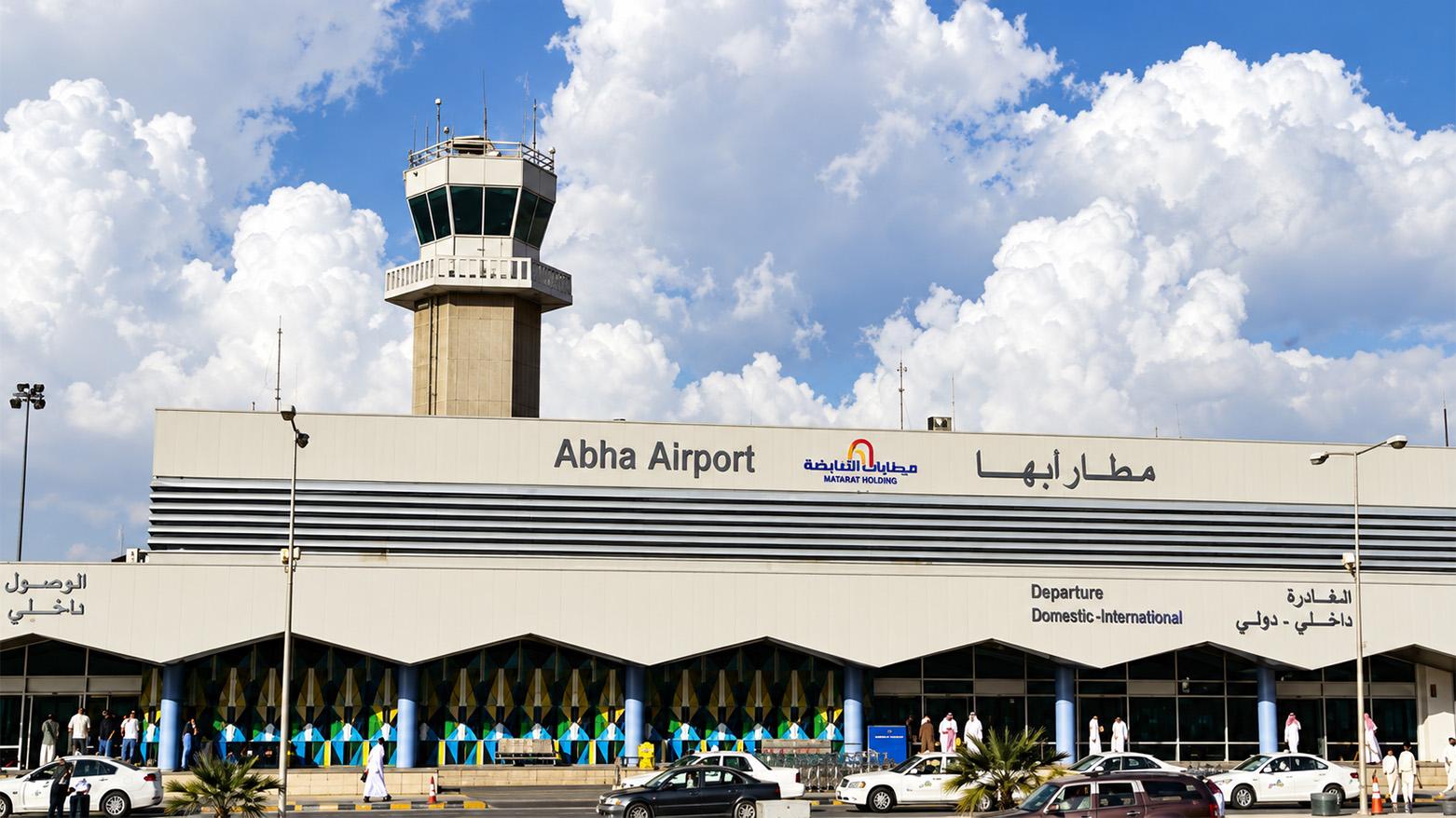
Saudi Arabia’s General Authority of Civil Aviation said attacks on Abha International Airport and King Khalid International Airport killed three people and injured 36 others, with the Abha attack killing two residents and injuring 28 and the King Khalid attack killing one resident and injuring eight. The Saudi aviation authority said the Abha attack killed a Moroccan and an Algerian and injured 28 people including two residents of Bangladeshi and Filipino nationalities, while it said the King Khalid attack killed a Sudanese resident and injured eight people including five Saudi citizens and residents of Egyptian and Pakistani nationalities. The BBC reported that Saudi authorities said the attacks happened on Tuesday and Wednesday, with one attack occurring on Wednesday and the other on Tuesday, and it said the Houthi movement claimed responsibility for targeting the two airports.
The CNN account said the US Mission in Saudi Arabia issued a security alert warning that “The Houthis have engaged in hostilities against Saudi Arabia, including against civilian airports, and the military conflict has the potential to escalate,” as the attacks prompted heightened concern for air travel. The CNN account also quoted the US Mission warning Americans that “US citizens should be aware of potential flight cancellations, airspace closures, and travel disruptions.”

Claims, interceptions, and condemnation
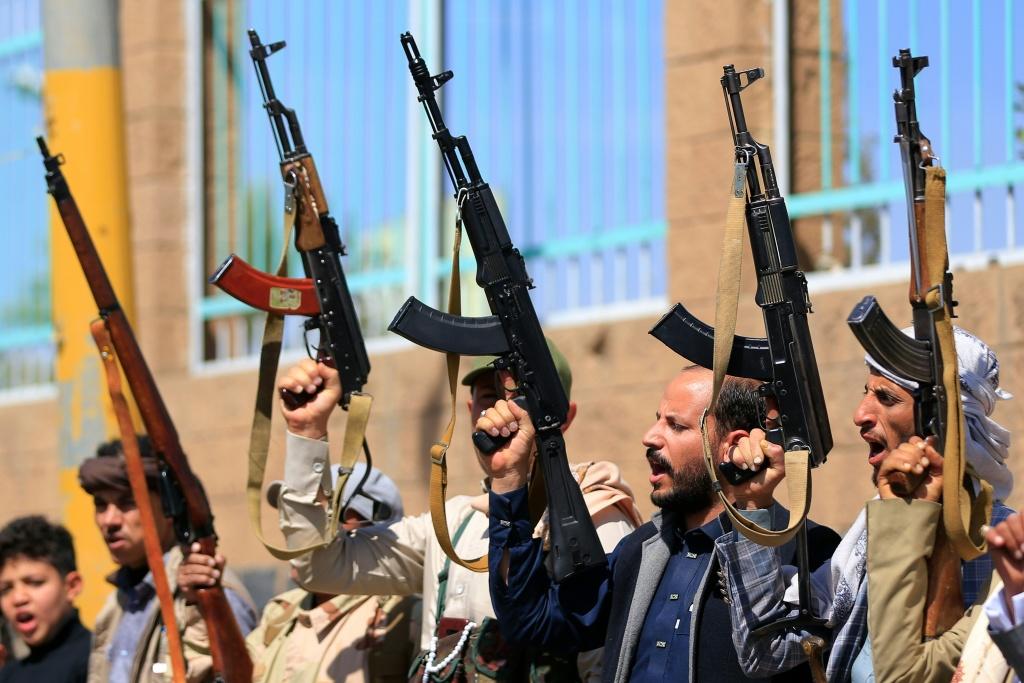
Major-General Turki al-Maliki said Saudi forces intercepted a ballistic missile north of Riyadh and destroyed a platform in Yemen’s capital, Sanaa, that had been used to launch attacks on the Saudi capital. The BBC said Lieutenant General Turki al-Malik, the coalition spokesman, said the ballistic missile was intercepted and destroyed north of Riyadh and that it was launched by the “terrorist Houthi militia,” adding that the coalition tracks the launch site with its intelligence system in Sanaa. Yahya Saree said the Houthis targeted King Khalid Airport in Riyadh with “a number of unmanned aerial vehicles, which caused a disruption to airport traffic,” and the BBC reported that Flight Radar 24 noted temporary and repeated airspace closures around the airport.
Gulf Cooperation Council Secretary-General Jassim Mohammed al-Budaiwi condemned the Houthi attacks on Saudi Arabia’s Abha and King Khalid airports as “systematic crimes” targeting civilians. Al-Budaiwi said targeting civilian airports and “endangering the lives of travellers, workers and civilians represents a dangerous escalation and a flagrant violation of international laws and norms” as he said the GCC countries stood united with Saudi Arabia.
Wider conflict and next steps
The attacks on Saudi airports unfolded as Yemen’s Houthis and Saudi-backed forces fought in areas around the Bab el-Mandeb Strait, and the News Pakistan account said the number of people displaced since the latest round of fighting began had risen to more than 200,000, according to the International Organisation for Migration (IOM). IOM Director General Amy Pope said, “People are running for their lives and finding nowhere safe to go,” and she called for more funding amid rising needs for food and shelter. The CNN account said the conflict flared up in July 2026 after the US-Iran ceasefire unraveled, with Houthi missile attacks on Saudi oil facilities and tankers, and it said Riyadh responded with airstrikes in support of Yemeni government forces.
The France 24 account said Turkey would send defensive and technical support to Saudi Arabia after Ankara and Islamabad pledged to honor the Mecca Agreement on joint defense, and it said the support was intended to help Saudi Arabia fight the Iran-aligned Houthi group. The France 24 account also said Iran’s Mohammad Reza Naqdi told Tasnim News Agency that “The Strait of Hormuz is closed, and controlled by the armed forces of the Islamic Republic of Iran,” and it said the situation would continue until Iran’s demands were met.