Full story
Houthis hit Saudi tankers
Yemen’s Iran-aligned Houthis claimed an attack on two Saudi oil tankers transiting through the Red Sea, saying they “targeted two Saudi oil tankers, named ENCELA and LAYLIA, for their violation of the blockade decision issued by the armed forces,” according to Houthi military spokesperson Yahya Saree.
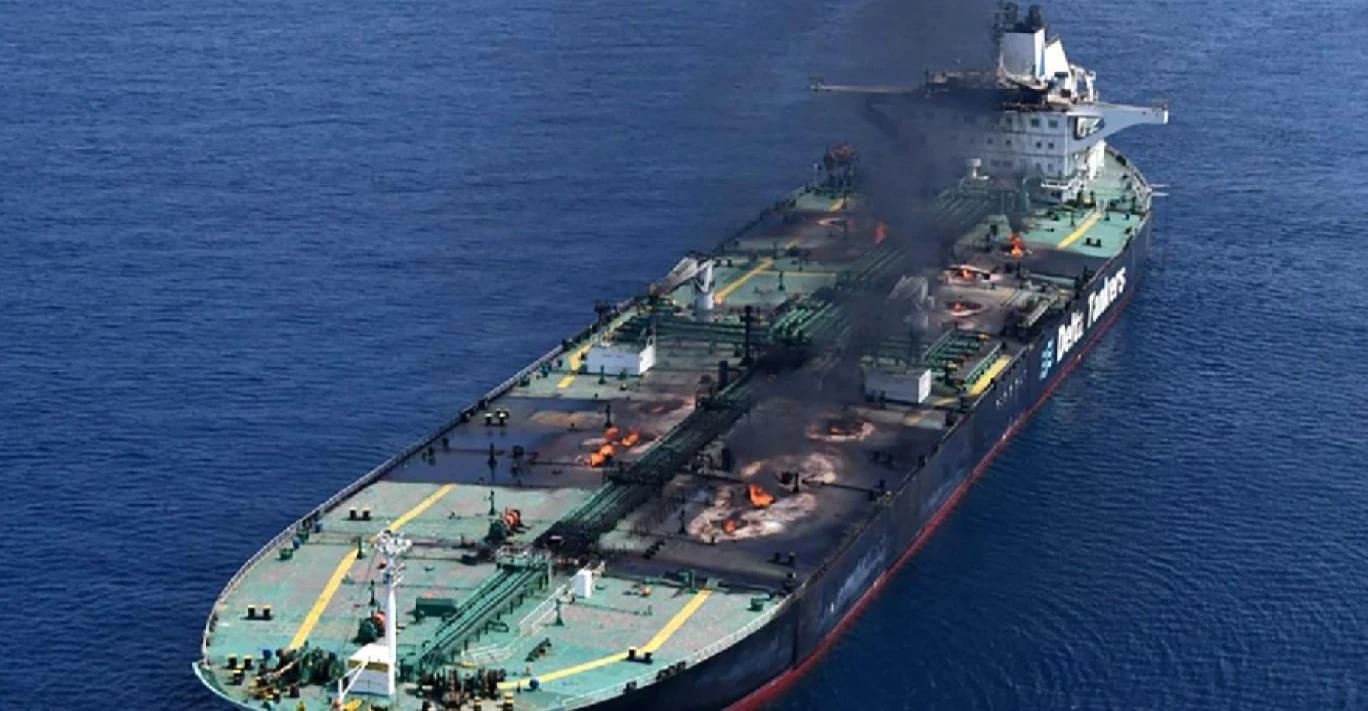
Saree said the attacks were carried out “using a number of ballistic and cruise missiles, as well as drones”, and led to fires on the ships, while the United Kingdom Maritime Trade Operations (UKMTO) centre said it had received reports that a tanker has been struck.
UKMTO said “The master of a tanker reports being struck by an unknown projectile which has caused a fire onboard that the crew are currently fighting,” and the Houthis, officially known as Ansar Allah, had imposed a maritime blockade on Saudi Arabia on July 20.
The Al Jazeera report also tied the blockade to a wider cycle of violence, saying it followed the Yemeni government bombed the Houthi-controlled Sanaa airport to stop an Iranian plane from landing, and that the Houthis described their maritime embargo as “based on the equation of ‘an eye for an eye’.”
U-turns and reroutes
After the Houthis announced a “maritime embargo” against Saudi Arabia, tankers made sharp U-turns close to Yemen, with ship-tracking data showing at least seven oil tankers changing course.
The BBC reported that “At least seven oil tankers have made U-turns close to Yemen since the Iran-linked Houthi group announced a "maritime embargo" against Saudi Arabia on Monday,” and said all of the ships were travelling either to or from Saudi ports.

BBC Verify quoted Rosemary Kelanic saying any Houthi attacks in the Red Sea or Gulf of Aden “will suppress all international traffic not just Saudi-bound vessels,” as the Houthis told shipowners in an email that “vessels are banned from loading or discharging cargo at any Saudi ports”.
The AP described the declared blockade as having the potential to widen the Iran war and disrupt trade, saying the rebels say they have closed the Bab el-Mandeb Strait to Saudi-linked shipping in retaliation for the kingdom’s blockade on Yemen and a recent attack on the international airport in Sanaa.
AP also reported that three Houthi officials told it the group had planned for months how to disrupt shipping in the strait, including the use of naval mines, explosive-laden boats, drones and helicopters to allow fighters to board ships.
Trade chokepoint at risk
The threat of Houthi enforcement has raised fears of further economic disruption by putting another trade chokepoint at risk, with the BBC noting that nearly 15% of global sea trade moves through the Red Sea and that it connects through two choke points including the Bab al-Mandab Strait.
The AP said Bab el-Mandeb is a vital shipping chokepoint connecting the Red Sea to the Gulf of Aden, and reported that around 12% of the world’s trade passes through the narrows, including a fourth of global container traffic.
The Guardian reported that the Houthis warned shipping companies that their tankers risk being attacked if they use Saudi Arabian ports, and said three oil tankers that had loaded Saudi crude for China and India made U-turns on Tuesday away from Houthi-controlled coast.
In the same Guardian account, Donald Trump said, “So far, it hasn’t happened,” and added, “I think that if there is something like that, we’ll just have to take care of business,” while the Houthis’ warning email told companies they should not load or discharge cargo at Saudi Arabian ports and that such activity may result in being targeted “in any location” within its reach.
The Guardian also framed the stakes around the strait’s traffic, saying the channel is used by 7% of global maritime traffic, and quoted Allison Minor saying the Houthis’ intent to blockade Saudi ports implies that “any ship visiting Saudi ports and carrying Saudi oil would be in the crosshairs.”