Europe12 April, 20261 min read
Hungarians Vote to Potentially End Orbán’s 16-Year Rule Amid Tight Race
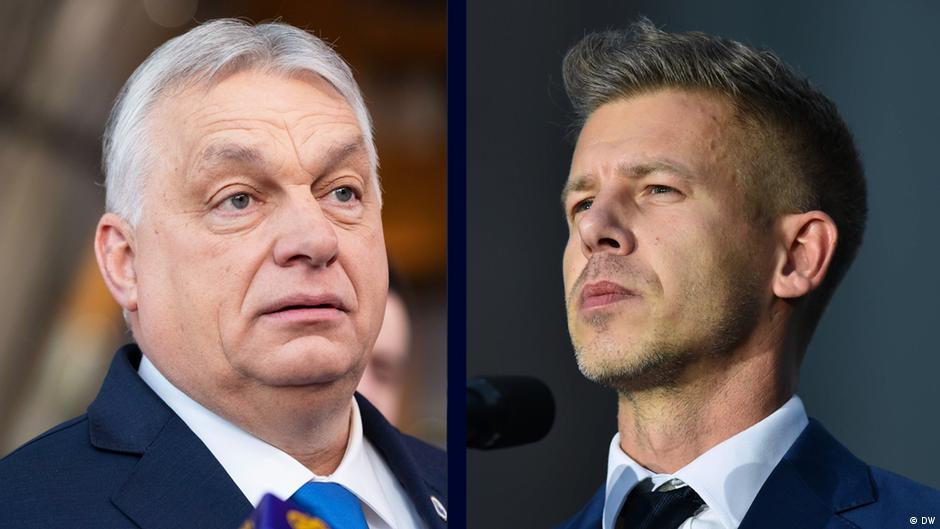
Orban faces his toughest election challenge in 16 years. Polls show Orban trailing Péter Magyar’s Tisza party.
Historic Vote
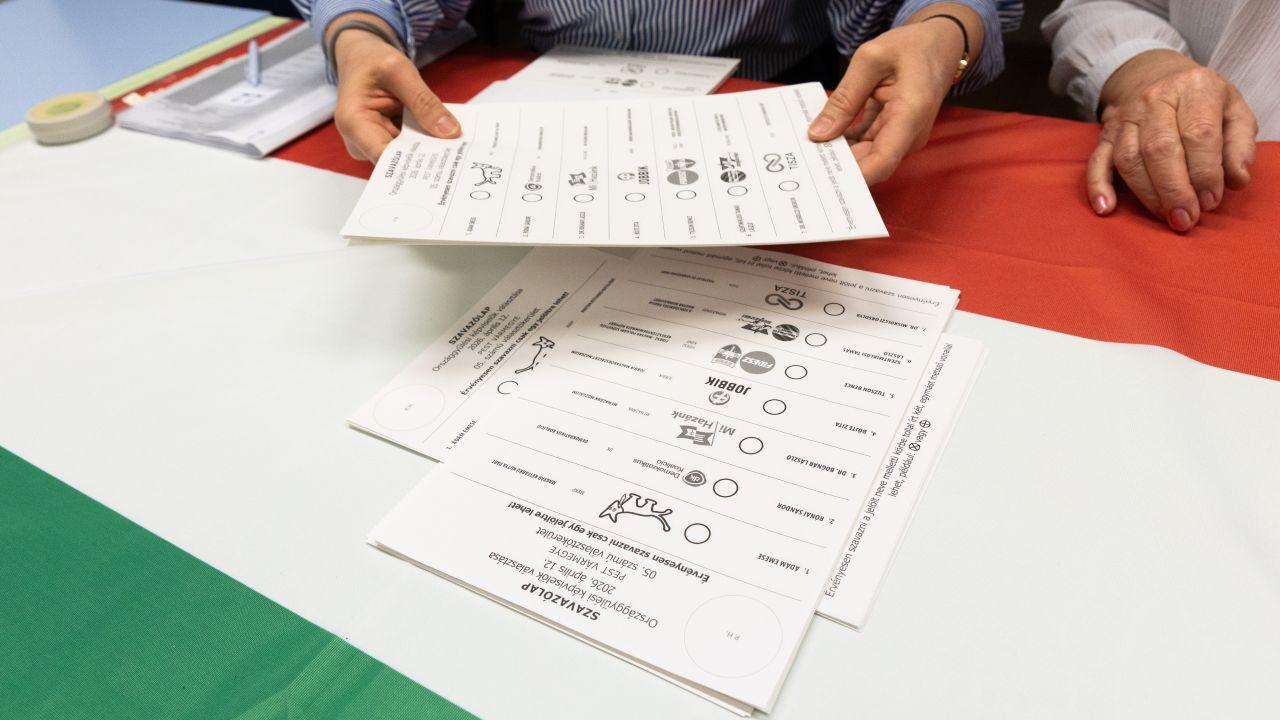
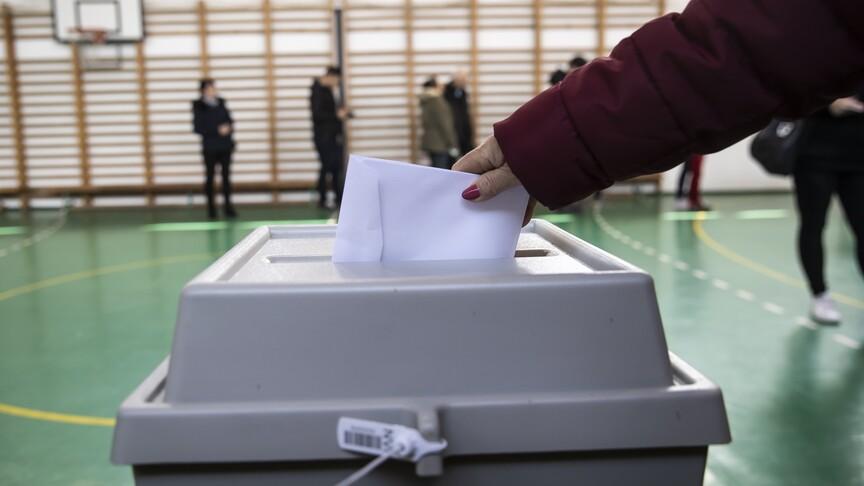
Hungary held a landmark parliamentary election that could end Orbán's 16-year hold on power. More than 8 million eligible voters cast ballots for the 199-seat National Assembly. Opinion polls showed Orbán's Fidesz trailing Magyar's Tisza party by 7 to 9 percentage points.
The vote was closely watched in Brussels and Washington. The election carried significant foreign policy stakes related to Ukraine.

Opposition Surge
Péter Magyar burst onto the scene just two years ago. His Tisza party campaigned on anti-corruption and pro-EU policies.
The opposition's momentum was fueled by widespread public discontent. Magyar's lead held despite government attempts to ban Pride events.
Foreign Influence
The election was marked by unprecedented levels of foreign interference. Moscow was accused of orchestrating a strategy dubbed the Gamechanger. US Vice President JD Vance visited Budapest to rally with Orbán.
Trump endorsed Orbán on his Truth Social platform. The appointment of Putin's former interpreter to the OSCE observer team sparked controversy.
Economic and Social Issues
Economic management was at the center of the campaign. Orbán scrapped income tax for the youngest workers.
Many young Hungarians were eager for change. The opposition promised to tackle corruption and restore rule-of-law standards.

Legacy and Consequences
The election carried profound implications for Hungary's future direction. A Tisza victory could allow constitutional amendments. The vote had regional consequences for Ukraine and Russia.
Analysts warned a Tisza win would not guarantee smooth governance. The election was seen as a referendum on European values.