Sudan12 October, 20263 min read
IPC Warns Conflict And Drought Worsen Famine Risk Across Sudan’s Darfur And Kordofan
This article is an automated aggregation of coverage from news outlets. Our editorials offer in-depth analysis curated by the NewsCord team.
Famine risk rising in many parts of Darfur and Kordofan due to conflict El Niño-induced drought affecting roughly half of Sudan worsens food availability and livelihoods
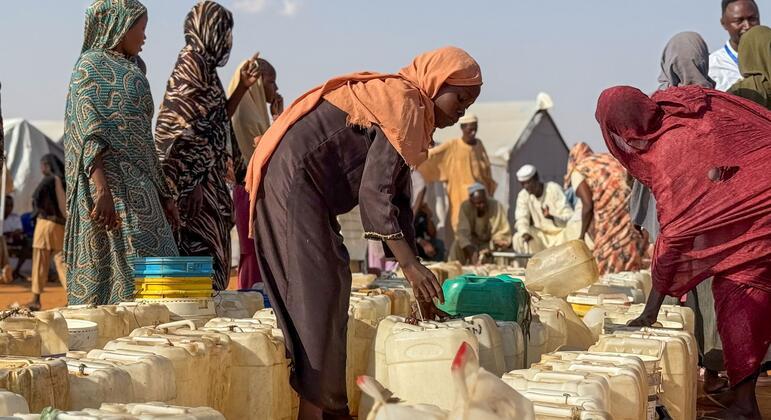
IPC warns of famine risk
The Integrated Food Security Phase Classification (IPC) warned that conflict and drought are increasing the risk of famine across Sudan’s Darfur and Kordofan regions, saying an “El Nino-induced drought, affecting roughly half of the country, is compounding the impacts of conflict and displacement.” The IPC said “Healthcare is extremely limited, often entirely inaccessible, while clean water is becoming increasingly scarce,” leaving a poorly nourished population “highly vulnerable to disease and death.” The IPC reported that poor vegetation growth affects nearly two-thirds of cropland in North Darfur and about half in South Darfur, West Kordofan and South Kordofan, where severe water shortages and limited opportunity for agricultural recovery threaten livelihoods.
The IPC said nearly 19.5 million people, over 40% of the population, were facing high levels of acute food insecurity in May, and it added that 135,000 of them were in Phase 5. The IPC said two displacement camps in South Darfur recorded global acute malnutrition above famine thresholds, while it reported worsening acute malnutrition in Nyala where the proportion of children admitted for severe acute malnutrition doubled from approximately 5% to 11% between January and August.

Malnutrition thresholds and funding
The IPC said famine risk is growing in “many” conflict-affected areas of Sudan as severe El Nino-induced drought, displacement, and humanitarian funding shortages worsen food insecurity. The IPC reported that in two displacement camps in South Darfur, global acute malnutrition rates reached 38% and 30.8%, exceeding the 20% famine threshold for the weight-for-height measure. The IPC warned that “alarmingly, this is occurring alongside severe hunger and elevated mortality levels,” and it said severe drought compounded by ongoing fighting threatens agricultural production.
The IPC said Sudan's humanitarian response plan faces a 57% funding gap, and it called for immediate humanitarian access, especially in North and West Kordofan, and increased funding. The IPC warned that “Without this, catastrophic food insecurity, acute malnutrition, and excess mortality will likely intensify, placing countless lives at risk,” as it tied the deterioration to conflict and displacement across Greater Darfur and Greater Kordofan.

Humanitarian access and displacement
The IPC said the risk of famine is increasing in many conflict-affected areas of Sudan as deteriorating conditions driven by drought caused by the El Niño phenomenon are compounded by a growing gap in humanitarian response due to severe funding shortages, insecurity, and restricted access. The IPC said the share of children receiving nutrition services and admitted for treatment of severe acute malnutrition “has doubled in Nyala and quadrupled in Kas,” and it said acute food insecurity remains severe in North Darfur where delayed rainfall devastated agriculture. The IPC reported that more than 300,000 people have been displaced since October of last year in the Kordofan region, and it said intense fighting in North Kordofan pushed many farming communities to flee toward Al Obeid.
The IPC said the funding level for this year’s humanitarian response plan has not surpassed 50%, and it added that access restrictions remain in conflict-affected areas. The IPC warned that “Conflict, displacement, severe drought, and funding shortfalls are all driving up famine risk in parts of Darfur and Kordofan,” and it urged “a rapid and substantial increase in the volume of aid.”