Iran · 01 August, 2026 · 2 min read
IAEA Chief Rafael Grossi Says Inspectors Will Return To Inspect Iran’s Nuclear Sites
IAEA inspectors will return to inspect Iran's nuclear sites under the interim deal. Public release of MoU detailing inspections and sanctions.
Whether nuclear inspections are imminent or scheduled only later.
10 of 12 outlets skipped it: iraq’s West Qurna-2 suspended operations under force majeure..
Al Jazeera was read line by line by the Watchdog: 5.2. See the score →
37outlets compared
Same story, two versions
tap a side to read it in full
The Independent
“access to Iranian nuclear sites for inspections would only be addressed”Read the original ↗
Controls negotiating leverage and affects verification credibility.
Inspectors, but no rush
Iran’s interim deal with the United States to end the Middle East war is now moving into a phase where the International Atomic Energy Agency will return to inspect Iran’s nuclear sites, but the IAEA chief said the timing is “not essential.” CBS News reported that the IAEA head said inspectors will return “as agreed,” while also indicating there is “no rush” after from Washington and Tehran.
“Whether this happens today after tomorrow or in one week or in 10 days, it's important but not essential. This is going to happen.”
The dispute over inspections remains central to the negotiations, with Iran’s deputy foreign minister saying access to Iranian nuclear sites for inspections would only be addressed in the framework of a final agreement and after practical steps are taken to lift sanctions. In parallel, the IAEA’s Rafael Grossi told reporters that the agreement “explicitly” states nuclear activities “will be supervised by the IAEA,” and he said inspections are “going to happen” even if the date is still being discussed.

Gulf tour and Hormuz
As the nuclear-inspection dispute continues, US Secretary of State Marco Rubio began a Gulf tour to reassure allies, and France 24 reported that he told partners in Kuwait City that the United States would be “completely aligned” with them during negotiations with Tehran. France 24 also said Rubio insisted Washington was “not going to do anything that undermines the security of our allies,” while the initial US-Iran deal set out a 60-day negotiating process aimed at reaching a long-term agreement.
The Strait of Hormuz remains a flashpoint, with Trump posting that there are “NO TOLLS, NO INSURANCE COSTS, & NO OTHER CHARGES OF ANY KIND” being sought or received by Iran on ships traveling the strait. Iran’s position on the strait is reflected in its insistence on retaining control and charging what it calls maritime service fees, and France 24 reported that Iran has repeatedly said it intends to retain control over the strait, along with Oman, to charge those fees.
Defeat narrative and stakes
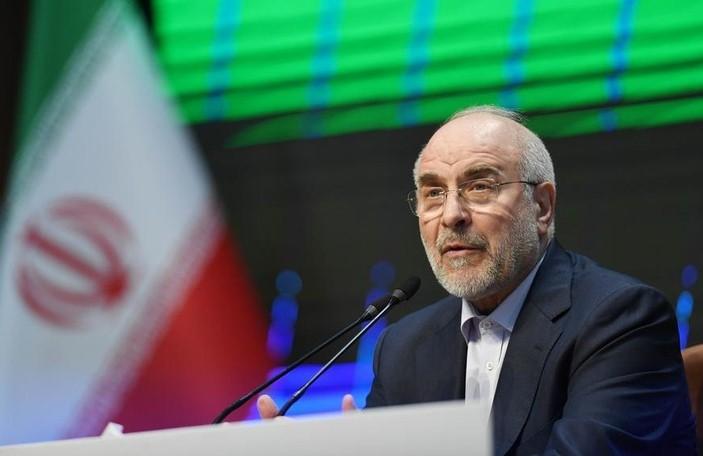
Iran’s top negotiator Mohammad Bagher Ghalibaf framed the interim agreement as a loss for Washington, telling a conference in Azerbaijan’s capital Baku that the Islamabad Memorandum of Understanding became “a declaration of America’s defeat.” The Independent reported that Ghalibaf said the initial agreement to stop the fighting and begin talks “was not the result of pressure and coercion, but rather the result of the resistance and authority of the brave Iranian nation.”T
The stakes of the next steps are tied to whether inspections and other contentious issues can be translated into a final accord, with CBS News noting that the IAEA will return to inspect Iran’s nuclear sites “as agreed,” while also emphasizing that timing is “not essential.” The same negotiations also hinge on financial and operational disagreements, with The Independent describing conflicting accounts on financial incentives for Iran and control of the Strait of Hormuz since the first round of talks in Switzerland on Monday.