Asiaupdated 27m ago2 min read
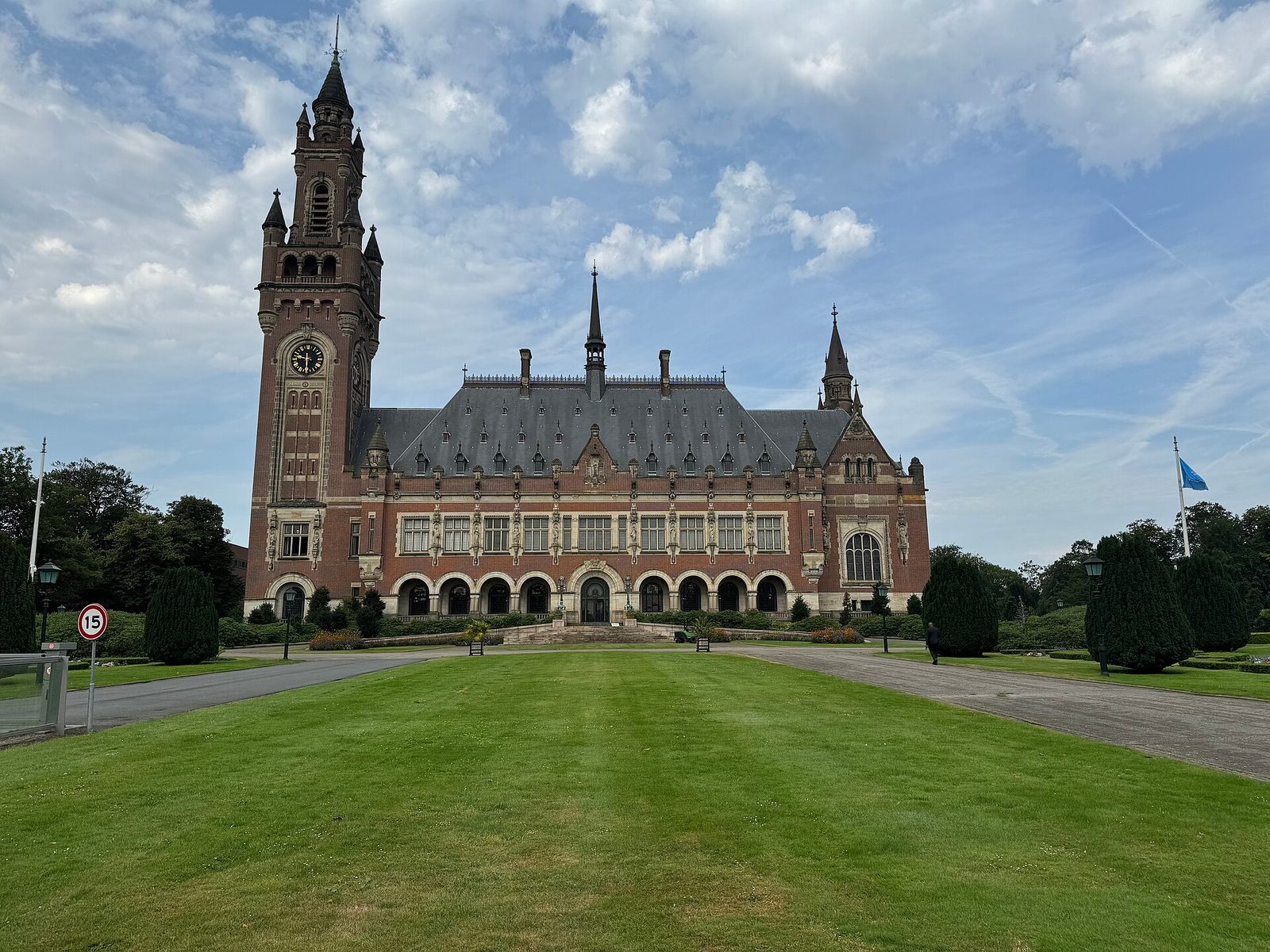
Archive photo · 13 August 2024ICJ Rules Myanmar Committed Genocide Against Rohingya in Northern Rakhine State
9 Western Mainstream4 West Asian3 Other1 Western AlternativePhoto: Cbliu, CC BY-SA 4.0 · Cropped for layout
This article is an automated aggregation of coverage from news outlets. Our editorials offer in-depth analysis curated by the NewsCord team.
The ICJ ruled Myanmar committed genocide against the Rohingya in the 2017 crackdown. The decision marks first genocide finding against a state by the International Court of Justice.
Save coverage image
17 outlets in this story. Read their headlines below.
Outlets did split on Phuket Patong Shophouse Fire Kills 11, Injures 16; Police Investigate Cause →
ICJ rules genocide
The International Court of Justice ruled on Thursday that Myanmar “has committed genocide against the Rohingya group in northern Rakhine state, in violation of its obligations under the Genocide Convention,” in a 9-6 decision. The court’s president, Yuji Iwasawa, said the evidence showed Myanmar forces killed at least 10,000 Rohingya people and that Myanmar’s security forces killed thousands of Rohingya civilians, perpetrated widespread acts of sexual violence, and attacked fleeing Rohingya as they sought to flee in large numbers to Bangladesh.
Myanmar now carries “the stain of being the first state to have been found to have violated the 1948 Genocide Convention.” Judge Yuji Iwasawa said, “The Republic of the Union of Myanmar has committed genocide against the Rohingya group in Northern Rakhine state,” as the court found a state culpable of genocide for the first time.
Reactions and arguments
The Special Advisory Council for Myanmar welcomed the judgement but said the decision must lead to concrete accountability measures and reparations for victims, and founding member Yanghee Lee called it a “deeply emotional day for all Rohingya people.” Wai Wai Nu, executive director of the Women’s Peace Network and a former political prisoner, said, “By finding that Myanmar committed genocide, ordering a guarantee of non-repetition, and ordering restitution and compensation, the world’s highest court has permanently shattered that state-sponsored lie.”
Myanmar said its crackdown was in response to attacks on police posts by fighters from the Arakan Rohingya Salvation Army (ARSA), while the ICJ said the “only reasonable inference” from evidence of widespread atrocities was that Myanmar’s forces had the intent to destroy a “substantial part” of the Rohingya minority. Toby Cadman, an international human rights lawyer, said, “The court is guided by the genocide convention and what the genocide convention states, and it is a high threshold,” as he described proving genocidal intent as the biggest challenge.
What happens next
The ICJ said Myanmar is now obliged to provide reparations and restitution “as a result of Myanmar’s wrongful acts,” and Yuji Iwasawa said appropriate restitution would include facilitating the safe and voluntary return of Rohingya and ensuring the population’s protection from persecution. The court also ordered Myanmar to provide “guarantees of non-repetition” and to enact legislation ensuring compliance with its international obligations, while Human Rights Watch said the ruling is “long-awaited recognition of the suffering the Rohingya have endured from Myanmar’s military.”
The ICJ’s rulings are final and binding but the court does not have the power to enforce its decisions, adding that its orders are sent to the UN Security Council, which could decide to implement the court’s ruling through a resolution. The State Department said in a statement that “The proper interpretation of the Genocide Convention is of paramount importance, as is preventing politicization of the ICJ,” and it said the department was studying the decision to “fully assess its implications.”