Crypto17 July, 20262 min read
Input Output Hands Cardano Core Infrastructure to Se7en Labs and Teragone Starting August
This article is an automated aggregation of coverage from news outlets. Our editorials offer in-depth analysis curated by the NewsCord team.
Input Output will transfer control of key Cardano components to external teams. Decentralization push aims to reduce reliance on the original development team.

Cardano hands off core
Cardano developer Input Output said it will begin handing control of key blockchain infrastructure to external specialist teams starting in August as part of a multi-year decentralization push. The handover covers the Haskell node, Plutus smart-contract platform, Daedalus wallet, Hydra scaling technology and developer relations, with Se7en Labs and Teragone taking responsibility for parts of the core infrastructure.
CoinDesk reported that the transition is scheduled to begin in August and continue into 2027, while Input Output described the move as the next phase of Cardano’s decentralization. CoinDesk also said the plan calls for independent teams to maintain at least three Cardano implementations written in Haskell, Rust and Go under community oversight and formal specifications.

Hoskinson frames the shift
In a statement, Input Output CEO and Cardano founder Charles Hoskinson said, "The last stage of the Voltaire era is full decentralization of node and reference blueprint development," as the company moves software development and maintenance beyond its own team. CoinDesk reported that the restructuring comes as Cardano grapples with weak network activity and a steep drop in its ADA token price, with Hoskinson framing the changes as necessary “growing pains” on the path to full decentralization.
CoinDesk said the announcement follows Cardano already moving protocol decisions and governance to its community, while Input Output said the next step is to spread responsibility for developing and maintaining the software. The CoinDesk report also said the plan will test whether independent teams can maintain the software without slowing development or creating coordination problems.
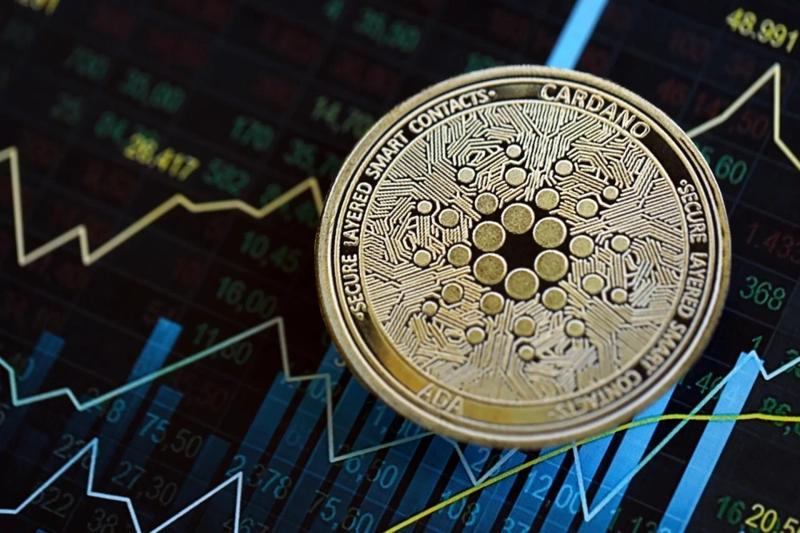
Ecosystem and market context
CoinDesk said the announcement comes as Cardano faces weak network activity, with just $70 million in TVL compared to rival chains like Tron and Solana that boast more than $4 billion respectively. CoinDesk reported that ADA was trading at about 16 cents Friday, almost 95% below its September 2021 record of $3.10, as Hoskinson acknowledged problems facing the network and said further setbacks would be part of its development.
In a separate market-focused report, Pluang said Cardano’s price fell 1.39% to $0.1628 as traders increased short positions ahead of the Van Rossem hard fork scheduled for July 18, 2026. Pluang also said Charles Hoskinson predicted significant growth for ADA over the next two years as the ecosystem extends beyond its core blockchain to include privacy, artificial intelligence, and decentralized finance (DeFi) applications.