Gaza Genocide22 October, 20253 min read
International Court Orders Israel to End Gaza Blockade and Allow UN Humanitarian Aid
The ICJ ruled Israel must allow and facilitate UN humanitarian aid deliveries to Gaza. Israel failed to provide evidence linking UNRWA staff to Hamas, invalidating its aid ban.
69 outlets told this the same way.
Outlets did split on Israel Marks Oct. 7 Anniversary With Strikes on Gaza, Netanyahu Faces Election After Nova Tribute →
ICJ Ruling on Gaza Blockade
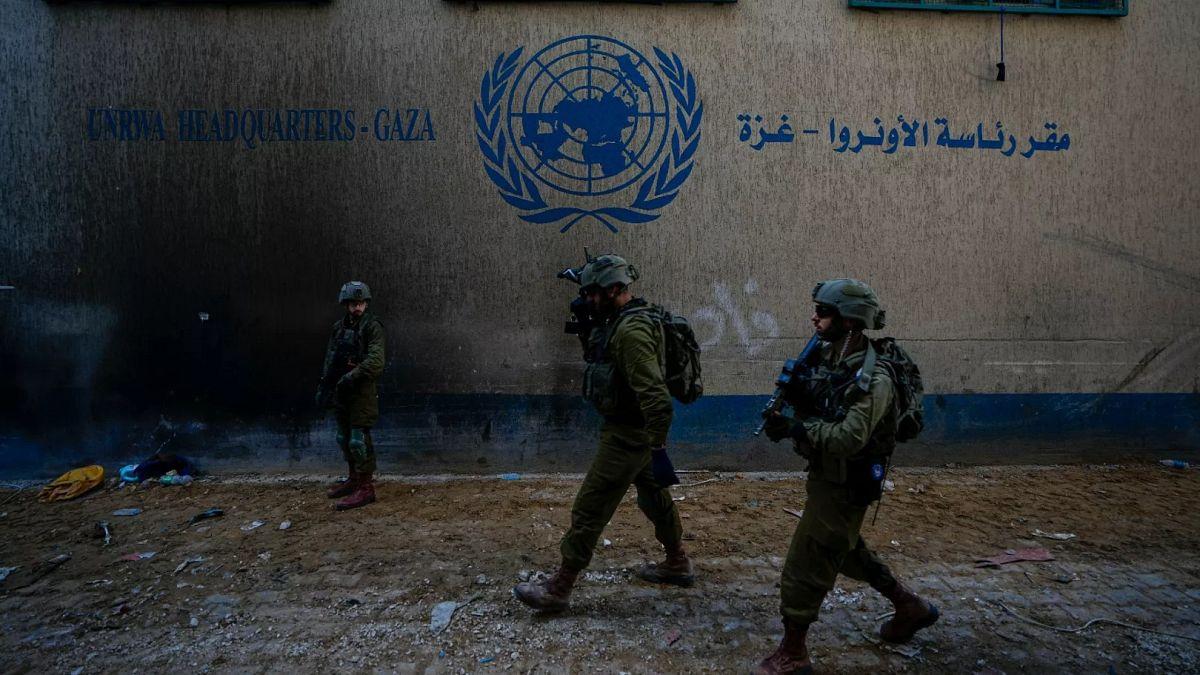
The International Court of Justice issued an advisory opinion ordering Israel, as the occupying power, to end the blockade practices that choke aid and to allow the United Nations and its agencies—especially UNRWA—to deliver food, water, medicine, fuel, and shelter to Palestinians in Gaza. The Court rejected Israel’s allegations that UNRWA is infiltrated by Hamas. It stated that Israel cannot use starvation as a method of warfare and said security claims cannot justify blocking humanitarian operations.
“The court found that Israel had not substantiated claims that UNRWA was infiltrated by Hamas and ruled that Israel, as the occupying power, has a duty not to use starvation as a method of warfare.”
The opinion carries significant legal and political weight even if non-binding. Multiple outlets report Israel has dismissed the ruling, attacking the Court’s impartiality and refusing to cooperate. The ruling also highlights that attempts to replace UNRWA with parallel channels, such as the Gaza Humanitarian Foundation, are inadequate and have worsened the catastrophe on the ground.
Humanitarian Crisis in Gaza
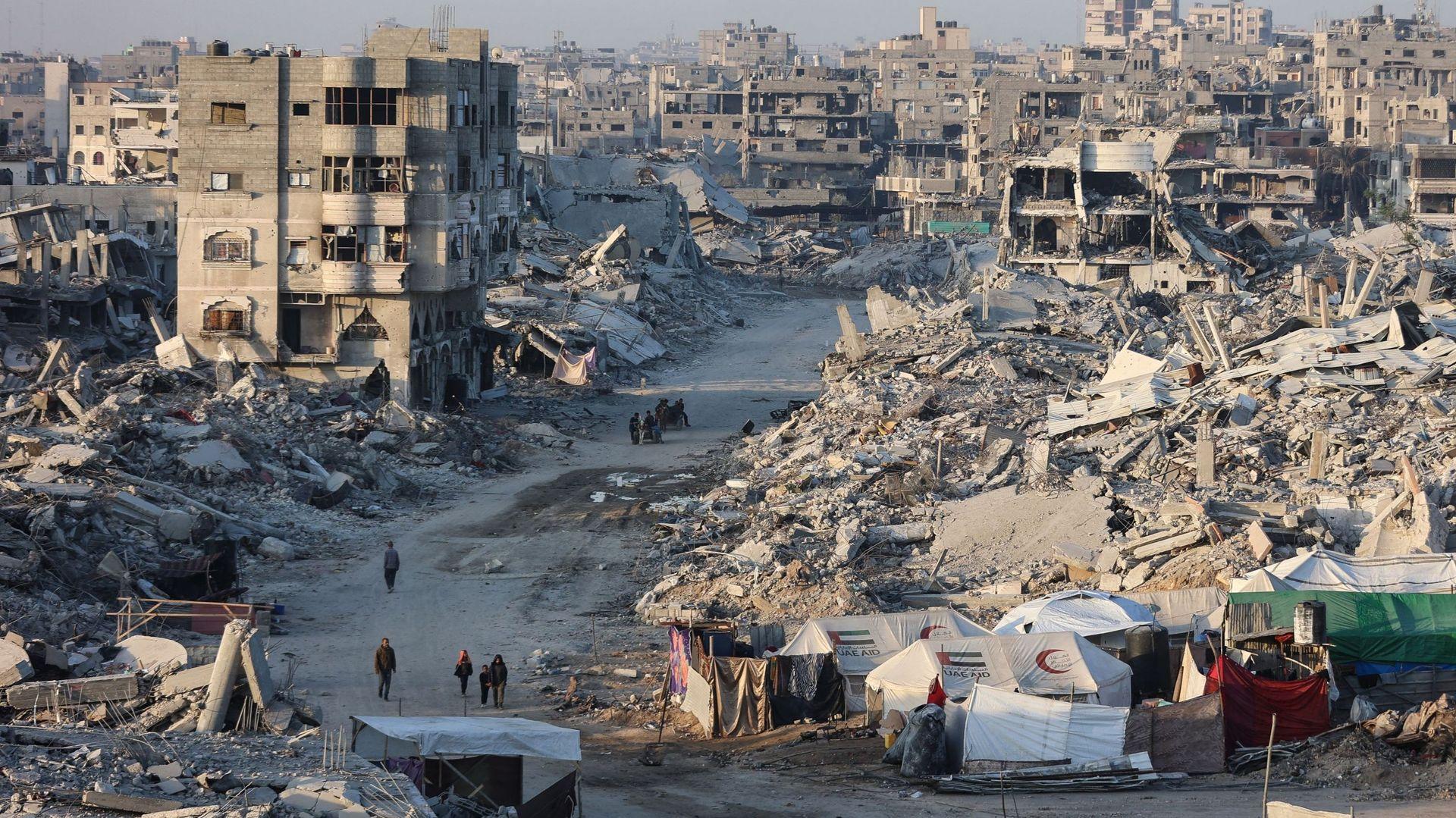
The humanitarian record presented to the Court is devastating. Israeli forces have created famine conditions by restricting aid. Western Mainstream reports over 2,100 Palestinians killed near aid distribution points.
West Asian and Israeli outlets count tens of thousands of Palestinians killed by Israeli attacks. Hospitals are gutted and supplies are scarce. Israel’s blockade and limits on crossings keep food out, even as prices soar.

Reports detail that Israel’s partial lifting of restrictions and alternative aid schemes failed to meet basic needs. These failures have sustained mass hunger and deadly chaos around aid lines.
Legal Context of Israel's Actions
The ICJ situates these orders within a broader legal context. It rejects Israel’s narrative about UNRWA and condemns starvation as a weapon. In separate opinions, the Court has declared Israel’s occupation unlawful while multiple investigators and courts examine genocide and war-crimes allegations against Israeli leaders.
“In July 2024, the ICJ ruled Israel's occupation of the West Bank and East Jerusalem illegal... The court also ordered Israel to halt its military operation in Rafah, citing a dire humanitarian crisis.”
Several sources report that an independent UN inquiry and experts concluded Israel committed genocide. The Court previously ordered Israel to halt military operations in Rafah.
Israel denies all of this, calling the process politicized and insisting it complies with international law. The opinion underscores that UNRWA cannot be replaced overnight and that security arguments do not excuse blocking aid.
UNRWA and Israel Aid Dispute
The opinion’s political fallout is immediate. Norway will push a UN General Assembly resolution demanding Israel lift aid restrictions. The UN Secretary‑General welcomed the opinion and urged compliance.
Several outlets report Israel tried to sideline UNRWA with a US‑backed private alternative called the Gaza Humanitarian Foundation. This occurred despite the International Court of Justice stating that UNRWA remains essential. A US official questioned UNRWA’s impartiality, but the Court rejected Israel’s claims and found no evidence of infiltration by the militant group Hamas.

An Israeli official told AL‑Monitor that Israel still works with other UN agencies. These accounts reveal a split between Western mainstream and alternative media coverage of international legal obligations and some Asian and other sources emphasizing Washington’s skepticism toward UNRWA.
Ceasefire Impact and Aid Blockade
Even after a fragile ceasefire, Israeli forces continued killing Palestinians and blocking meaningful relief. DIE ZEIT reports that at least 88 Palestinians were killed by Israeli fire during the ceasefire. The report also states that Israeli forces used lethal force against people seeking aid.
“The Palestinian Ministry of Health in Gaza reports at least 88 Palestinians killed by Israeli fire despite a ceasefire in place since October 10.”
Western mainstream outlets note that Israeli strikes continued despite the ceasefire. Other outlets document how Israel reduced aid deliveries to a fraction of the agreed levels. The Court’s findings and multiple sources directly attribute mass death to Israel’s starvation tactics and obstruction of UN relief.
Over 2,100 Palestinians died around aid sites during this period. Israel disputes the existence of famine, which West Asian and African outlets describe as the result of a deliberate policy.