Iran · 28 July, 2026 · 3 min read
Iran And Oman Exchange Proposals For Strait Of Hormuz Joint Regional Mechanism With Voluntary Fees
Oman proposed a joint regional mechanism to manage the Strait of Hormuz with voluntary fees. Iran would not have sole control over the Strait of Hormuz.
46 outlets, one story, no spin found.
3 of 4 outlets skipped it: BBC says a London conference may form an international coalition.
46outlets compared
Oman’s Hormuz proposal
Iran and Oman exchanged proposals on managing the Strait of Hormuz, with Oman presenting a plan for a joint regional mechanism that would use “voluntary fees,” Reuters reported on Tuesday.
“with “voluntary fees””
The Omani proposal, which reportedly has regional backing, would mean Iran “would not exercise sole control of the strait,” according to an unnamed Gulf source and a Western diplomat cited by Reuters.
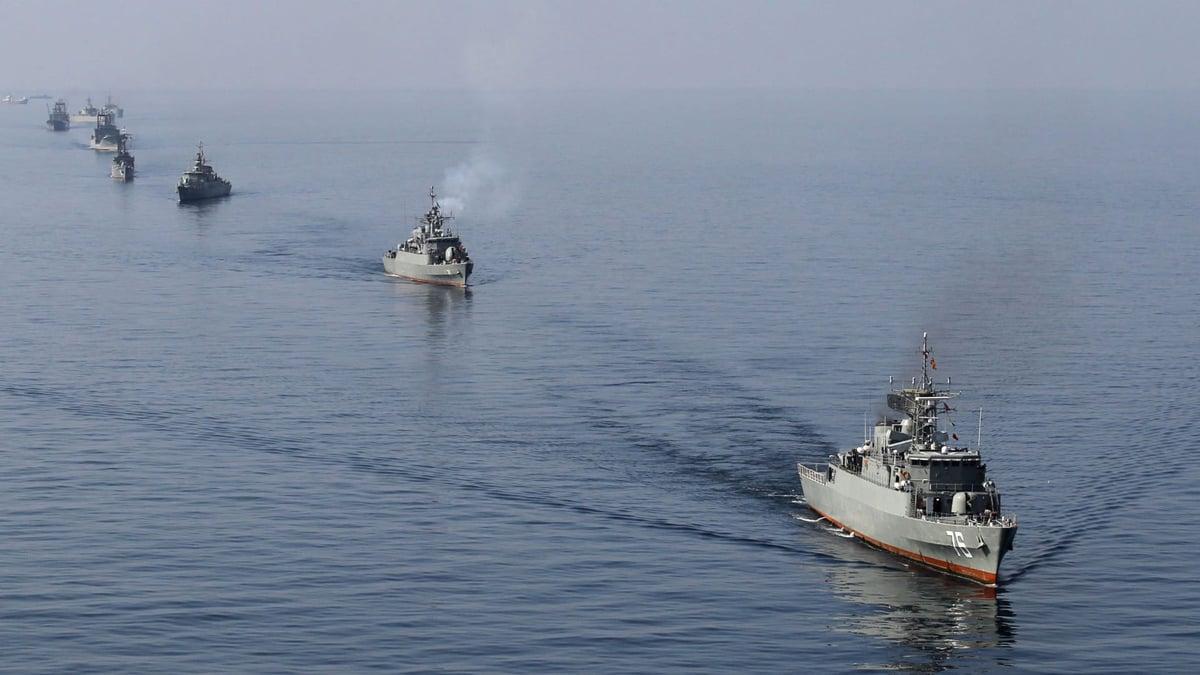
Iran said the strait cannot return to pre-war conditions where shipping flowed freely, and Deputy Foreign Minister for legal and international affairs Kazem Gharibabadi told Iranian state media that Tehran rejects an Omani proposal for an equal division of transit routes.
Gharibabadi said Tehran proposed to Oman that Iran would manage shipping through its side of the strait and Muscat would manage part but not all of the opposite lane, adding that Tehran has “no plans to negotiate with the US,” while talks are proceeding “step by step” with Oman.
The BBC also framed the issue as the flow of shipping traffic through the Strait of Hormuz, saying Reuters reported Oman’s plan would create a regional mechanism where vessels would “voluntarily pay a fee” and control would not be exclusively in Iran’s hands.
Talks, calls, and disputes
Iran’s Foreign Minister Abbas Araghchi discussed the Strait of Hormuz with his Omani counterpart on Monday, and the Iranian foreign ministry statement said the calls “emphasized the need to strengthen cooperation and advance joint diplomatic efforts to establish stability in the region.”
In the same Reuters-based reporting, Oman’s proposal was described as being based on the Strait of Malacca model, where Indonesia, Malaysia and Singapore ask ships to voluntarily contribute to navigation, environmental protection and search-and-rescue operations.
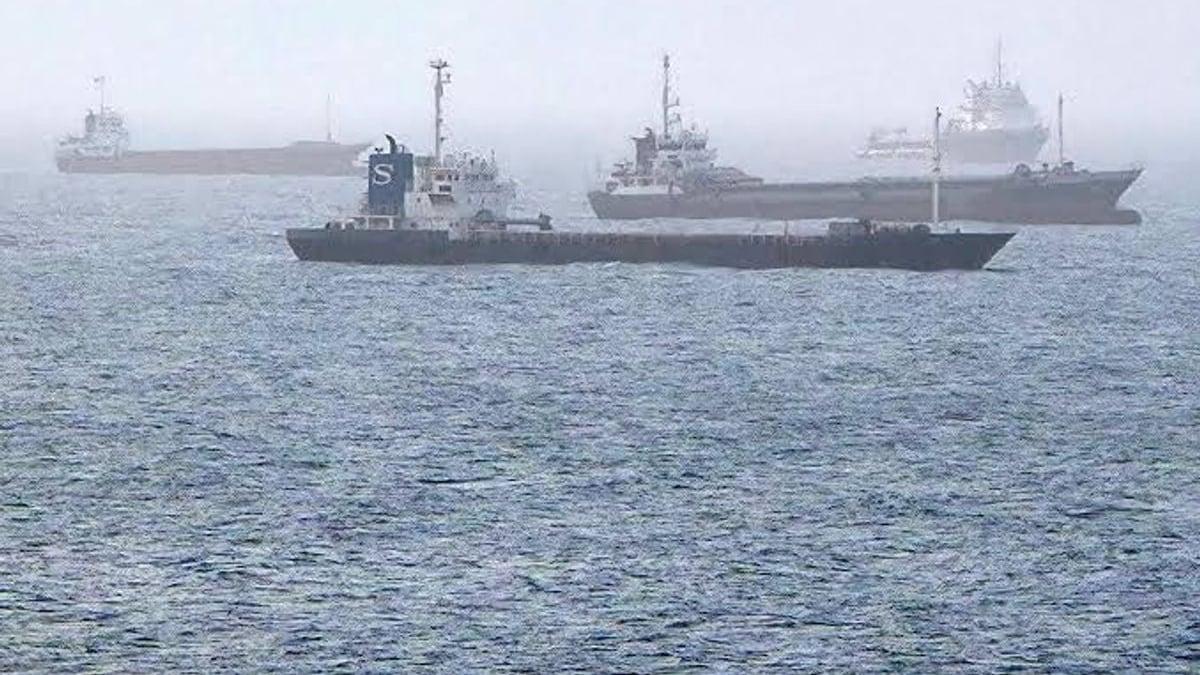
The BBC reported that Iran’s Deputy Foreign Minister Kazem Gharibabadi said it has been proposed to hold talks with Oman on a temporary route through the Strait of Hormuz, and that if agreed it would replace the northern and southern routes through the strait.
The BBC also quoted a Tasnim account of Gharibabadi’s position that “one corridor through the strait should be entirely under Iran's control, and a portion of the other corridor as well.”
Meanwhile, Anadolu Ajansı reported that Foreign Ministry spokesman Esmaeil Baqaei said several rounds of talks were held in Tehran on Friday and Saturday between Iranian and Omani deputy foreign ministers, describing the talks as “productive” and saying progress had been made.
What’s at stake next
The Strait of Hormuz has been central to heightened security tensions since the US and Israel launched a military campaign against Iran on Feb. 28, 2026, and the BBC said the main current issue is the flow of shipping traffic through the strait.
“The strait carried one-fifth of global energy supplies”
Al Jazeera reported that the United States suspended a nearly two-week-long campaign of air strikes against Iran after pressure from regional mediators to find a diplomatic solution and to return to a memorandum of understanding signed in June that would allow shipping to resume in the Strait of Hormuz.
Al Jazeera also said the strait carried one-fifth of global energy supplies before the February 28 start of the US-Israel war on Iran, while ARAB NEWS added that the proposal aims to allow shipping to resume after a deal last month partially reopened the strait but collapsed in early July.
The Jerusalem Post said mediators hoped a temporary agreement on shipping would cool tempers and lead to more advanced talks, but it also reported that Iran and Oman remained far from reaching an agreement on whether to charge transit fees.
In the BBC’s account of the diplomatic track, it said Britain and the United States plan to hold an upcoming conference in London to assess the situation in the Strait of Hormuz, with Pete Hegseth and Dan Kin set to attend, and that the aim could be an international coalition to ensure maritime security.