Iranupdated 1h ago3 min read
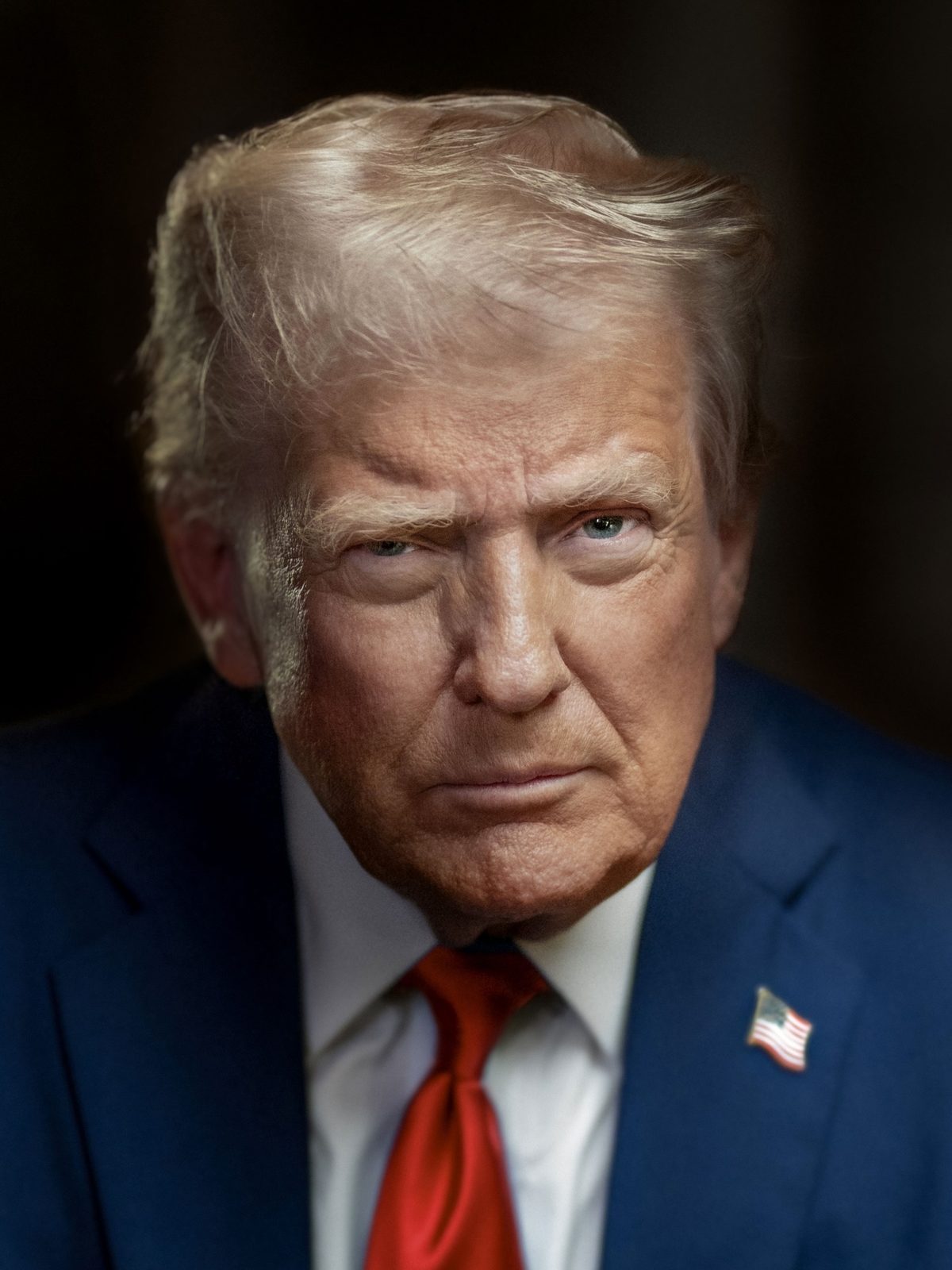
Archive photo · 2 June 2025Trump Could Restart War With Iran, U.S. Readiness Concerns Grow After Midterm Elections
“All of this raises questions about U.S. military readiness and capabilities if Trump chooses to return to war post-election.”
“the armed forces are fully prepared to respond to any hostile action.”
Photo: Daniel Torok / US federal government, Public domain · Cropped for layout
This article is an automated aggregation of coverage from news outlets. Our editorials offer in-depth analysis curated by the NewsCord team.
Growing signs Trump could restart war with Iran after the midterm elections U.S. military readiness is facing profound long-term concerns, limiting escalation options
Save coverage image
Tehran Times was read line by line by the Watchdog: 3.0. See the score →
Readiness vs a gamble
The U.S. military faces “profound” long-term readiness concerns as “growing signs” suggest U.S. President Donald Trump could restart the war with Iran following the U.S. midterm elections on Tuesday.
“‘The long-term readiness concerns are quite profound,’ Pettyjohn said.”
The war has cost U.S. taxpayers an estimated $47.1 billion so far and has left the United States military depleted, including estimates that it used up to 65 percent of its Patriot air-defense interceptors and 80 percent of its Terminal High Altitude Area Defense (THAAD) ballistic missile interceptors since the war began.
Stacie Pettyjohn said, “The long-term readiness concerns are quite profound,” and she linked them to “munitions stockpiles,” “deferred ship maintenance, and disrupted readiness cycles.”
Jonathan Panikoff said, “In the short term, the U.S. is likely quite ready to carry out the planned operations,” while Pettyjohn warned that restarting the war would be “a huge gamble.”
The U.S. has reportedly told Gulf allies to brace for a short but intense campaign targeting Iranian infrastructure and nuclear sites to strengthen Washington’s negotiation position.
Iran says it is ready
Major General Ali Abdollahi, Chief of Staff of the Iranian Armed Forces, presented a report on military readiness during a meeting of the Parliament’s National Security and Foreign Policy Commission, and Hassan Ghashghavi said the armed forces are “fully prepared to respond to any hostile action.” Ghashghavi said Abdollahi told the commission that recent directives issued by Iran’s Leader to the General Staff of the Armed Forces had been communicated to all commanders and military units. Araqchi told ICANA that no arrangements had been made for negotiations with the US during an Iranian delegation’s visit to Qatar, and he said consultations with Qatari mediators over a two-day proposal were still underway.
Araqchi said the directives issued by Ayatollah Seyed Mojtaba Hosseini Khamenei to senior military commanders “clearly demonstrated the Islamic Republic’s resolve,” and he reiterated that Iran remains simultaneously prepared for both defense and diplomacy. Tehran Times said Araghchi reaffirmed Iran’s readiness to pursue diplomacy while maintaining full defensive preparedness, saying the next step depends on the United States and whether Washington chooses a rational diplomatic approach.
Diplomacy talks and military directives
Araqchi said an Iranian delegation traveled to Doha to continue discussions with Qatari mediators, and he said the visit was not intended to involve direct negotiations with the United States. Consultations with Qatari mediators were continuing over a proposal to reopen the Strait of Hormuz within two days, with the US taking required steps on the first day and the waterway reopening on the second day. TABNAK said a meeting of the Leader with senior armed forces commanders issued orders emphasizing readiness for an immediate response to threats, strengthening military intelligence, developing indigenous defensive capabilities, and updating the target bank.
The published message emphasized updating the target bank so that all of the opponent’s physical and immaterial assets are accessible to the armed forces, and it described the target bank as “a collection of organized information about potential targets.” The U.S. offered mixed signals, including that the war could be over soon but that the U.S. still had to “take care” of one or two nuclear sites and would have to give Iran “the hammer” at some point.