
Iran Attacks Ships Through Strait of Hormuz, Prompting U.S. Strikes After July 6-7
Key Takeaways
- Iran attacked ships transiting the Strait of Hormuz.
- Iran warned oil tankers to use approved Hormuz routes or face forceful response.
- The Hormuz conflict affected energy markets and shipping, prompting international discussions.
Strait of Hormuz attacks
The Iran war context described by Encyclopedia Britannica centers on Iran repeatedly threatening and attacking ships passing through the Strait of Hormuz after a memorandum of understanding in June 2026 sought to end the Iran war.
Britannica says Iran hopes to coerce commercial vessels and the international community into following routes and protocols set by Iran that would allow it to control the strait and collect fees on ships passing through.

It adds that Iran’s activity in the strait provoked strikes by the United States, particularly after three ships were attacked on July 6–7.
Britannica also reports that on July 7, as the United States stepped up strikes against Iranian assets, U.S. Pres. Donald Trump said he considered the truce to be over, and the following day he said that the exchange of fire would not lead to long-term military action.
The same Britannica account says the confrontation followed Operation Epic Fury, the U.S. code name for its joint military operations with Israel against Iran that began on February 28, 2026, and concluded on May 5.
U.S. strikes and Iran response
Encyclopedia Britannica says that on February 28, 2026, U.S. and Israeli forces launched nearly 900 strikes in 12 hours targeting Iranian missiles, air defenses, military infrastructure, and leadership.
It reports that the initial wave of strikes killed Supreme Leader Ali Khamenei and dozens of other officials, but also killed about 170 people when a missile struck a girls’ school adjacent to a naval base in Minab, near Bandar Abbas.

In response to the attacks by the United States and Israel on February 28, 2026, Britannica says Iran launched retaliatory missile and drone strikes targeting U.S. embassies, military installations, and oil infrastructure, including vessels in the Strait of Hormuz.
The Folha de S.Paulo account frames the post-agreement escalation as a reversal of the June 17 memorandum of understanding, saying that less than a month after the agreement, attacks on three ships passing through the strait led Trump to revoke the waiver that allowed Iran to sell oil.
Folha de S.Paulo also quotes Vice President J. D. Vance saying, "If they shoot at ships, we will beat them," as it describes the return to oil sanctions and bombing missions.
Dead-end and political stakes
Richard N. Haass, quoted in both Encyclopedia Britannica’s broader conflict framing and in Folha de S.Paulo’s discussion of the failed preliminary accord, is described as warning that "We are in a kind of strategic dead end," while describing a dilemma in which "the more we attack, the more the Iranians attack the Gulf's oil and energy infrastructure."
Folha de S.Paulo says the memorandum of understanding was signed on June 17 and that the United States and Iran had agreed to negotiate in 60 days, but it adds that no agreement was scheduled, at least for now, on the larger, more complex deal.
It also reports that the June cease-fire agreement is vague on major questions, including whether Iran would, and it ties the political stakes to divisions highlighted during the funeral of Ayatollah Ali Khamenei.
In the same Folha de S.Paulo account, Trump is quoted saying in a call to a New York Times reporter three days before signing the memorandum of understanding on June 17 that "They are really proud of this," about Iranian negotiators.
The Encyclopedia Britannica account concludes that the danger of crossfire and threats from Iran in particular led to severe disruption of traffic through the Strait of Hormuz, one of the world’s most volatile oil chokepoints, with fuel shortages in parts of Asia and rippling effects across the global economy.
More on Iran
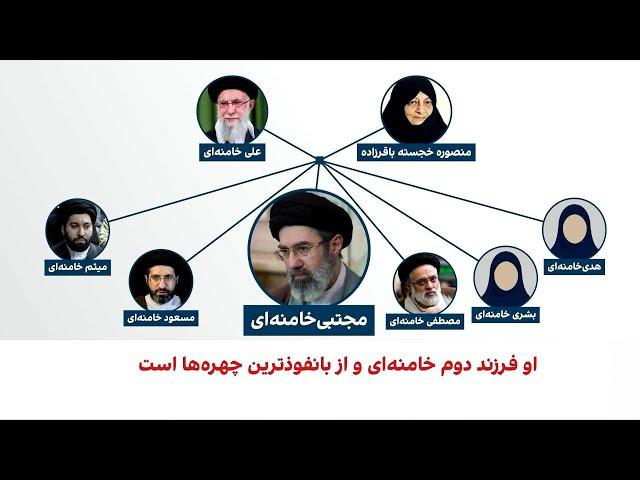
Mojtaba Khamenei Vows Revenge After Ali Khamenei’s Feb. 28 Killing
15 sources compared

Abbas Araghchi Meets Oman’s Badr Al-Busaidi In Muscat To Discuss Strait Of Hormuz Safe Passage
20 sources compared
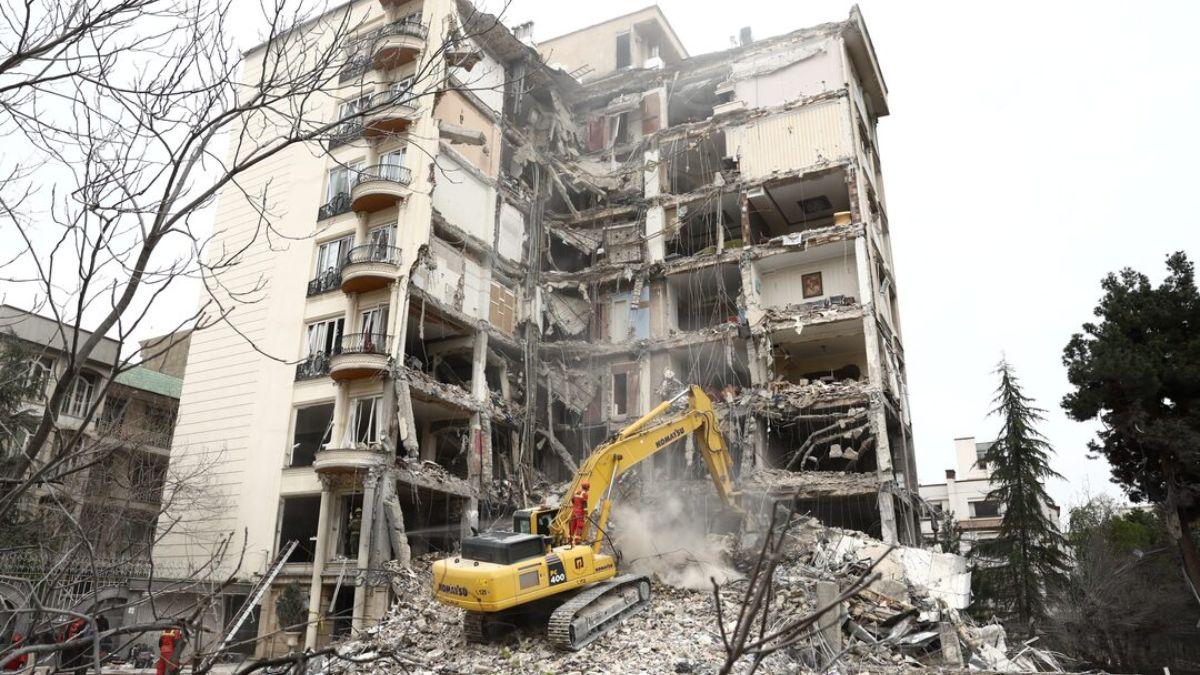
Donald Trump Threatens Iran With 1,000 Missiles If It Tries To Assassinate Him
33 sources compared
Iran Says Talks With U.S. Impossible Until Washington Retreats, Vows Revenge for Ali Khamenei Death
17 sources compared