Iran12 March, 20262 min read
Iran Attacks Two Oil Tankers in Iraq Territorial Waters, Forcing Iraq to Shut Oil Terminals
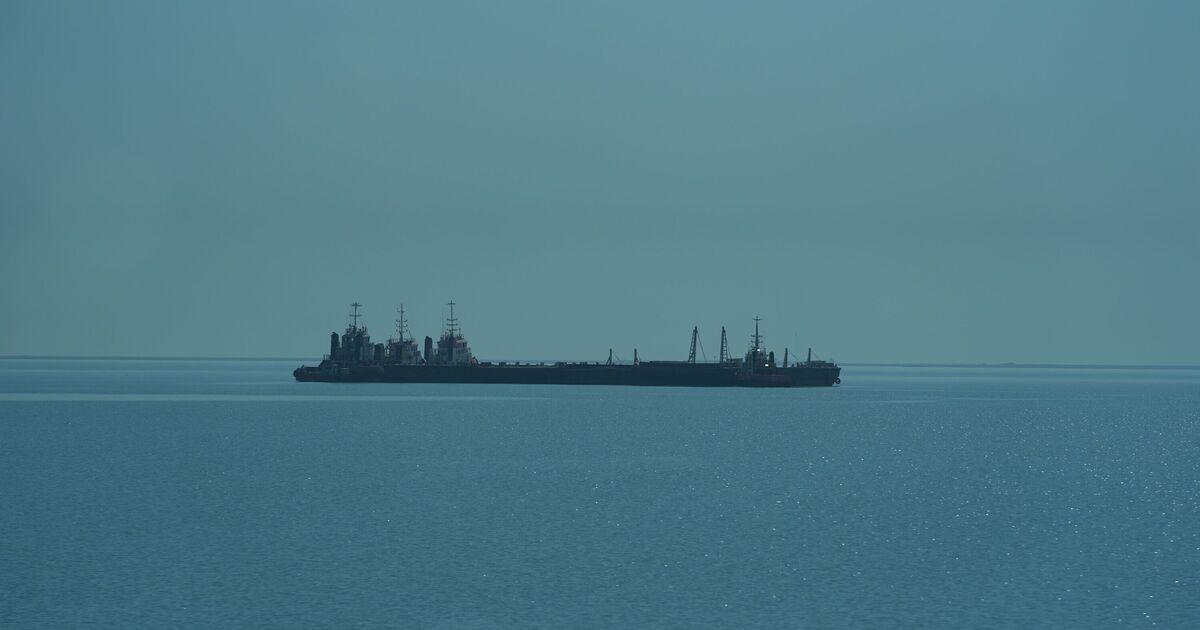
Two oil tankers were struck in Iraqi territorial waters. Iraq suspended operations at its oil export terminals after the attacks.

What happened
Early on March 11–12, two oil tankers operating in Iraqi territorial waters near the country’s southern export terminals were struck and set ablaze; Iranian authorities have claimed responsibility, saying underwater drones were used and that one of the vessels had been targeted after ignoring warnings.
“Iran has admitted to launching underwater drone attacks on two oil tankers, causing the suspension of operations at all Iraqi oil terminals.”
Multiple sources reported the strikes occurred near Basra/Al Faw and in a ship-to-ship transfer area, and Iraqi officials described the incident as sabotage that prompted an immediate halt to oil-terminal operations.

Casualties and ships
Iraqi authorities and port officials said one crew member was killed and 38 others were rescued, with search-and-rescue operations continuing; the vessels were identified as the Marshall Islands-flagged Safesea Vishnu (also referred to as Vishnu/Safesea Vishnu) and the Malta-flagged Zefyros, and both were carrying or transferring Iraqi oil products.
Reports described thick black smoke and fires spreading across decks and the surrounding water, and Iraqi and port officials noted the attacks took place while the tankers were in a sideloading or ship-to-ship transfer area.
Iraq's response
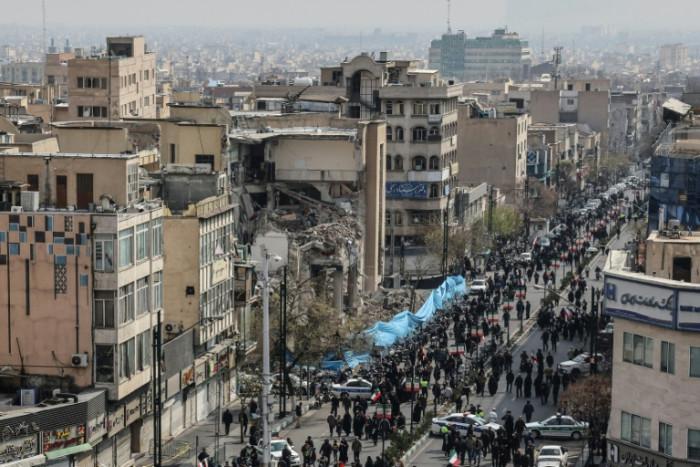
Iraq’s State Organization for Marketing of Oil (SOMO) and port authorities described the strikes as a violation of sovereignty and a form of sabotage; in response, Baghdad ordered the suspension of operations at all oil terminals while commercial ports were reported to remain open, and officials said they reserved the right to pursue legal measures.
“SOMO stated in its announcement: 'This incident has negatively impacted Iraq's security and economy and poses a threat to navigation safety and oil activities within Iraqi territorial waters.'”
Iraqi port managers and the security spokesman framed the incident as a major blow to maritime safety and national economic security.
Iran claims and method
Iran publicly claimed responsibility through state media and the Islamic Revolutionary Guard Corps, saying at least one targeted vessel had ignored warnings; Iranian statements and state outlets described the use of underwater or explosive-laden drones/boats.
Regional officials reported multiple related maritime and port attacks across the Gulf as Tehran stepped up strikes on energy infrastructure amid broader retaliation dynamics with the United States and Israel.
Market impact
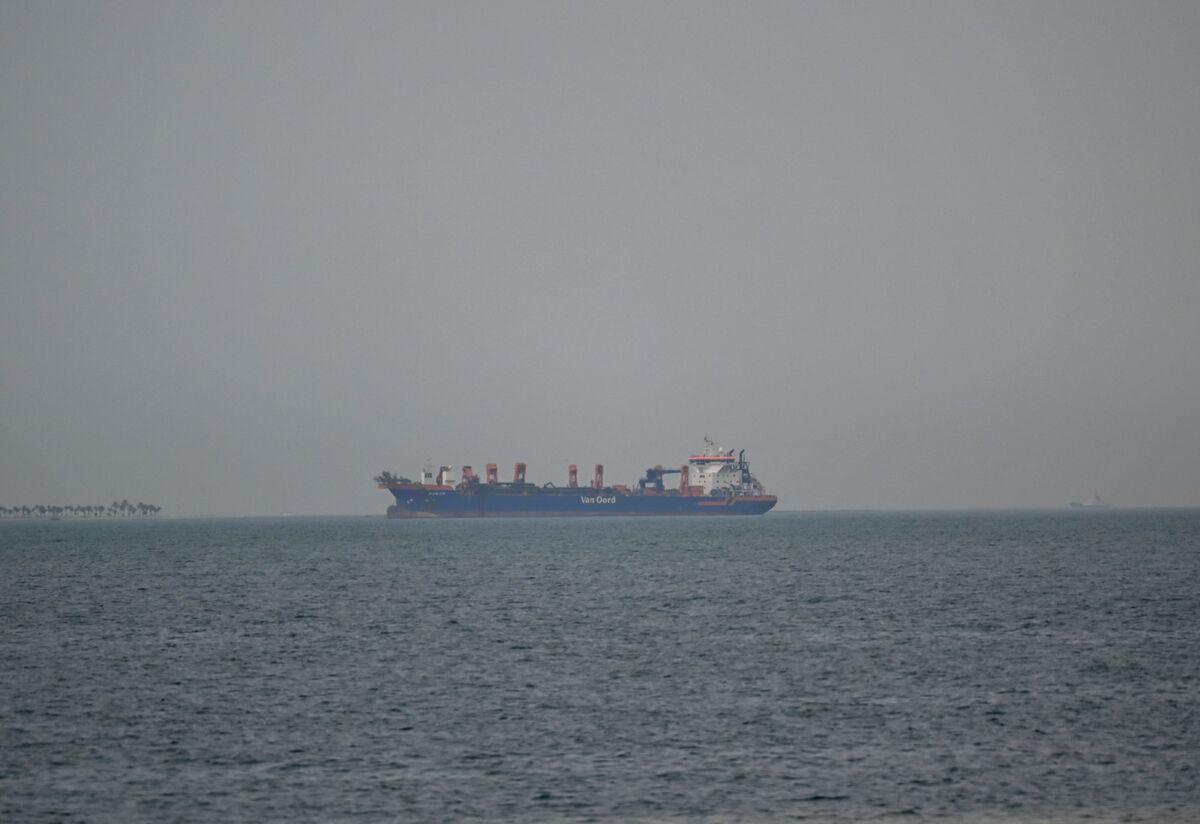
The attacks intensified fears of a wider disruption to global energy supplies: Brent and U.S. benchmarks jumped sharply—Brent rose back toward $100 a barrel—despite the International Energy Agency’s unprecedented coordinated release of 400 million barrels from strategic reserves.
“Brent crude prices continued to rebound toward $100 per barrel, underscoring the broader risks facing energy assets across the Middle East and overshadowing the International Energy Agency’s record oil release.”
Analysts warned the stockpile release could be overshadowed by ongoing maritime threats that have already reduced regional shipping and production and driven volatility in prices.