Iran24 August, 20262 min read
Esmail Baghaei Says Iran Will Not Allow Aggressor To Dictate War’s End Terms
Iran did not start the war and will not accept aggressor-dictated terms. Iran will defend sovereignty and reject appeasement toward aggressors.
19 outlets told this the same way.
Outlets did split on U.S. Expels Two Iranian UN Delegation Members From New York After Order To Leave →
Baghaei rejects US terms
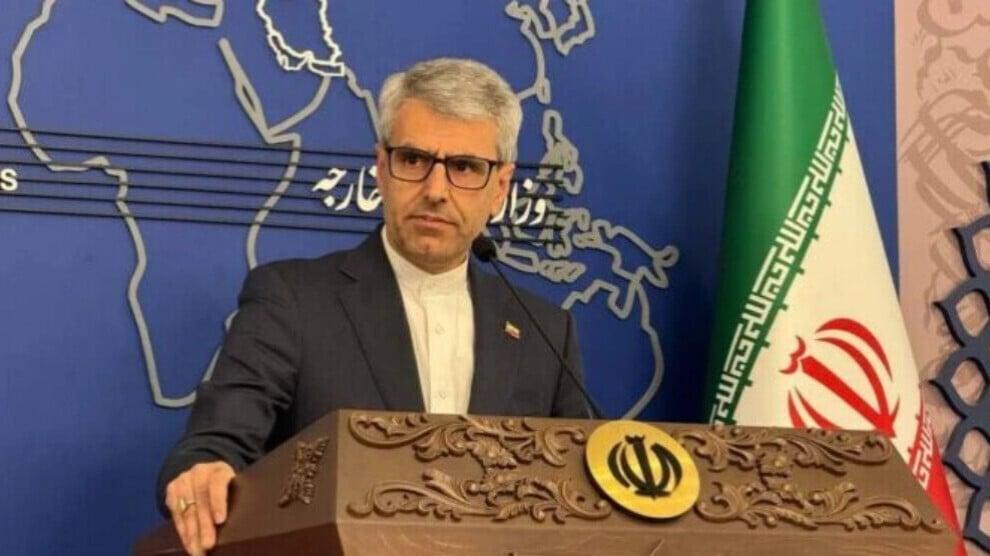
Iran’s Foreign Ministry spokesman Esmail Baghaei said Tehran will not allow the end of the war to be dictated by the “aggressor,” adding, “We certainly did not start the war, but we will not allow the end of the war to be dictated by the aggressor's terms.” Baghaei told reporters at a news conference that Iran’s position is tied to accountability for the parties he described as aggressors, emphasizing that “the aggressor parties must be held accountable for their actions.”
In the same remarks, Baghaei addressed regional countries about the use of their territories, saying there is “no reason for any country to be concerned, unless they have made their bases, facilities, and equipment available to the aggressor parties to commit an unlawful act.” He also reaffirmed that targeting the source of aggression is Iran’s “legitimate right under international law,” and said, “As we have demonstrated, we will show no hesitation in defending Iran’s existence.”
Hormuz talks and wider threats
Baghaei said Iran is preparing to discuss security in the Strait of Hormuz and maritime transit routes with Oman, and he framed the talks as important because both countries are coastal states in the region. He also said Iran views the presence of US aerial refuelling aircraft leaving Bulgaria as support for what Tehran considers US and Israeli military aggression, and he added, “It's our right to target the origin and source of any aggressive action against Iran.”
In a separate account, Wakālat - Success News reported Baghei warned that Iran would target US bases in European countries if those countries participate in what he described as an “aggression” against Iran. That report also quoted Baghei saying Iran has no justification for other states’ fear “unless they open the door for the United States to attack Iran,” while describing the naval blockade as “an act of aggression in itself.”

Sanctions, blockade, and consequences
Baghaei linked Iran’s stance to economic pressure, criticizing Washington’s sanctions policy and saying, “Washington's persistence in failed methods has no result other than proving America's hatred for the Iranian people.” He described sanctions and attempts to restrict Iran’s trade as violations of free trade and national sovereignty, and he warned countries against cooperating with what Tehran described as the US “siege” of Iran.
In another report, Deputy Chairman of the Iranian Parliament's Interior Affairs Committee Qasem Rowanbeikh told ISNA that the United States’ naval blockade of Iran is “more than a political decision; it is an inhumane act.” Rowanbeikh said Iran must “take a firm stance in the strategic Hormuz and Bab el-Mandab straits, and prevent the passage of oil, to increase pressure on the vital arteries of the American economy,” while Reuters coverage in the same source described finance ministers calling for taxes on oil company profits after the Hormuz Strait was closed.