
Iran · updated 2h ago · 3 min read
Iran-Backed Houthis Target Riyadh, Thick Black Smoke Rises Near International Airport
Iran-backed Houthis launched a major offensive along Yemen's Red Sea coast, seizing Mokha. Saudi-led coalition downed six ballistic missiles fired by Houthis targeting Saudi cities.
11 outlets told this the same way.
3 of 4 outlets skipped it: houthis target Saudi cities Taif and Yanbu with ballistic missiles.
11outlets compared
Oil routes and U.S. distance
A security alert in Riyadh delayed flights as green lights marked Saudi National Day, while “thick black smoke” rose near the international airport after Yemen’s Iran-backed Houthi militants targeted the city of Riyadh for the first time in years.
The American-Israeli war on Iran, which began on February 28, led to a partial closure of the Hormuz Strait, “effectively cutting off the kingdom’s and other Gulf states’ most important oil export route.”
Crown Prince Mohammed bin Salman personally requested U.S. military intervention, but a source familiar with CNN said the request was denied.
U.S. Secretary of State Marco Rubio suggested reconsidering that decision, and President Donald Trump clarified that his current red line is strikes against the Houthis, whom he says the United States is talking to.
Trump told reporters earlier this month, “The Houthis contacted us, and they don’t want to fight us,” and he added, referring to Saudi Arabia: “They’re unhappy with just one state… and we will settle this.”
Yemen offensive and humanitarian shock
The AP said Iranian Revolutionary Guard advisers helped Houthis seize Yemen’s Red Sea coast from pro-government forces in less than 48 hours, calling it Iran’s most direct intervention since Yemen’s civil war erupted in 2014.
The AP reported that the Houthis’ swift, 115-kilometer (75-mile) assault exploited divisions among forces allied with Yemen’s Saudi-backed, internationally recognized government, and it said the Houthis penetrated the internal communications of one of the main forces, the National Resistance.

The AP said the leader of the National Resistance fled to Saudi Arabia as the key port city of Mokha was abandoned as residents left in the night, allowing the Houthis to roll in unopposed on Sept. 10.
The Washington Post said the Houthi rebels mounted a “stunning offensive earlier this month along Yemen’s Red Sea coast that sent global oil markets reeling,” and it framed the fighting as engulfing Yemen after months largely on the sidelines in the U.S.-led war against Iran.
The Washington Post’s account tied the offensive to Iran’s wartime leverage, describing how the Houthis capitalized on the U.S.-led war with Iran as fighting engulfed Yemen.
Threats at Bab al-Mandab
The Houthis escalated threats across more than one front, vowing to target American interests in the region if Washington supports Saudi Arabia, and it described Bab al-Mandab as a “red line.” A Houthi official said, “We will target all United States interests in the region if you support Saudi Arabia,” and it added that the official said, “A red line for the United States and we will fight for it.” The official affirmed the group’s ties to Tehran, stating, “We are one alliance and one body with Iran.”
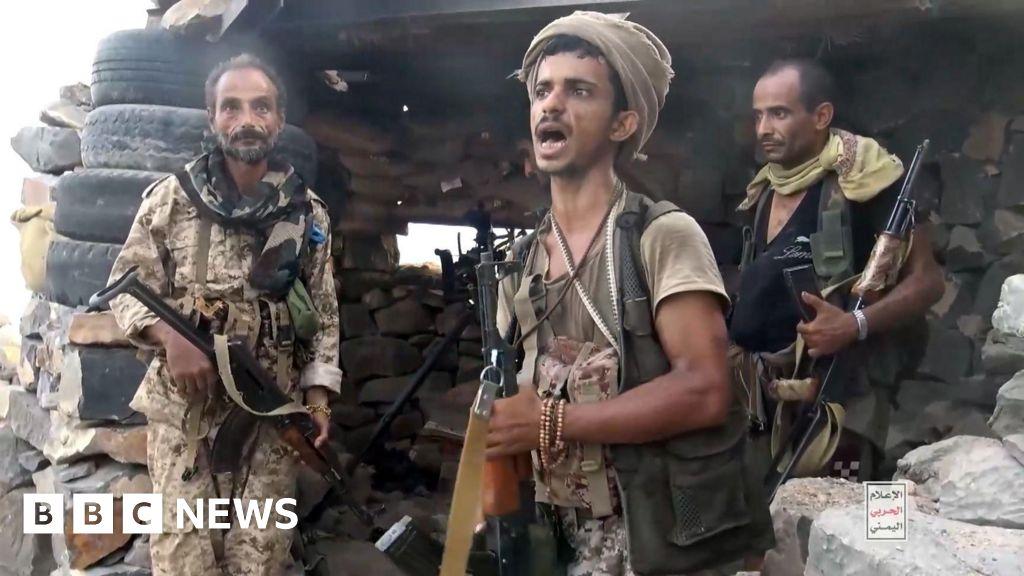
BBC described the Houthis as an armed political and religious group from northern Yemen, formally known as the Ansar Allah (Partisans of God), and it said the group emerged in the 1990s and takes its name from the movement’s late founder, Hussein al-Houthi. BBC said the Houthis declare themselves to be part of the Iranian-led “axis of resistance” against Israel, the US and the wider West, along with armed groups such as Hamas and Lebanon’s Hezbollah movement.