Full story
Iran blames foreign aggression
Iran blamed "foreign military aggression" for oil pollution washing up along the shores of Qeshm Island, with Deputy Foreign Minister Kazem Gharibabadi saying, "The oil pollution of the shores of Qeshm Island stems from the repercussions of foreign military aggression in the region."
“The oil pollution of the shores of Qeshm Island stems from the repercussions of foreign military aggression in the region”
Gharibabadi argued that the damage strengthens Tehran's case for a coastal management framework for the Strait of Hormuz, and Foreign Ministry spokesperson Esmaeil Baqaei asked, "Why must addressing the environmental condition of the Strait of Hormuz and its surrounding waters form an integral part of any future administration of the Strait?"

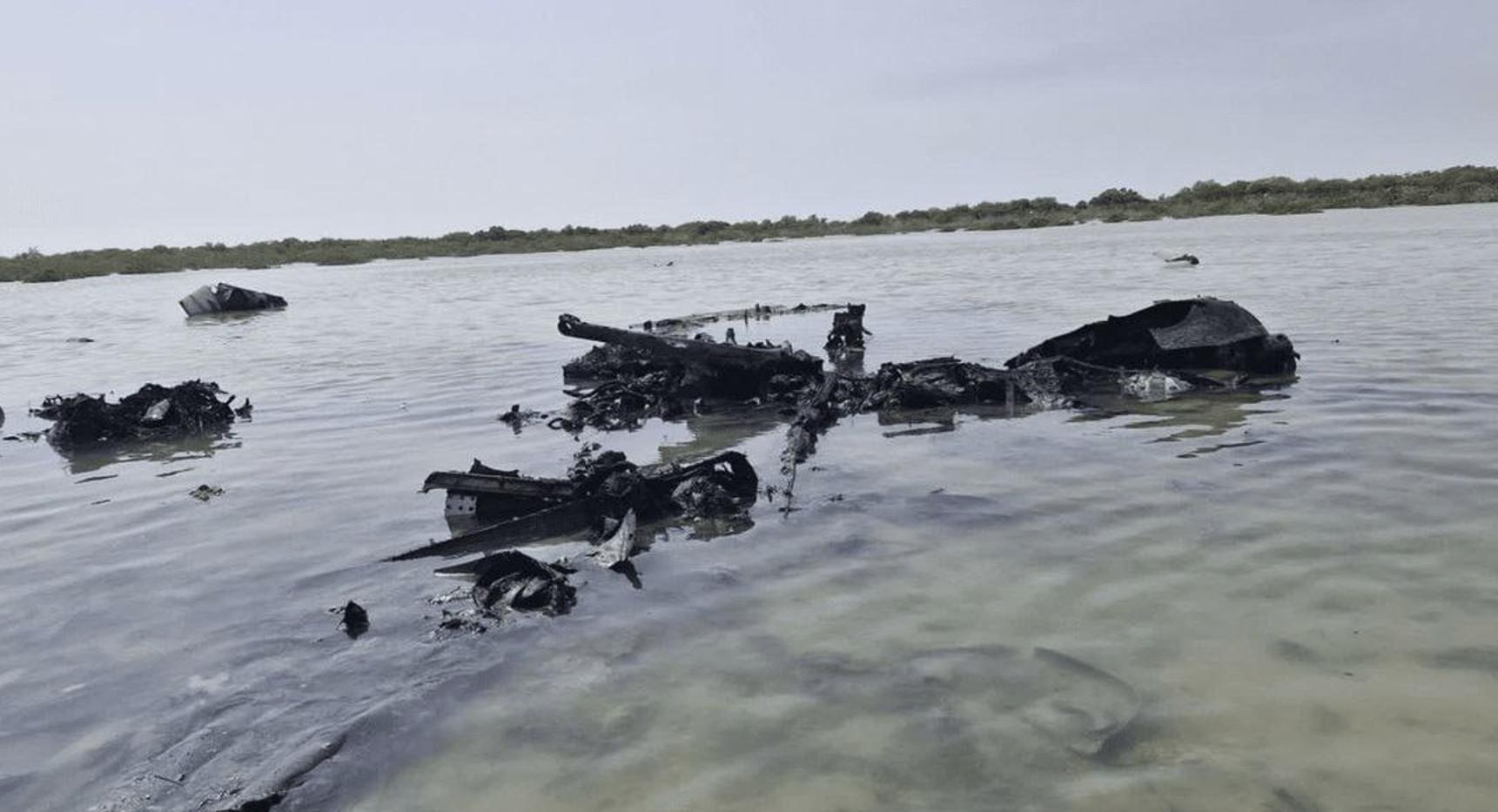
Tehran said preliminary evidence pointed to a foreign bulk carrier as the source, while TankerTrackers disputed Iran's account by saying the oil spill appeared to derive from the Iranian attack on bulk carrier MINOAN PIONEER (9471630) on 2026-08-03 in the Musandam Governorate of Oman.
The dispute over the spill's origin unfolded against heightened tensions around the Strait of Hormuz, described as "one of the world's most strategically vital maritime corridors" for global energy shipments.
Competing accounts and cleanup
While Iran said the spill had drifted toward the Iranian coast from within the Persian Gulf and that "Contamination has been documented at three coastal sites," TankerTrackers said the spillage "then drifted across the strait over to Iran" after its account of an Iranian attack on Minoan Pioneer.
Kurdistan24 reported that Iranian Foreign Ministry spokesperson Esmaeil Baqaei claimed "preliminary evidence indicates a foreign bulk carrier as the source," while TankerTrackers disputed Tehran's account by saying the pollution appeared to have resulted from an Iranian attack on the bulk carrier Minoan Pioneer in Omani waters on August 3.
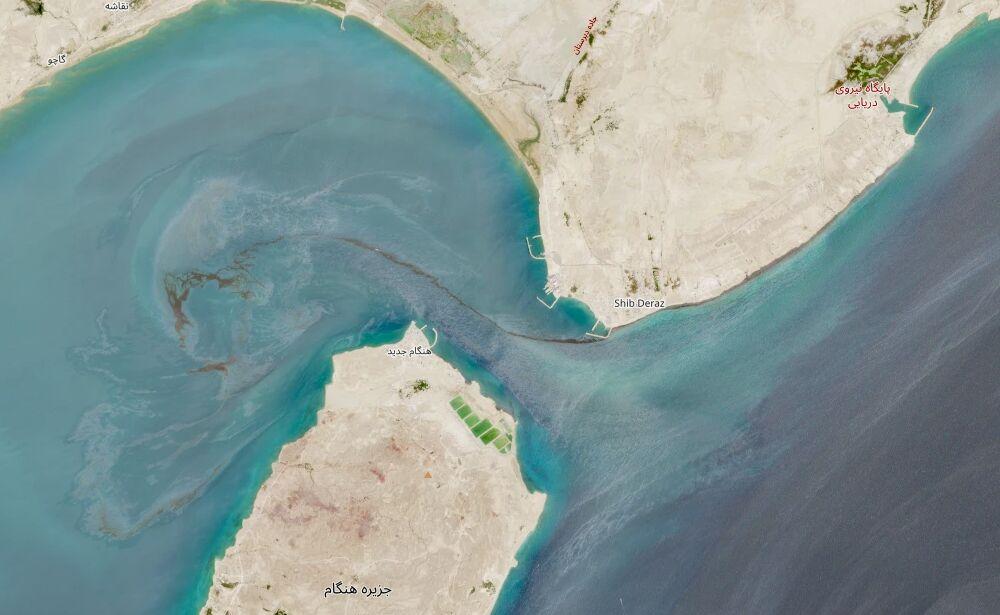
Kurdistan24 also said Iranian authorities reported the spill had reached Qeshm but was "almost completely cleaned up" by Wednesday evening, and it quoted Habib Masihi, head of the environmental protection department in Iran's southern Hormozgan province, saying approximately 32,000 square meters of coastline had been affected.
In parallel, the AP report described a separate salvage effort off Oman, saying a British company had been hired to salvage a grounded Russian shadow fleet tanker off Oman’s coast and stop an oil spill threatening wildlife as it reached the country’s shoreline.
Stakes: control, compensation, ecology
Iran warned of environmental damage in the Strait of Hormuz after the oil spill reached southern Qeshm, and it called for compensation while insisting the incident highlighted the need for Iran to define and implement its own management mechanism for the waterway.
“Every party that benefits from commercial shipping through the Strait of Hormuz carries both a legal and a moral obligation to remediate the environmental harm inflicted”
In a post on X, Esmaeil Baqaei said, "Every party that benefits from commercial shipping through the Strait of Hormuz carries both a legal and a moral obligation to remediate the environmental harm inflicted," and TankerTrackers' account of the spill's origin fed the dispute over who should pay.
The stakes were also framed through Iran’s broader control of the strait, as La Nación reported that Ebrahim Zolfaghari, spokesperson for Iran’s Central Military Command, said the passage "remains, as in the past, under the management and full control of the Islamic Republic of Iran."
Meanwhile, the AP report on Oman’s spill described a marine protected area that includes coral reefs, seagrass meadows and endangered turtles, and it quoted Greenpeace campaigner Hanen Keskes warning that even after containment, "the environmental impact can last for years."