USA · 14 August, 2026 · 3 min read
Trump Says US Has Total Control of Strait of Hormuz as Iran Refuses Reopening
Trump claims the United States has total control of the Strait of Hormuz. Iran denies US control and says the strait remains Iranian-controlled and closed.
68 outlets told this the same way.
Outlets did split on Donald Trump Approves New Fuel Economy Standards, Rolling Back Biden’s EV Mandate →
11 of 12 outlets skipped it: US used Hellfire missiles to immobilise a Panama-flagged container ship.
Al Jazeera was read line by line by the Watchdog: 1.2. See the score →
68outlets compared
Hormuz control standoff
The United States and Iran remain locked in competing claims over control of the Strait of Hormuz, with US President Donald Trump repeating that the US is in “total control” of the waterway while Iran denies the claim and says it will not reopen the strait until its conditions are met. Iran’s Persian Gulf Strait Authority (PGSA) posted on X that “The Strait of Hormuz remains blocked and will not be reopened until Iran’s conditions are accepted,” as Iranian forces prevent ships without its express approval from navigating the narrow strait. Al Jazeera reported that the US is operating a naval blockade on Iranian ports both in and around the strait, while the US targeted a Panama-flagged vessel in the Gulf of Oman on Tuesday, alleging it failed to respond to warnings.
The dispute is tied to a June 17 memorandum of understanding under which Iran undertook to keep the strait open for 60 days, but the sources say disagreements over control and routes helped renew hostilities after Iran fired on some ships it said had not followed its permitted route. In parallel, Al Jazeera said shipping traffic through the key waterway dropped to a one-week low as a result of Iran’s blockade, even as the US says it controls the strait.
Threats, talks, and mediators
Iran’s Basij commander Hossein Taeb reiterated that the strait is “under the management and control of the Islamic Republic,” and Iran’s joint military command later said no vessel could transit the Strait of Hormuz without Tehran’s permission. In response to US claims, the command said the “baseless claims made by the United States regarding the normal passage of vessels through the Strait of Hormuz ... are nothing more than lies and falsehoods,” as the standoff continues alongside disputes over the June interim deal. Pakistan’s Defense Minister Khawaja Asif told Bloomberg in Islamabad that the US and Iran are close to “some sort of an arrangement,” and CBS News reported Asif saying “Things are shaping up again in favor of a peace arrangement or a deal.”
Al Jazeera said Iran is not talking directly to the US about the strait and is instead holding talks with Oman, with Qatar’s Majed al-Ansari saying negotiations between Iran and Oman over the strait had reached “an advanced stage.” Al Jazeera also reported that talks between Iran and Oman are aimed at “establishing safe inbound and outbound shipping lanes,” while Iran’s Foreign Ministry spokesman said the lanes would “uphold sovereign rights while also addressing the national security considerations of both Iran and Oman.”

Blockade enforcement and stakes
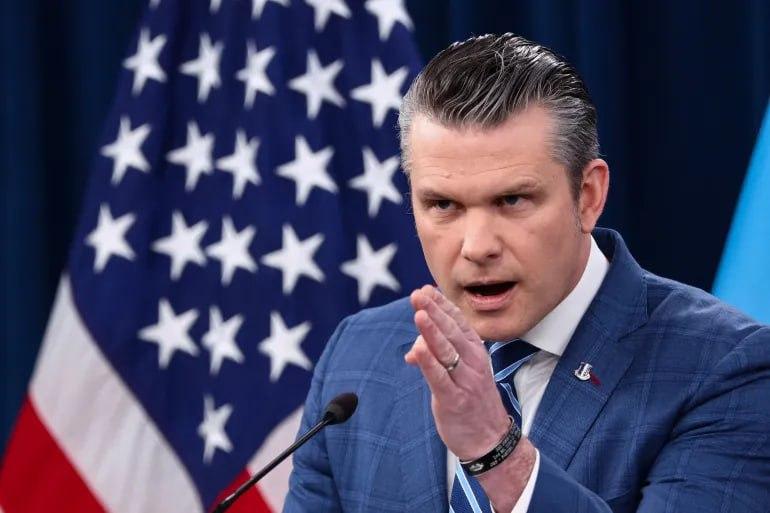
The sources describe the US blockade as continuing without a fixed end date, with Defence Secretary Pete Hegseth telling reporters that “Indefinitely, the United States Navy can maintain a blockade like that because we'll rotate ships in and out, as we have, and we'll continue to,” during a visit to Panama.
CNN Arabic said CENTCOM announced that American forces redirected the course of 59 commercial ships, disrupted 3 vessels, and boarded two ships as part of the “steel siege,” with the figures dating to August 12.
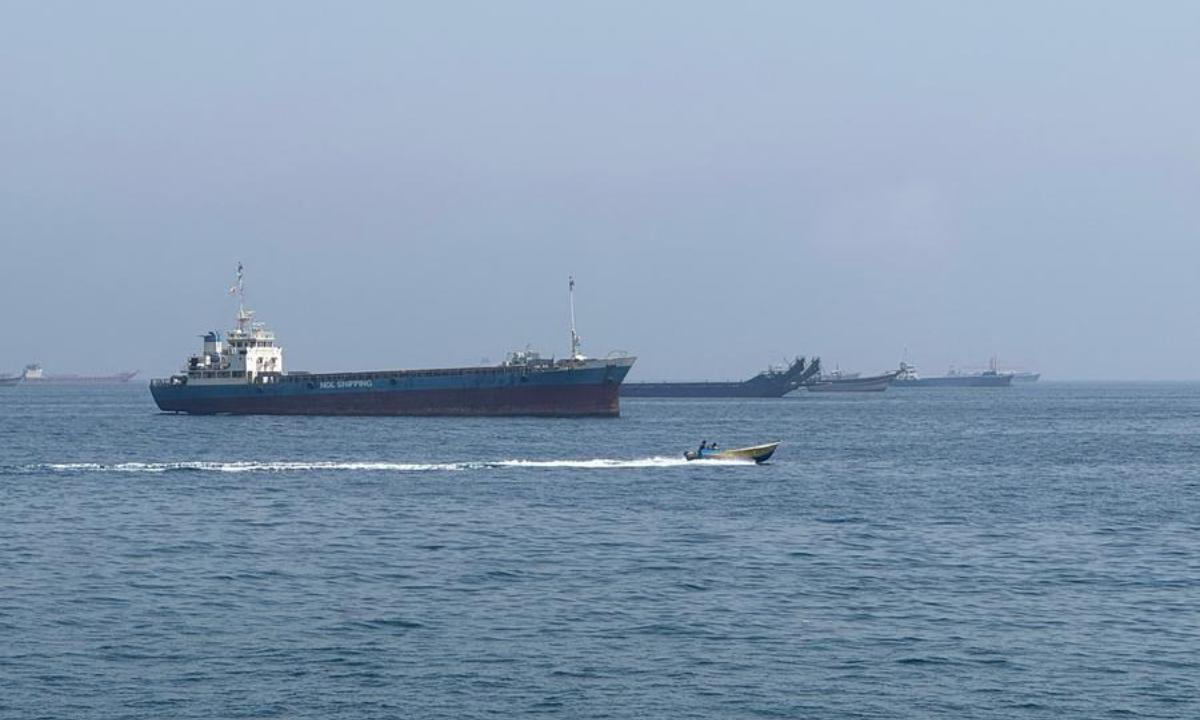
The stakes are also framed through the impact on passage, as Reuters reported maritime traffic through the Strait of Hormuz dropped to eight ships on Tuesday compared with an average of 12 ships in the previous ten days and 130 to 140 ships before the war.
Iran’s position remains that the strait will not reopen under US conditions, with Al Jazeera reporting that Iran will not reopen the strait until demands regarding US aggression, reparations and sanctions are met.
As the confrontation persists, the sources say the US is preparing to send the aircraft carrier USS George W. Bush to the Middle East to replace the USS Abraham Lincoln, while CENTCOM’s enforcement continues to target vessels attempting to bypass the blockade.