Technology and Science · 13 August, 2026 · 3 min read
Iran Cleans Qeshm And Hengam Oil Pollution After Foreign Bulk Carrier Contamination
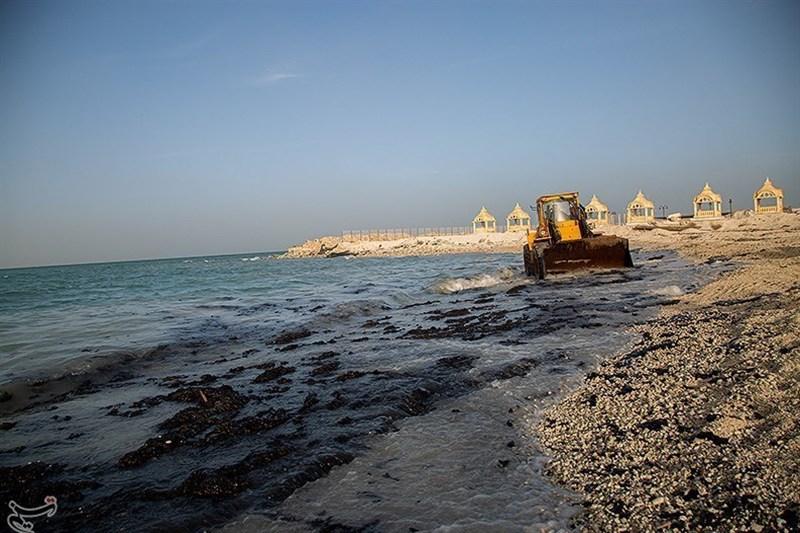
Oil pollution reported along Qeshm and Hengam coasts linked to a foreign bulk carrier. Iranian Environment Department leads cleanup with government agencies and local cooperation.
11 outlets told this the same way.
11outlets compared
Oil spill prompts blame
Iranian officials said oil pollution along the southern coasts of Qeshm and Hengam is being cleaned after contamination was linked to a foreign bulk carrier, with Shina Ansari saying personnel from Iran’s Department of Environment are carrying out cleanup operations and that part of the coastal strip in Suza has already been cleaned. Foreign Ministry Spokesperson Esmaeil Baqaei warned that environmental protection must be an integral part of any future arrangements concerning the administration of the Strait of Hormuz, and he said preliminary evidence had pointed to a foreign bulk carrier as the source. Baqaei stressed that the incident was only a visible example of wider pollution that has degraded the Persian Gulf and Sea of Oman and damaged Iran’s coastal ecosystems over the past decades.
He argued that parties benefiting from commercial shipping through the Strait of Hormuz have both legal and moral responsibilities to help address environmental damage to the region’s waters, while also questioning who should bear responsibility for compensating damages. The Economic Times later framed Iran’s position as a call for environmental safeguards for the Strait of Hormuz amid oil pollution along Qeshm Island shores, quoting Baqaei asking, "Who bears responsibility for compensating these damages?"

Strait reopening tied to conditions
Iran’s environmental warnings were tied to a broader dispute over whether the Strait of Hormuz will reopen, with Mohsen Rezaei warning Tehran will not fully reopen the strategic waterway until the United States meets "all the conditions." Rezaei outlined the required conditions in a message posted on X, writing that "IRAN's message is clear: the Strait of Hormuz will not reopen until the U.S. ends the war and blockade, releases Iran's frozen assets, and agrees to a region-wide ceasefire, including in Lebanon and Gaza," as the Economic Times reported. The Economic Times also said commercial shipping continues under tight security oversight while negotiations focus on whether a temporary truce can mitigate the likelihood of armed conflict while keeping maritime trade routes open.
WION reported that on Aug 13, Esmaeil Baqaei said videos showing oil contamination along the shores of Qeshm Island had emerged in recent days and that preliminary evidence indicated the pollution came from a foreign bulk carrier. WION added that Rezaei said, "Until all conditions are met, the Strait will remain closed," linking the Strait’s status to U.S. demands and regional ceasefire coverage.
Negotiations, mediation, and costs
As Iran and Oman negotiate legal and technical arrangements for navigation through the strait, Qatar said the talks had reached “an advanced stage,” with Qatar’s Foreign Ministry spokesman Majed al-Ansari telling reporters, "As mediators, we want the Strait of Hormuz reopened as soon as possible."
The Express Tribune reported that Doha said it was closely following the negotiations and urged de-escalation, while also noting that Iran said implementation of reopening is linked to resolving disputes over what it describes as U.S. violations of the June memorandum of understanding.
The Express Tribune also said Iranian foreign minister Abbas Araghchi told a televised news conference that the U.S. “begged” Iran to negotiate, recalling that the U.S. President demanded “unconditional surrender” at the beginning of the war.
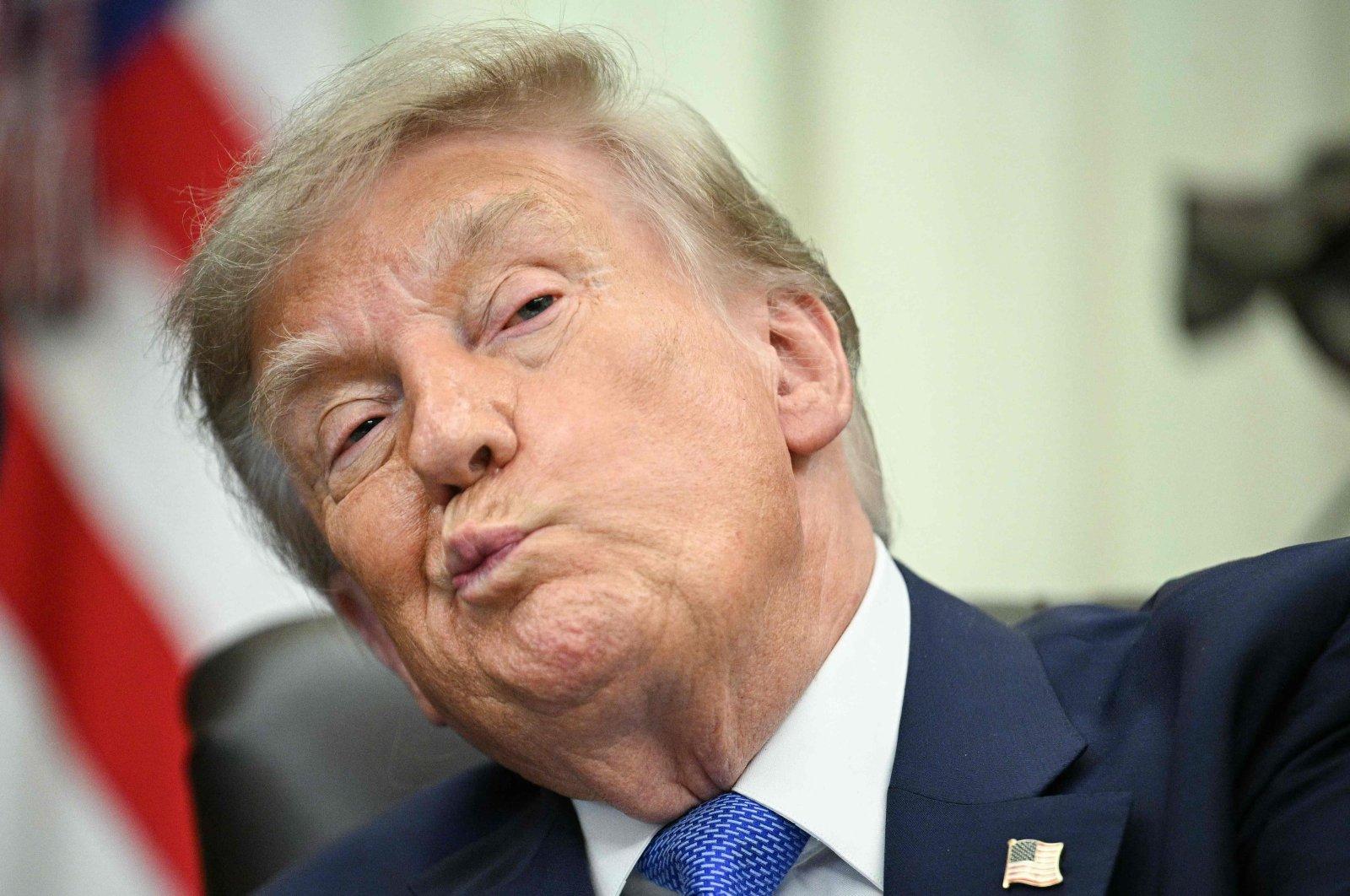
Separately, Daily Sabah reported that Trump demanded compensation from Tehran for deaths and destruction linked to decades of conflict, with Trump telling reporters at the White House, "We're going to ask for money for the damage they've done over a 50-year period."
Daily Sabah further said Iran’s Foreign Ministry spokesperson Esmaeil Baghaei stated Tehran would not reopen the Strait of Hormuz until Washington ends its blockade of Iranian ports, lifts economic sanctions and releases frozen Iranian assets, adding, "It is up to the U.S. side to stop and make amends for its illegal and destructive actions,"