Iran · 02 June, 2026 · 3 min read
Iran Closes Strait of Hormuz After Israeli Strikes on Lebanon, US Says Traffic Continued
Iran says it closed the Strait of Hormuz in response to Israeli strikes on Lebanon. The United States says traffic through Hormuz remains open and Iran does not control it.
Whether Iran actually closed the Strait of Hormuz.
7 of 8 outlets skipped it: crowd comments criticize Trump’s handling and diplomacy failures.
MS NOW was read line by line by the Watchdog: 3.5. See the score →
24outlets compared
Same story, two versions
tap a side to read it in full
It determines whether the threat is real leverage or mainly messaging.
Hormuz closure claim
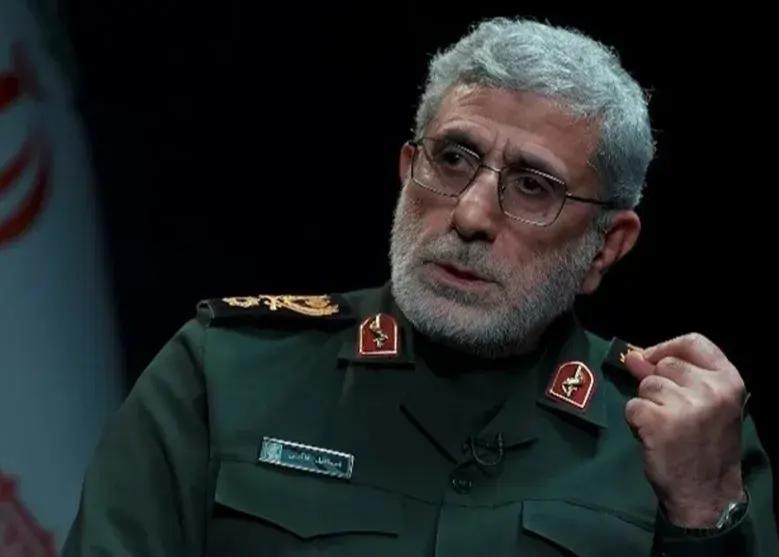
Iran’s military command said Saturday it was closing the Strait of Hormuz in response to Israeli strikes on Lebanon, as the move tested a ceasefire framework intended to lead to broader peace with the United States.
“US denies Iran's claim to have closed Strait of Hormuz”
The BBC reported that the US denied Iran’s claim, saying traffic in the waterway had continued, and noted that an Iranian delegation led by Parliamentary Speaker Mohammad Bagher Ghalibaf had landed in Switzerland ahead of further talks with the US.B
CBS News said the closure threat came as more than a dozen people were killed in Lebanon by Israeli strikes overnight Saturday, hours after three diplomats briefed CBS News that Israel and Hezbollah had reached a ceasefire agreement.
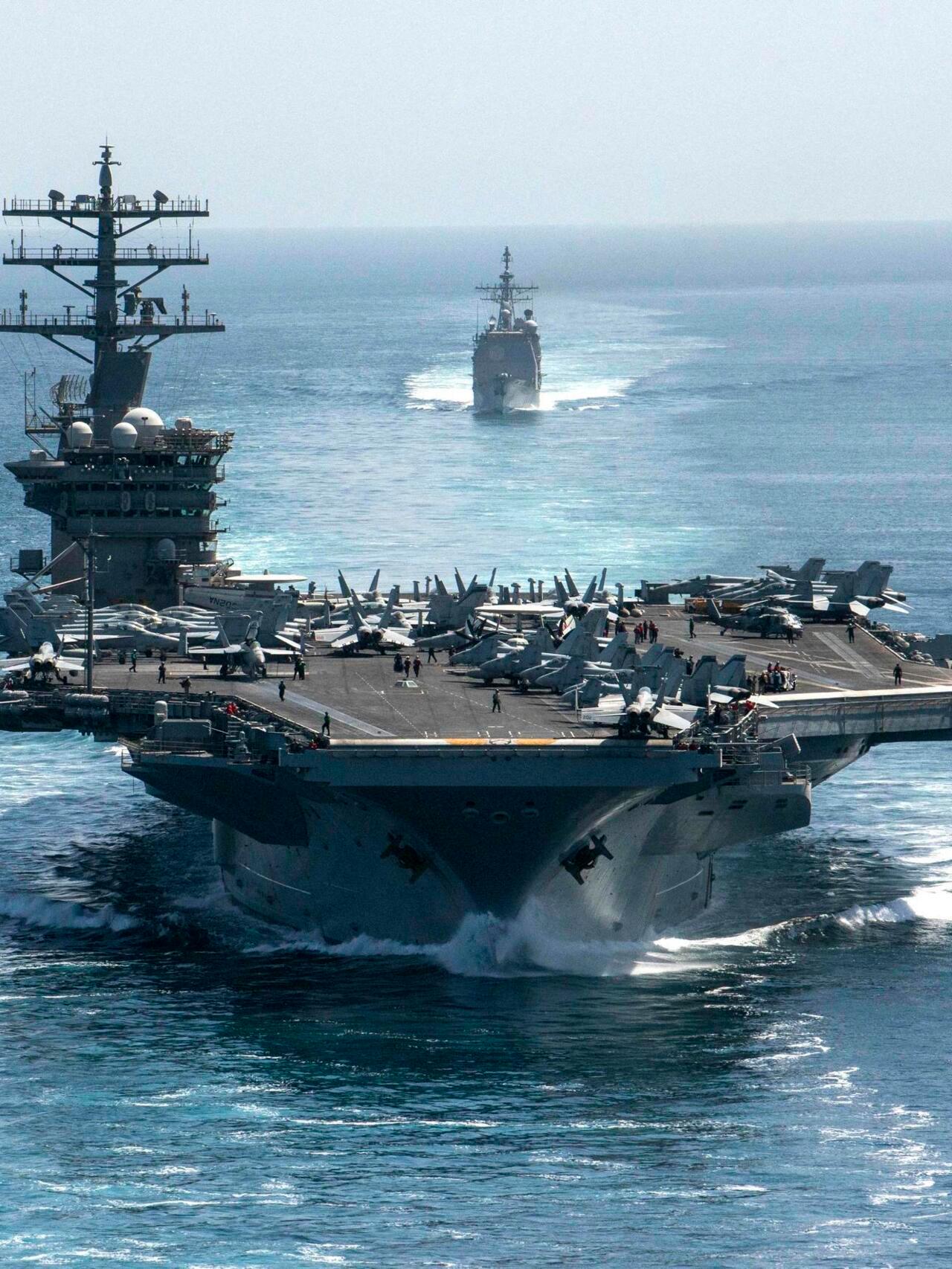
In the same reporting, US Central Command said “55 merchant ships transited the strait on Saturday,” while Iran said it was shutting down commercial traffic due to alleged violations of the memorandum of understanding.
The dispute over the strait unfolded alongside a 14-point deal that aims to end the war and begins a 60-day negotiating period to resolve wider issues, including Iran’s nuclear programme, with talks set to proceed in Switzerland.
Tolls, talks, and blame
As Iran and the US prepared for technical-level talks in Switzerland, President Donald Trump threatened to impose U.S. tolls on ships passing through the Strait of Hormuz if a final deal with Iran was not reached within 60 days.
CBS News quoted Trump’s position that there would be “NO TOLLS” in the strait “unless they are imposed by and for the United States of America,” tying the threat to “services rendered as the Guardian Angel.”
The BBC described the agreement as fragile and said the existing deal demands an “immediate and permanent” end to fighting on all fronts, including in Lebanon, even as the US said Israel and Hezbollah continued to exchange fire.B
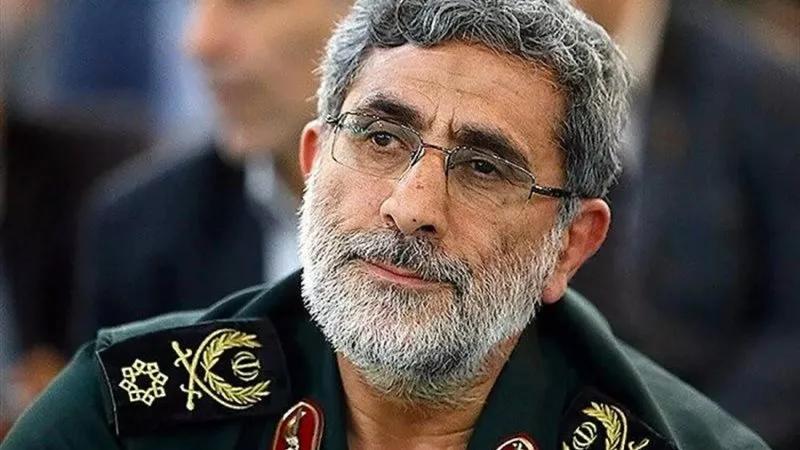
In parallel, Iran’s military command said the closure was the “first step” in response to breaches of commitments by the U.S. and Israel, according to NBC News.N
NBC News also reported that U.S. NCentral Command said 55 merchant ships transited the strait on Saturday, while Iran’s Islamic Revolutionary Guard Corps Navy warned ships not to approach and said their safety would be at risk.
What’s at stake next
The conflicting claims about the Strait of Hormuz and the continuing violence in Lebanon threatened to derail the fragile U.S.-Iran peace talks, with NBC News saying the continued military bombardment has threatened to derail the tentative peace deal.N
“threatened to derail the fragile U.S. peace talks with Iran”
NBC News reported that Trump’s special envoy Steve Witkoff and son-in-law Jared Kushner were in Switzerland dealing with technical elements, while Vice President JD Vance said the situation in Lebanon had “calmed down” and that negotiators would focus on “the nuclear issue” and “the Lebanon ceasefire issue.”N
Al Jazeera reported that a US official told it the Israeli army informed U.S. Central Command that it ordered its units to strictly observe the ceasefire in Lebanon, as Washington intensified pressure on Tel Aviv for fear the agreement with Iran would collapse.
In the same Al Jazeera account, Channel 12 quoted a senior official saying the army would strike Hezbollah if attacked again, and it said Prime Minister Benjamin Netanyahu ordered the army to respond strongly to any Hezbollah attack.
With the memorandum of understanding calling for an immediate end to hostilities on all fronts, including Lebanon, the sources framed the next steps as implementation-focused talks in Switzerland that hinge on whether both sides treat the ceasefire as being upheld.