Iran · 04 August, 2026 · 3 min read
Iran And Oman Seek To Reopen Strait Of Hormuz As Trump Accuses Iran After Cargo Ship Strike
Iran and Oman plan a temporary safe corridor to reopen the Strait of Hormuz. Talks among the US, Iran, and Oman show progress but no final agreement yet.
Whether US-Iran negotiations are happening.
11 of 12 outlets skipped it: DW says US nearly exhausted long-range missile stocks.
NBC News was read line by line by the Watchdog: 7.1. See the score →
19outlets compared
Same story, two versions
tap a side to read it in full
CNBC
““There’s been progress made in those talks but not finality yet,” Rubio told reporters”Read the original ↗
US outlets stress “progress” while Iran outlets stress denial of US talks.
Deal talks, disputed strait
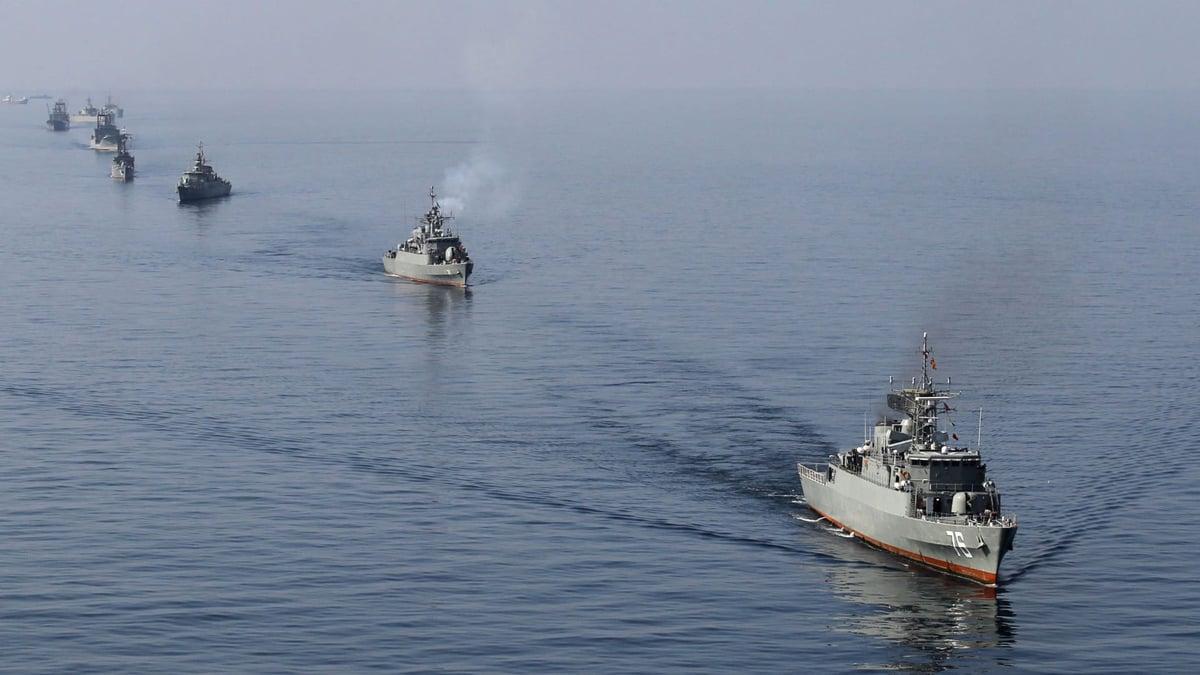
Iran and Oman are working on a plan to reopen the disputed Strait of Hormuz, with two regional officials telling The Associated Press that ships would enter the Persian Gulf through an Iranian-controlled route and exit through a route controlled by Oman.
“but not finality yet.”
The Associated Press reported that any deal appears contingent on the United States lifting its blockade on Iran’s ports, and that the Trump administration has previously ruled out any deal that would give Iran control over the strait.
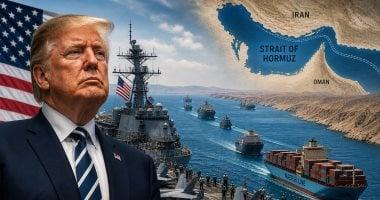
As diplomacy moved toward a possible timetable, Secretary of State Marco Rubio confirmed there has been progress made in talks between Iran and Oman but “but not finality yet,” while Treasury Secretary Scott Bessent told CNBC that “there is a chance we may have a deal today or tomorrow to open the strait.”
The same day, a cargo ship was reported “hit by an unknown projectile” while traversing the Strait of Hormuz, with the UK Maritime Trade Operations Center saying the reported strike damaged the vessel at around 2 a.m. local time while it was about 37 kilometers (23 miles) northeast of Al Khasab, a port city in Oman.
NBC News also described diplomatic confusion as President Donald Trump accused Iran of duplicity and insisted the two sides were discussing reopening the Strait of Hormuz as early as Tuesday, even as Tehran denied talks were even taking place.N
Competing claims and pressure
Iran’s president Masoud Pezeshkian denied claims that he had repeatedly threatened to resign during talks over the Strait of Hormuz, saying: “If I want to resign, I will officially announce that I have resigned. I will not resign, I will stand.”
The Guardian reported that Pezeshkian was forced to deny the resignation claims as hardline factions opposed to reaching a settlement with the US, and it said the US and Europe hope a deal is imminent to reopen the strait while putting pressure on Oman.

In Washington, Rubio told reporters at the State Department that “there's been progress made in those talks, but not finality yet,” while Anadolu Ajansı said Rubio hoped an agreement would come “very shortly.”
NBC News described the dispute over whether talks were underway, quoting Iranian Foreign Affairs Ministry spokesperson Esmaeil Baghaei telling reporters, “We currently do not have negotiations with America.”N
NBC News also reported that Qatari Foreign Ministry spokesman Majed al-Ansari said mediators in Qatar, Pakistan, and now Oman were coordinating closely with Oman to facilitate the talks between both sides by “exchanging ideas” and “exchanging drafts.”N
What reopening hinges on
Multiple accounts tied any reopening to conditions involving the United States, with the AP reporting that any deal appears contingent on the United States lifting its blockade on Iran’s ports.
“The situation in the Strait of Hormuz will not return to what it was unless the American blockade ends”
In Iran’s framing, the West Asian outlet عاجل said the IRGC asserted that “The situation in the Strait of Hormuz will not return to what it was unless the American blockade ends,” and it added that the Iran-Oman agreement would not be sufficient to restore navigation without the United States responding to Iran’s conditions.
The Washington Post reported that Treasury Secretary Scott Bessent said a deal could be reached with Iran “today or tomorrow” to open the Strait of Hormuz to “freedom of movement,” while also noting that Tehran quickly denied the assertions.
CNBC said Bessent told “Squawk Box” that “We are in talks with the Iranians,” and it reported his view that reopening would provide “freedom of movement” for commercial ships and help stabilize energy prices.C
Even as the diplomatic window widened, the AP said the strait has been effectively shut by Iran’s attacks on shipping since the start of the war in February, and it described the strait as the crucial waterway at the mouth of the Persian Gulf through which a fifth of the world’s oil and natural gas passed before the war.