Full story
Hormuz Pressure, Indirect Talks
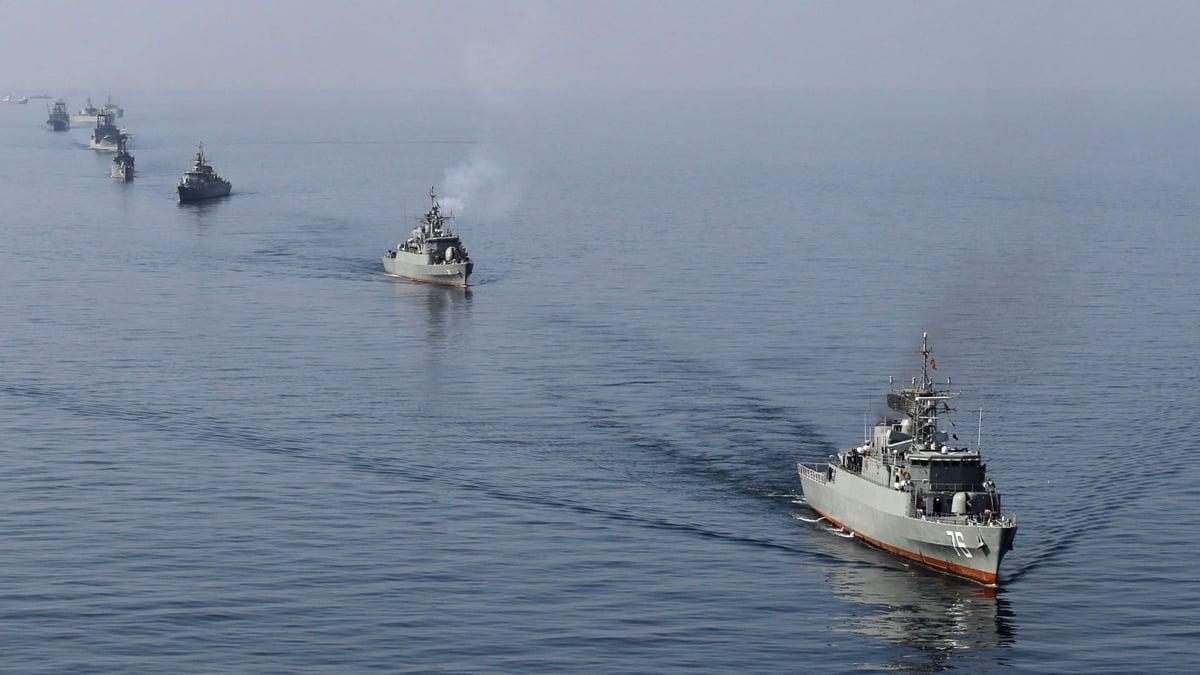
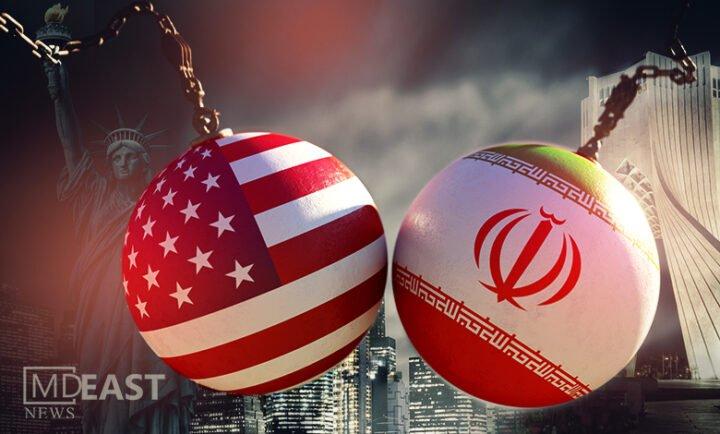
Iran is intensifying a multi-pronged pressure campaign aimed at forcing the United States to accept its terms over the Strait of Hormuz, combining restrictions on the waterway with proxy attacks and backchannel diplomacy.
“around 20% of global oil and liquefied natural gas shipments normally pass”
The strategy centers on Tehran’s demand for greater control over the strategic waterway, through which around 20% of global oil and liquefied natural gas shipments normally pass, and Iran has maintained restrictions since the US and Israel launched strikes against the country earlier this year.
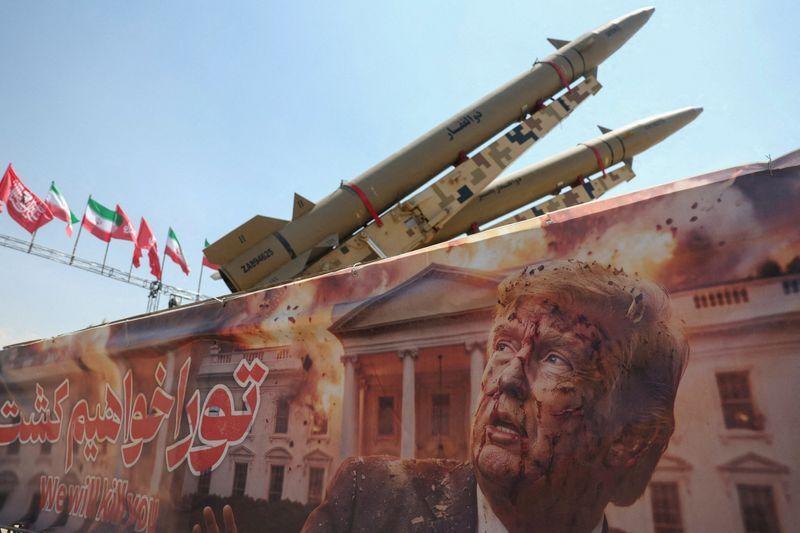
Iran’s Foreign Ministry spokesperson Esmail Baghaei said Iranian and Omani officials held technical talks in Tehran on mechanisms to ensure commercial navigation through the Strait of Hormuz while respecting the sovereignty of the two littoral states, describing the discussions as constructive.
Iran’s Foreign Minister Abbas Araghchi later said negotiations with Oman on a Hormuz agreement were "on track for finalisation", according to Iran's foreign ministry.
Tehran has rejected President Donald Trump’s claim that direct US-Iran talks are under way, with Baghaei saying there were "no plans to receive a US delegation or send officials to Washington".
Washington, Analysts, and Dispute
As Iran applies pressure, Michael Knights of the Washington Institute told Reuters that Iran tries to out-escalate the United States by stretching out its escalation options so that it always has "something new to bring every week — a new geography, a new type of weapon, a new type of target."
Knights argued that Iran’s leverage is not in direct harm to the United States or Israel, but in its ability to hurt regional states and the global economy, saying "Their big advantage is that they can hurt the regional states and the global economy."

The dispute over Hormuz governance is framed around Oman’s proposal for managing the waterway with voluntary user fees, while Tehran seeks administrative authority and the ability to levy service charges on vessels passing through.
Washington rejected any fees and insisted Hormuz remain an international waterway free from Iranian control, while Trump said talks with Iran would take place on Monday after he canceled a planned military strike to reopen the Strait of Hormuz.
Iran, however, said it was not currently holding talks with the United States, and a senior Iranian source said Tehran’s leadership concluded earlier attempts at flexibility only yielded greater pressure from Washington.
CENTCOM Options and Internal Pressure
CNN, citing informed sources, reported that U.S. Central Command asked military analysts for plans that are "creative and unconventional" to increase pressure on Iran and punish it, with a CENTCOM intelligence officer writing in an email dated July 29.
“creative and unconventional ways to increase pressure on Iran and punish it”
The report said a U.S. Central Command spokesperson, Timothy Hawkins, stated the command has a long track record of leveraging innovative ideas and that commander Brad Cooper encourages all team members to submit proposals to achieve "the highest level of operational efficiency."
The same CNN report described U.S. consideration of strikes at Mount Kalank Ghazla and other sites inside Iran believed to house materials or equipment linked to the nuclear program, while noting that eliminating these sites might require a ground operation that Trump has not approved yet.
Separately, Iran’s Assembly of Experts on Leadership confirmed that any move related to understandings or negotiations with the United States must be conducted within the framework of directives and views attributed to the new Iranian Leader Mojtaba Khamenei.
In a statement issued yesterday (Monday), the Assembly urged all Iranian officials to fully adhere to what it described as the "measured' positions and directives of the new Leader" as a reference for state institutions managing political and strategic files, foremost among them the relationship with the United States.