Iranupdated 2h ago2 min read
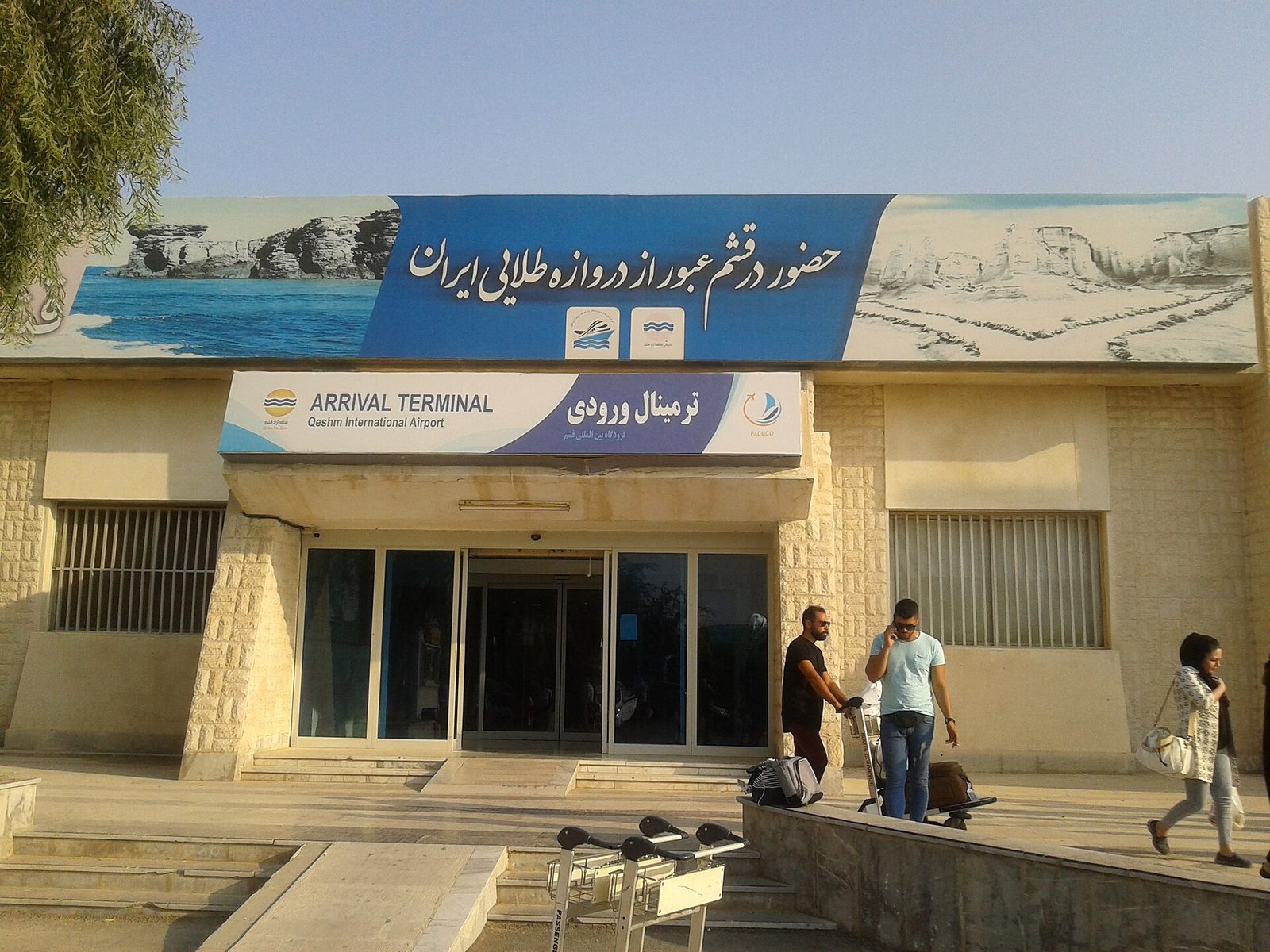
Archive photo · 13 October 2019Iran Calls US Response Unconvincing As Trump Confirms Strikes Near Strait Of Hormuz
6 West Asian3 Other3 Western Mainstream2 Other source typesPhoto: Kasir, CC BY-SA 4.0 · Cropped for layout
This article is an automated aggregation of coverage from news outlets. Our editorials offer in-depth analysis curated by the NewsCord team.
Iran says U.S. response to its seven conditions for Hormuz reopening is unconvincing. Trump confirms limited strikes on Qeshm Island near Strait of Hormuz.
Save coverage image
France 24 was read line by line by the Watchdog: 6.0. See the score →
Qeshm strike, Hormuz talks
Iran called the United States response to its seven conditions for reopening the Strait of Hormuz “unconvincing” as US President Donald Trump confirmed launching strikes on an Iranian island near the strategic waterway. Mohsen Rezaei, the secretary of Iran’s Supreme National Security Council, wrote on X that “America’s response to Iran’s rights and demands was not convincing,” adding that “Only in this case will the Strait of Hormuz be reopened.”
Trump told Fox News that the strikes targeted an anti-aircraft facility, describing the operation as a “minor attack” and saying it “wasn’t war”. The developments unfolded as Qatar’s Majed al-Ansari said talks were continuing and that both sides “remain committed to the negotiation process,” with Qatar facilitating a “real-time exchange of proposals between” the US and Iran.
Trump, Vance, and negotiations
Trump told the Financial Times that the United States has no immediate plan to renew strikes against Iran, while he said the US military is “locked and loaded” if strikes are necessary. Trump also told the FT that the US is "not really in a war" with Iran, citing Operation Midnight Hammer as having "wiped out their nuclear potential incapacity."
US Vice President JD Vance said on Sunday that there had been "a number of good conversations with the Iranians" after officials from the Islamic regime met with Qatari mediators in Doha for a third consecutive day of talks. Reuters reported that a senior Iranian official told the news agency on Tuesday that Iran and the United States are still far from a deal to end their war, as Trump declined to rule out a resumption of US combat operations after the elections.
Readiness, retaliation, and stakes
Iran’s negotiating delegation spokesperson Ismail Baghaei said the two sides were still exchanging messages through intermediaries, and he added: “Iran will not miss any opportunity to employ diplomacy to secure its interests and legitimate demands, deter the foe’s evils, and establish security in the region.” Mohsen Rezaei warned that the US response to Iran’s rights and demands was not convincing and stressed that Washington must fully and explicitly address Iran’s seven conditions, asserting that opening the Hormuz Strait will not happen before that.
Iran’s chief of staff, Major General Abdolahi, said the armed forces will respond to any threat immediately, effectively, and without geographic constraints, and he warned that the battle with America goes beyond military conflict to reshaping the architecture of global power. Reuters reported that Tehran would respond forcefully, in the region and beyond, to US strikes, and the report said Iran’s Parliament Speaker Mohammad Baqer Qalibaf told Reuters that “Iran will not submit” to threats and military action.