Iranupdated 35m ago3 min read
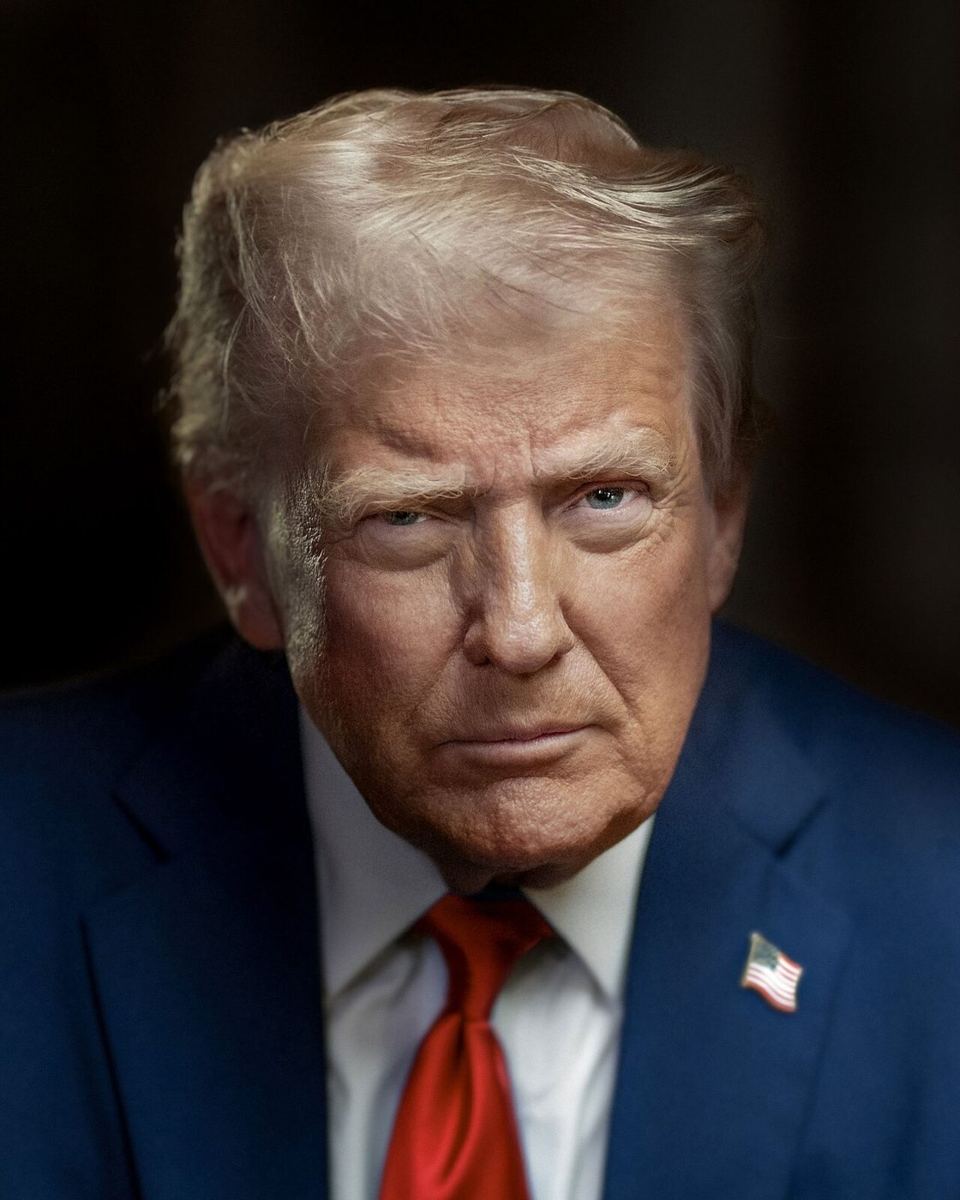
Archive photo · 2 June 2025Trump Signals Progress With Iran Talks, Threatens “Hammer” as Strait of Hormuz Timeline Looms
“does not indicate a return to U.S. military strikes on Iran or the beginning of an escalation”
“The Middle East is bracing for a possible return to all-out war”
Photo: Daniel Torok, Public domain · Cropped for layout
This article is an automated aggregation of coverage from news outlets. Our editorials offer in-depth analysis curated by the NewsCord team.
Trump says a deal with Tehran could happen amid intensive talks. Iran proposes reopening the Strait of Hormuz under conditions, potentially rapid action.
Save coverage image
France 24 was read line by line by the Watchdog: 3.0. See the score →
Talks, threats, and Hormuz
US President Donald Trump signalled progress in talks with Iran to avert renewed war, writing on Truth Social that a deal "could happen" and adding that "Iran wants a settlement, as soon as possible". Iran’s Foreign Minister Abbas Araghchi said indirect talks with Washington were taking place via mediators and described the exchanges as "intensive". Trump also kept up threats, telling a campaign rally that at "some point we're going to have to give them the hammer" while US oil prices fell by more than 7 per cent on Monday on optimism over a possible end to the eight-month-old conflict.
Iran’s Foreign ministry spokesman Esmaeil Baqaei said Tehran was ready to open the Strait of Hormuz within two days if Washington met its list of demands, and he framed the two-day timeline as "another indication of Iran's good-faith approach". The diplomatic signals came as the US and Iran remained locked in a standoff over the Strait of Hormuz after Iran’s blockade of the energy corridor sent oil prices rocketing earlier, and as the talks unfolded ahead of Tuesday’s US midterm elections.
Iranian conditions and mediation
Ahmad Arianizadeh, the representative of Malayer in the Islamic Consultative Assembly, said Iran was not negotiating with the United States and argued, "We are not negotiating at all; what exists currently is solely Iran’s terms transfer." Arianizadeh added that Iran would not sit "at the table with an oppressive enemy" and said the issue was not reconciliation but that "The enemy grants concessions when you have power." Iran’s Foreign Minister Abbas Araghchi told mediators were facilitating indirect talks, and he said the Islamic Republic was holding "intensive" consultations through mediators including Qatar and Pakistan to reach a possible agreement to reopen the Strait of Hormuz.
Araghchi also said, "If the U.S. accepts our conditions, the Strait of Hormuz will reopen and negotiations will resume," while the Wall Street Journal reported that talks through the main diplomatic channel had stalled. The Guardian described Gulf officials as "braced for the worst" as Qatar tried to negotiate the release of more than $6bn in Iranian assets tied to reopening the strait and restarting nuclear negotiations.
What happens next
The New York Times said Iran was prepared to reopen the Strait of Hormuz in two days if the United States agreed to a set of demands that included lifting sanctions and releasing billions of dollars in frozen Iranian assets.
CNA reported that oil prices plunged by more than 7 per cent on Monday as optimism grew over a possible end to the eight-month-old conflict, linking market movement to the prospect of reopening the strait.
The Guardian said Qatar’s mediation continued even as unidentified missiles struck a Pakistan-bound Qatari LNG tanker near the Strait of Hormuz on Friday, despite the ship receiving direct clearance and safe-passage approval from Tehran just hours earlier.
In Tehran, residents expressed concern about renewed fighting, and AFP quoted a 27-year-old health inspector, Mohadese, saying, "The news coming in is truly worrying. However… there is nothing I can actually do about it."
Russian Foreign Ministry spokesperson Maria Zakharova described reports of possible new strikes against Iran as "alarming," while the same report said China would send a special envoy to Iran, Oman and Saudi Arabia in early to mid-November.