Iran · 04 August, 2026 · 2 min read
Qatar Says Mediators Make Progress to End U.S.-Iran War as Trump Talks With Emir
Qatar says mediators are making progress toward ending the U.S.-Iran war. Iran and Oman discuss reopening the Strait of Hormuz with U.S. involvement.
Who is negotiating and what the agreement includes.
8 of 10 outlets skipped it: trump said the deal would include denuclearising Iran.
The Guardian was read line by line by the Watchdog: 4.9. See the score →
38outlets compared
Same story, two versions
tap a side to read it in full
CBS News
“The deal is imminent, having to do with the Hormuz Strait and also, ultimately, the denuclearization of Iran.”Read the original ↗
CBC
“Iran's Foreign Ministry spokesperson Esmaeil Baghaei spoke only of talks with Oman”Read the original ↗
CBS and Gulf News foreground denuclearisation; Anadolu and CBC stress Oman-focused transit talks.
Hormuz talks, ship hit
Qatar said mediators were making progress in efforts to end the U.S.-Iran war, driving oil prices lower, while Iran denied President Donald Trump’s assertion that talks were already under way.
“Benchmark Brent crude fell more than five per cent”
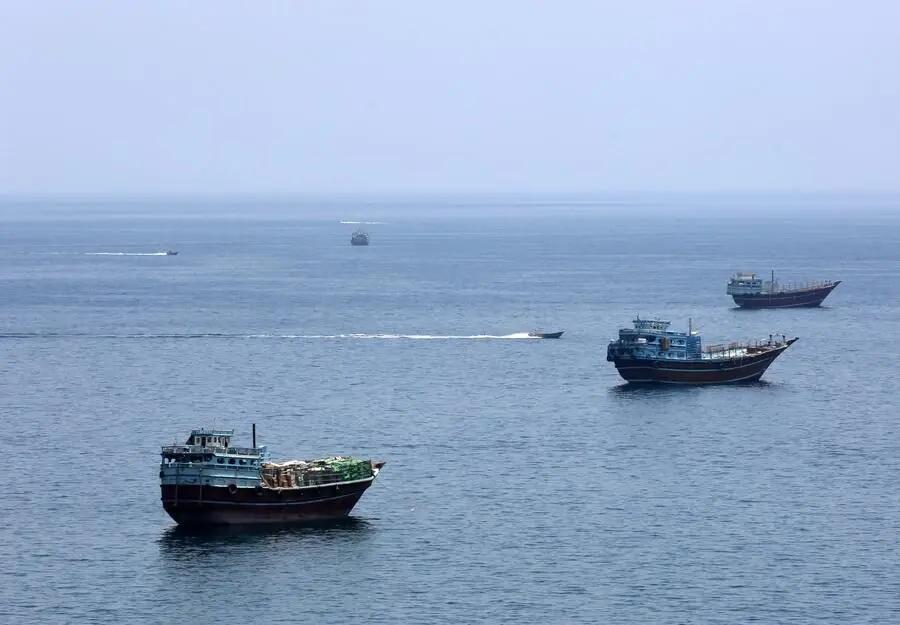
Benchmark Brent crude fell more than five per cent after Qatar’s comments, but the Strait of Hormuz remained virtually shut as another ship came under attack while trying to cross it.
Trump and Qatar’s Emir Sheikh Tamim bin Hamad Al Thani discussed efforts to narrow differences between Washington and Tehran during a phone call on Tuesday, Qatar’s Emiri office said.
Senior U.S. officials struck an optimistic tone, with Treasury Secretary Scott Bessent saying a deal on reopening Hormuz could be reached by Tuesday or Wednesday, while Secretary of State Marco Rubio told reporters, "There's been progress made in those talks, but not finality yet."
No direct talks, strike risks
Iranian officials insisted no negotiations with the United States were taking place, and Iran’s Foreign Ministry spokesperson Esmaeil Baghaei said talks with Oman over transit through the strait were positive and continuing.
Baghaei told reporters, "We are not negotiating with the United States at this time," while the U.S. president said on Monday that talks with Tehran had started and Iran faced a "last chance" to reach a deal.

Qatar’s Majed al-Ansari said diplomatic contacts had reached "very progressive stages" as mediators including Qatar, Pakistan and Oman coordinated closely to facilitate negotiations and exchange draft proposals between Washington and Tehran.
A senior Pakistani security official said, "Our sole goal at this moment is to make both parties at least agree to start talking," as the strait remained a flashpoint with a cargo vessel struck by an unidentified projectile near the Strait of Hormuz off Oman's coast.
Later on Tuesday, India’s Shipping Minister Sarbananda Sonowal wrote on X that a projectile had hit and sunk an Indian vessel near Yemeni waters, with all 14 on board rescued by Yemen's coast guard.
What’s at stake next
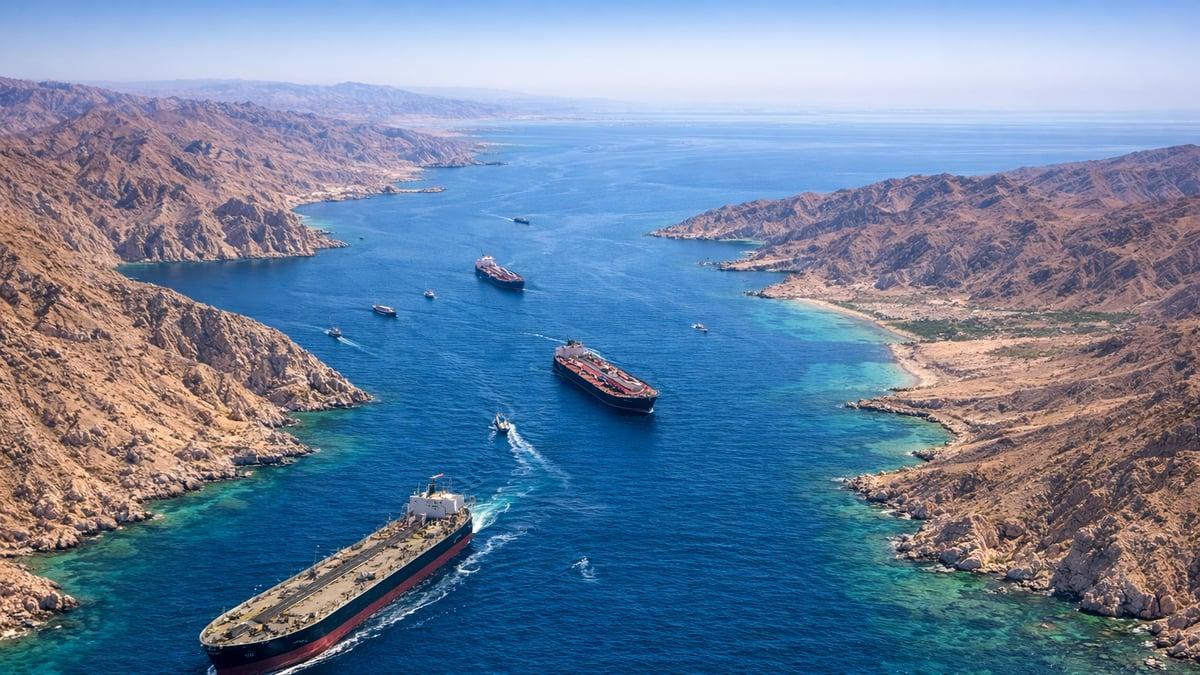
The diplomatic push is tied to the U.S. and Iran’s competing positions on Hormuz, with Iran halting most traffic through Hormuz while the U.S. maintains a blockade of Iran-related shipping and ports.
“a corridor that normally carries about a fifth of global oil and liquefied natural gas shipments”
Iran has long demanded control over the strait, which it says it should share with Oman, and a senior Iranian source said Tehran is seeking full control over inbound shipping and visibility over outbound traffic, with the ability to intervene if necessary.
The stakes for global energy flows were underscored by the Reuters description that the corridor normally carries about a fifth of global oil and liquefied natural gas shipments, even as the strait stayed virtually shut.
In the background of the negotiations, the U.S. military campaign’s sustainability was questioned, with Reuters reporting that the U.S. Army has used up much of its stockpile of highly accurate long-range missiles during the war.
Qatar’s mediators also framed their immediate objective as avoiding escalation, with Al-Ansari saying, "What we do not want to see right now is a major escalation in our region."