
Iran · 02 July, 2026 · 3 min read
Iran Foreign Minister Abbas Araghchi Slams CENTCOM Bahrain Security Dialogue
Bahrain dialogue drew officials from 12 countries to discuss Strait of Hormuz and regional defense. Iran rejected the talks, calling the U.S.-led forum window dressing.
Purpose and legitimacy of the US-led Bahrain dialogue.
10 of 11 outlets skipped it: tabnak discusses Gulf Arabs shifting security toward Israel.
11outlets compared
Same story, two versions
tap a side to read it in full
Anadolu Ajansı
“The discussions underscored our shared commitment to regional security and stability,”Read the original ↗
Same meeting framed as “PR theater” vs genuine stability coordination.
Bahrain Summit, Iran’s Pushback
Iran’s foreign minister Abbas Araghchi attacked a US-led regional security dialogue in Bahrain, saying “Has CENTCOM brought security or insecurity to our region? The answer is clear,” after CENTCOM hosted a meeting with military representatives from 12 Middle Eastern countries.
Araghchi said “Peace in our region can only be sustained when comprehensive and inclusive, with no outside interference,” and he praised Iran’s armed forces for proving that “outsiders cannot even protect themselves.”

CENTCOM described the Bahrain meeting as a regional security dialogue led by its commander, Admiral Brad Cooper, with senior military officials from Bahrain, Egypt, Jordan, Kuwait, Lebanon, Oman, Qatar, Saudi Arabia, Syria, the United Arab Emirates and Yemen.
CENTCOM said the discussions focused on regional security challenges, defence co-operation and safeguarding commercial shipping through the Strait of Hormuz, while Araghchi argued lasting peace could only be achieved without external involvement.
The exchange came as tensions escalated between the United States and Iran after an attack on a commercial vessel transiting the Strait of Hormuz near the Gulf of Oman, followed by US strikes on Iranian radar installations and Iran targeting US bases in Kuwait and Bahrain.
“Window Dressing” and “Political Theater”
Iran’s Foreign Ministry spokesperson Esmaeil Baqaei dismissed the Bahrain meeting as “nothing more than a public relations exercise designed to conceal Washington’s destabilizing conduct in West Asia.”
Baqaei urged regional countries to remain alert and said “Such gatherings are nothing but a display and window dressing with the aim of covering up the destabilizing policies and illegal actions of the United States in West Asia,” while he responded to a CENTCOM announcement about the so-called “Regional Security Dialogue.”
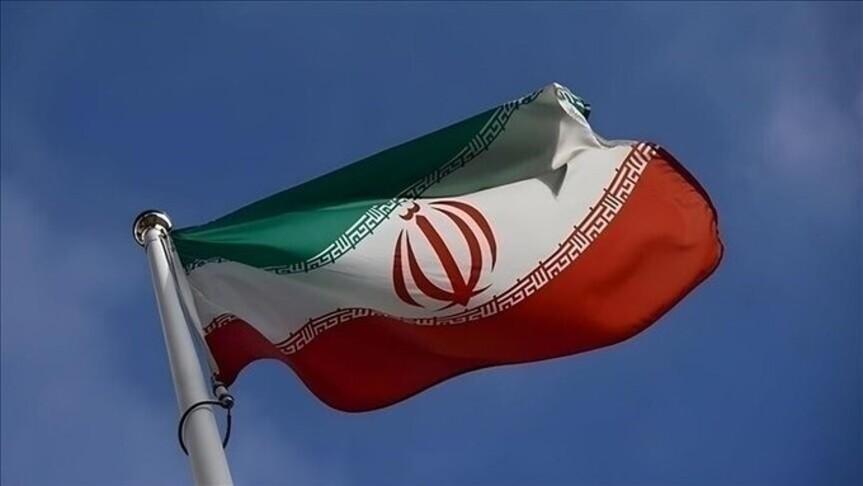
WANA News Agency reported that Esmail Baghaei dismissed the same US-backed dialogue as “performative posturing” aimed at concealing Washington’s destabilizing policies and unlawful actions in West Asia.
WANA added that Baghaei said the United States has consistently shown “complete contempt for genuine peace and security” in the region, and he urged countries to draw lessons from what he described as recent US and Israeli military attacks and actions.
The dispute also included Iran’s legal position on the Strait of Hormuz, with WANA citing remarks from Iranian Deputy Foreign Minister Kazem Gharibabadi that the waterway is “defined under Iran’s authority, not U.S. Central Command (CENTCOM).”
Hormuz Authority and Next Steps
Iran’s Deputy Foreign Minister Kazem Gharibabadi rejected the US-led Bahrain security talks attended by Qatar, writing “Hormuz is defined under Iran’s command, not CENTCOM,” and he said “A military summit in Bahrain cannot establish legal order and security for the Persian Gulf.”
Doha News said CENTCOM claimed the meeting, hosted by the Bahrain Defence Force, was the first time military leaders from Syria and Lebanon participated in a US-led regional defence conference, and CENTCOM said participants reaffirmed commitment to protecting the free flow of commerce through the Strait of Hormuz.
EDNEWS reported Gharibabadi arguing that “a military summit in Bahrain cannot establish legal order and security for the Persian Gulf,” and it quoted him saying regional security would be ensured through “the end of interventions and the US withdrawal from the area.”
The same CENTCOM framing appeared in Anadolu Ajansı, which quoted Commander Adm. ABrad Cooper saying “We continue to stand shoulder to shoulder with our regional partners,” after the talks with senior military officials from 12 countries.
Anadolu Ajansı also linked the dialogue to recent flare-ups, saying Tehran described Iranian missile and drone strikes on US military sites in Kuwait and Bahrain as coming in response to US strikes on targets inside Iran, while CENTCOM said it operates what it described as the world’s largest integrated air and missile defence network across the Middle East.A