Iran · 08 April, 2026 · 1 min read
Iran Imposes Strait of Hormuz Crypto Tolls Despite Ceasefire
Iran plans crypto tolls for Hormuz transit during a two-week US-Iran ceasefire. Toll set at $1 per barrel payable in Bitcoin or other crypto.
Toll amount framing.
12 of 13 outlets skipped it: industry estimate referenced IEA: about 20 million barrels per day passed Hormuz before the war..
13outlets compared
Same story, two versions
tap a side to read it in full
The Block
“Bitcoin payments allowed for Hormuz tanker tolls as Iran seeks up to $2 million per tanker in transit tolls through the Strait of Hormuz.”Read the original ↗
Decrypt
“The Iranian government will levy a fee of $1 per every barrel of oil that passes through the strait, and the fee will have to be paid in Bitcoin, according to a Wednesday report in the Financial Times.”Read the original ↗
Shows a stark contrast in how the same policy is framed financially: a per-tanker cap of up to ~$2M vs a per-barrel toll of $1, indicating different calculations of the potential revenue and scale.
Crypto-Backed Tolls
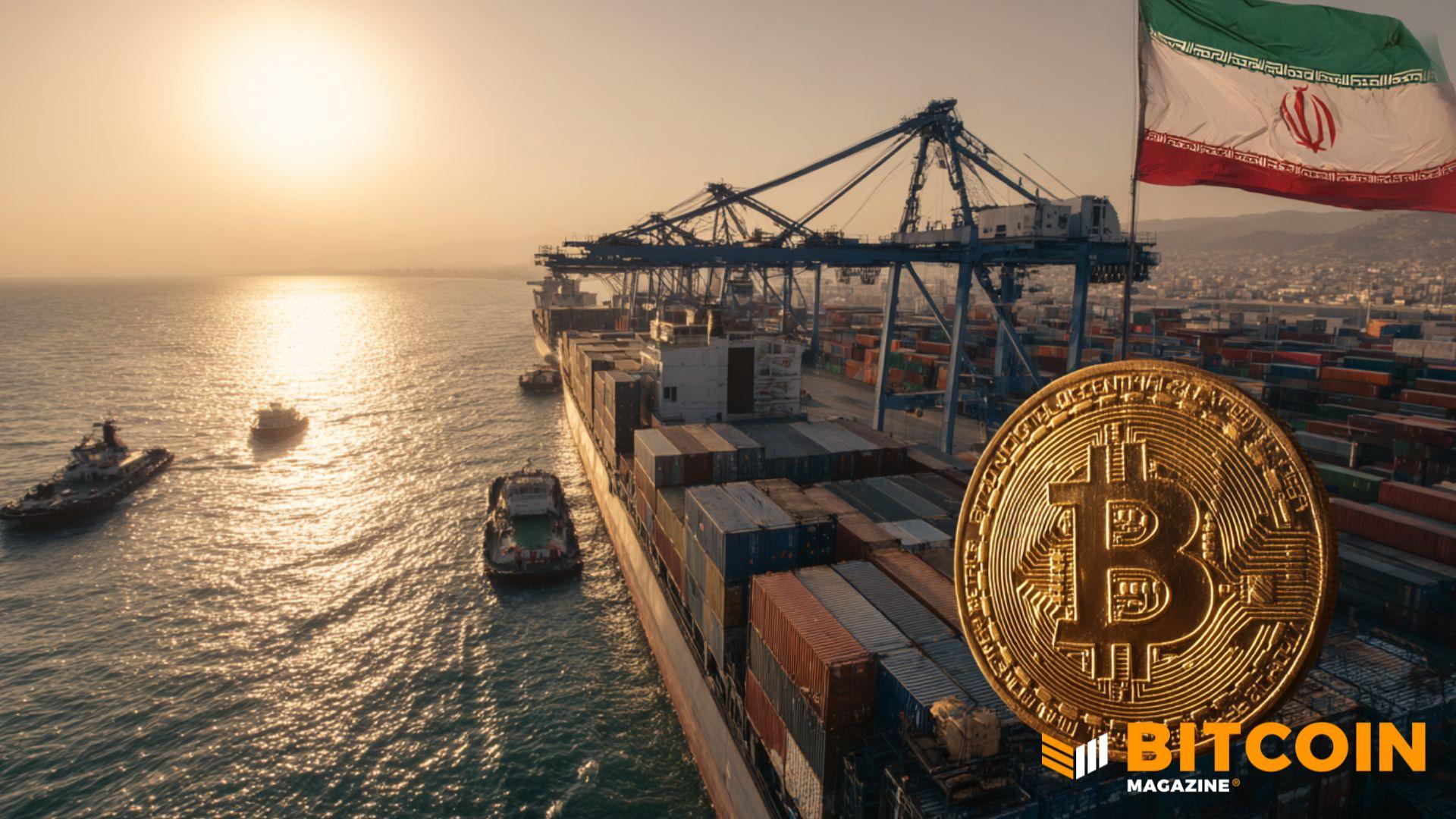
Iran demanded crypto-backed transit tolls during the two-week ceasefire with the United States. The toll will be about $1 per barrel for fully loaded tankers.
Vessels must email cargo details and then pay via cryptocurrency such as bitcoin. The use of crypto ensures fees can’t be traced or confiscated due to sanctions.

Enforcement and Route Changes
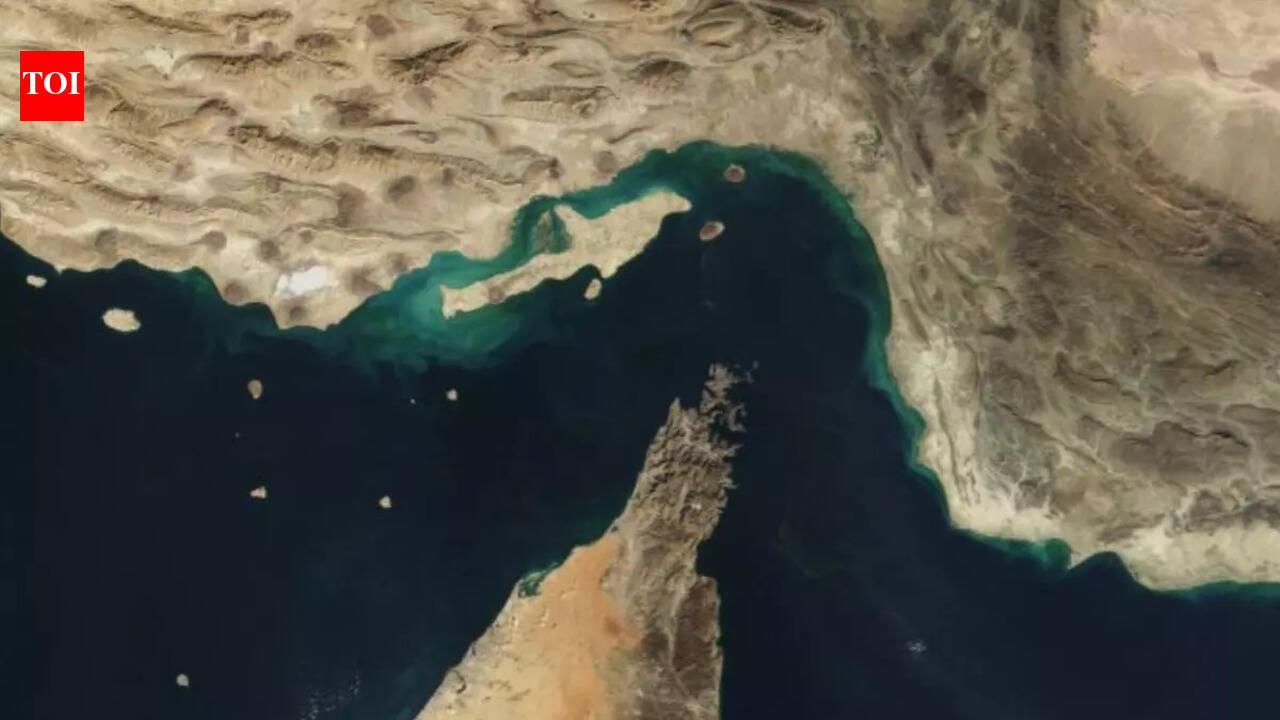
Iran warned that any tanker passing without permission will be targeted. Iran could direct traffic along the northern route closer to its coastline.
A fully loaded supertanker could face charges approaching $2 million. Shipping companies largely remain in a holding pattern.
Geopolitical Implications
The crypto tolls highlight how Iran is leveraging digital assets to maintain leverage. Other regional exporters are likely to balk at Iran controlling the Strait.
The Channel remains a focal point of broader geopolitical contestation. Trump expressed hope the tolling could lead to longer-term commerce resumption.