Iran Intelligence Ministry Pledges Revenge After Khamenei Martyrdom At Grand Imam Khomeini Mosalla
Key Takeaways
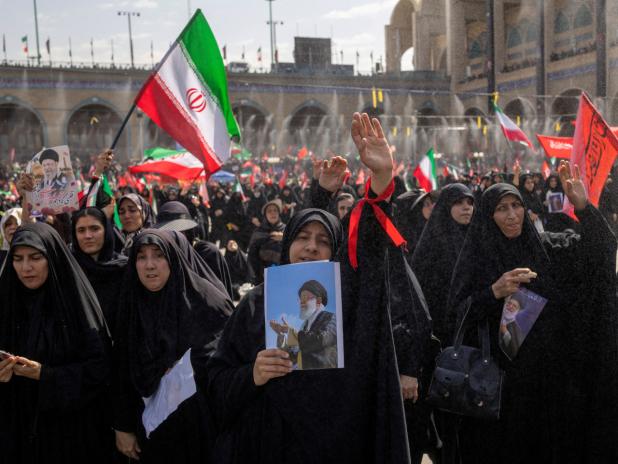
- Millions attend Khamenei's Tehran funeral at Imam Khomeini Mosalla.
- Foreign leaders and delegations arrive for the funeral ceremonies.
- Officials stress unity among Muslims and resistance themes.
Revenge and Mourning
Iran’s Intelligence Ministry pledged revenge after the “martyrdom of the Leader,” saying in a statement on Saturday that “The bloodthirsty American-Zionist enemy committed the greatest crime and terrorist conspiracy of contemporary history in this great tragedy.”
The ministry said the Iranian nation has been in mourning for “over four months” and that “according to divine promise, this retribution and punishment will be realized.”

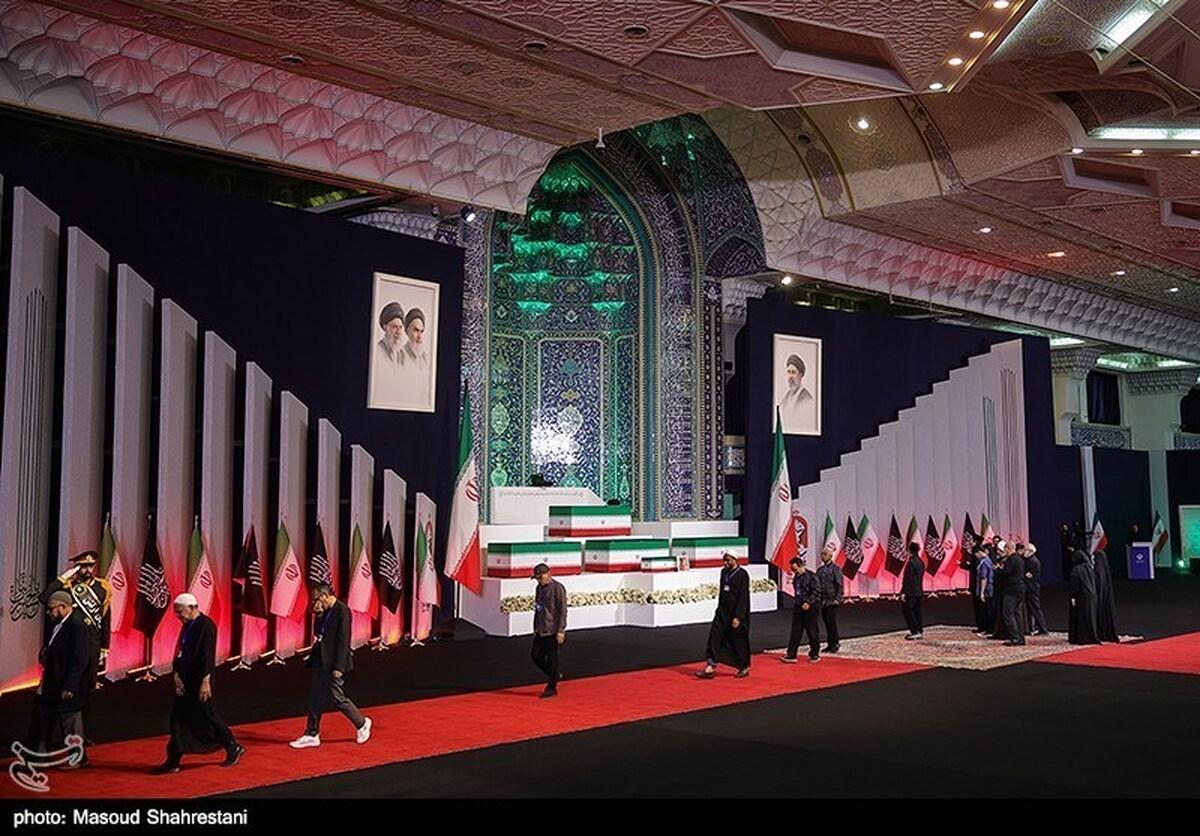
It tied the “martyred Leader” to the launch of “the latest bout of unprovoked American-"Israeli" aggression against Iran on February 28,” and said the farewell ceremony would be held on Saturday and continue through Sunday at the Grand Imam Khomeini Mosalla.
The statement also set a funeral procession in Tehran for Monday, with additional ceremonies in Qom on Tuesday and in Mashhad on Thursday, where the Leader will be laid to rest at the Imam Reza Shrine.
On Friday, official tributes were paid by heads of state, dignitaries from various countries, and religious leaders from around the world in Tehran, according to the same report.
Unity Message and Security
Iran’s President Pezeshkian highlighted the “martyred Leader’s emphasis on unity among Muslims” while addressing the International Conference of Imam Khamenei in Tehran, saying the late Leader’s martyrdom on February 28 “inspired millions of Muslims around the world in their quest for unity.”
Pezeshkian also criticized the international community for remaining silent on what he called crimes, saying, “Today, we are witnessing that this [Israeli] regime openly speaks of assassination and elimination of individuals.”

As Iran began a week of public funerals for Ayatollah Khamenei, the Tehran Times reported that foreign mourners described the late Leader as a father figure to the oppressed, including Hassan Abdullah, a Nigerian student studying in Iran, who said, “Sayyid Ali Khamenei was the father of the oppressed.”
The Tehran Times also said a woman from Bosnia told Iranian media, “We lost our father,” while Pakistan’s Prime Minister Shehbaz Sharif attended and said the martyred Leader’s “wisdom, leadership, and deep impact on Iran and the region will endure for generations.”
Separately, the القدس العربي reported that Tehran’s streets showed dense security with police and Basij forces conducting patrols on motorcycles as official funeral ceremonies began at the Imam Khomeini Prayer Hall, starting with a minute of silence synchronized with Quran recitation.
Funeral Timeline and Hormuz
Iran’s funeral schedule described in the خبرگزاری صدای افغان(آوا) report set ceremonies beginning on Saturday, July 4, with a 24-hour farewell at the Imam Khomeini Shrine Prayer Hall in Tehran, followed by prayers in Tehran on Sunday, July 5.
It said the peak in the capital would come on Monday, July 6, with a massive public funeral march along Tehran’s east–west corridor from Imam Hussein Square to Azadgan, and that the Iranian government announced a nationwide public holiday with Tehran’s metro and buses operating free of charge for 24 hours on July 6.
The report then outlined cross-border rites, with bodies transported to Iraq for official ceremonies on Wednesday, July 8, and religious ceremonies concluding on Thursday, July 9 with a funeral procession and burial beside the tomb of Imam Ali ibn Musa.
In parallel, Radio Free Europe/Radio Liberty reported that Iranian Ambassador Abdolreza Rahmani Fazli said Tehran would charge “service fees” for Hormuz passage, insisting, “As a country where the Hormuz is part of its territorial waters, we will definitely charge service fees,” while also claiming such fees would not be a “toll.”
The same RFE/RL account said an interim deal between the US and Iran set commercial ships to transit the strait free of charge for 60 days, while it remained unclear what would happen after that period.
More on Iran

Trump Tells Axios Netanyahu Knows Who the Boss Is Ahead of White House Meeting
18 sources compared

Dmitry Medvedev Says Iran’s Strait of Hormuz Disruption Equals Nuclear Weapon
10 sources compared
Large Crowds Gather In Tehran For Ayatollah Ali Khamenei Funeral, Burial Planned In Mashhad
39 sources compared
IRGC Missile And Air Strikes Hit U.S. Bases In Kuwait And Bahrain, CENTCOM Confirms
13 sources compared