Full story
Hormuz talks near final
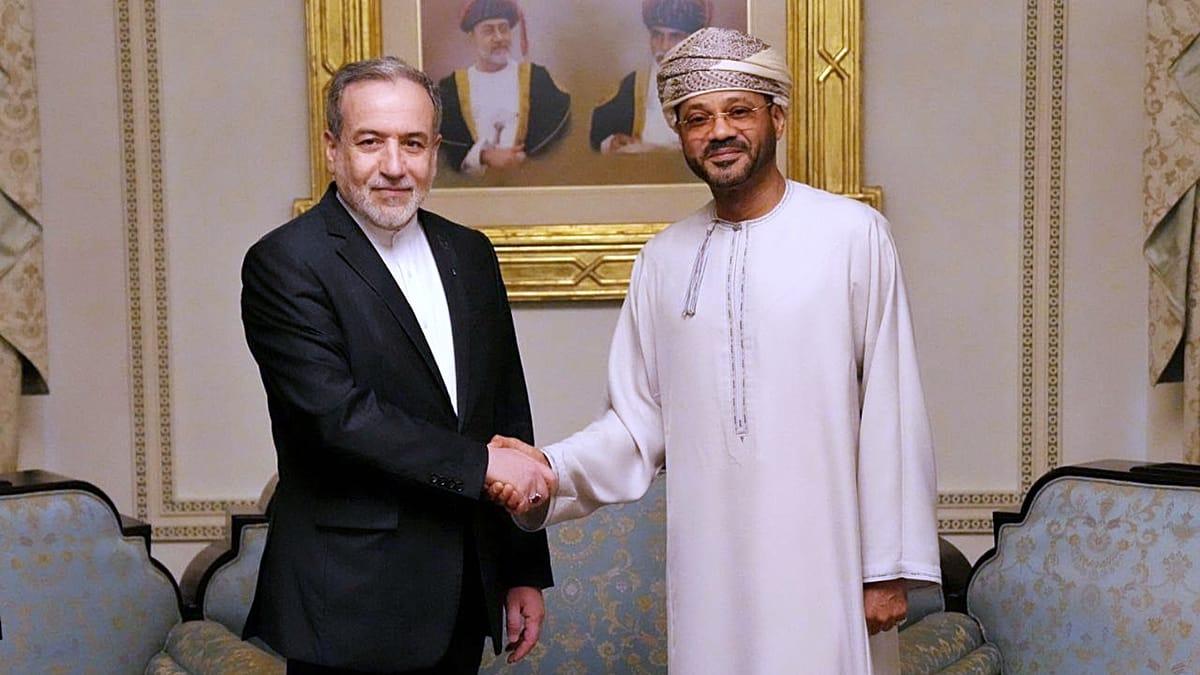
Iran said it was nearing a final deal with Oman to define new shipping routes through the Strait of Hormuz, but it reiterated that the United States must meet other conditions before reopening the strategic waterway.
“Iran said on Sunday it was nearing a final deal with Oman”
Reuters reported that Iranian Foreign Minister Javad Zarif said talks with Oman had reached the “final stages,” while Tehran repeated that it would not reopen the passage until the United States meets specific demands.

CNN Arabic said oil futures rose 1.2% on Sunday after Iran delivered a list of demands to reopen the Hormuz Strait and said it would not enter negotiations with the United States.
In the same Reuters account, a U.S. official told Reuters on Friday that a deal between Iran and Oman was imminent and could pave the way for restoring safe passage through the strait, which had been a major corridor for oil and gas shipments before Iran closed it.
The BBC said Oman described the negotiations with Iran over the Hormuz Strait as “positive,” while Tehran said talks were nearing their “final stages.”
Demands and hardline posture
Iran’s conditions for reopening were framed as sweeping political, security, and economic requirements, including compensation, ending sanctions, and halting military threats, with Reuters saying the United States must meet them before the strait is reopened.
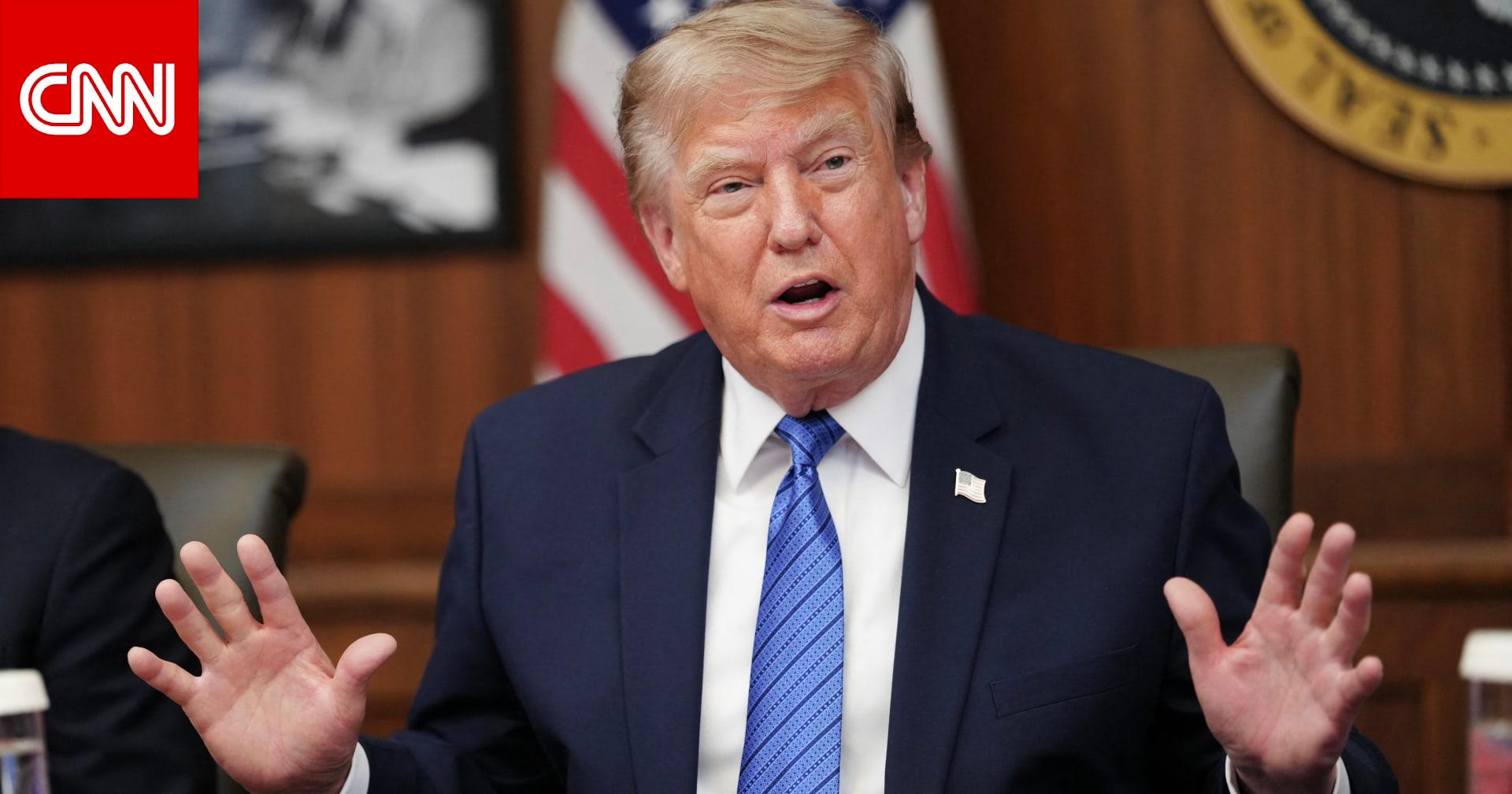
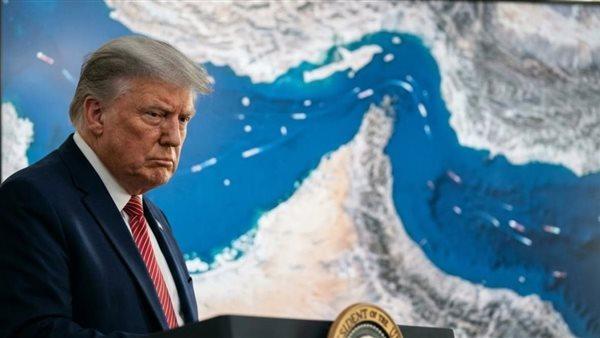
Reuters quoted Trump telling Axios that the United States was dealing with Iran “calmly,” adding, “We’re only negotiating with them step by step. We’re just watching Iran given the enormous inflation it suffers and the fact that it has no money.”
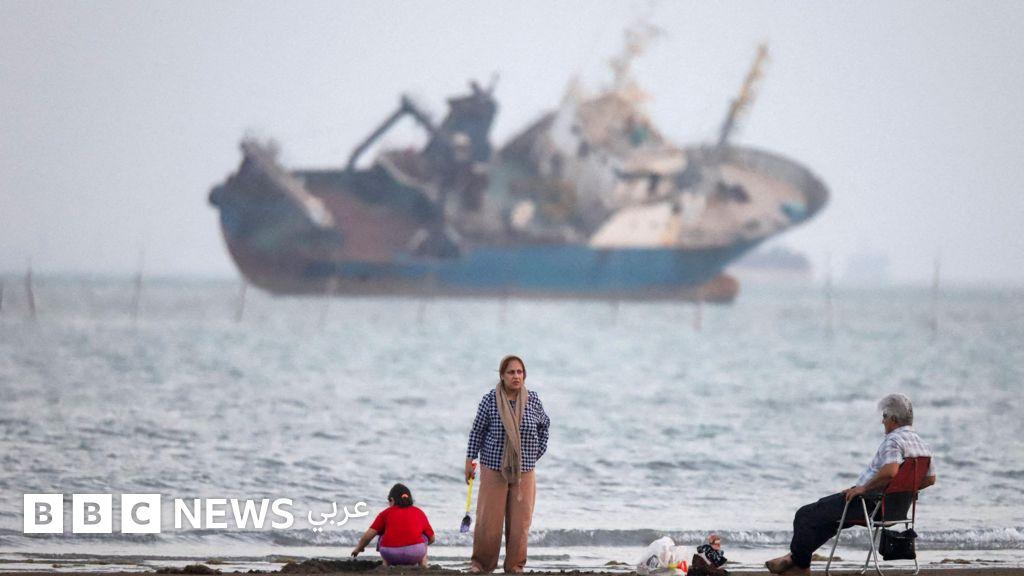
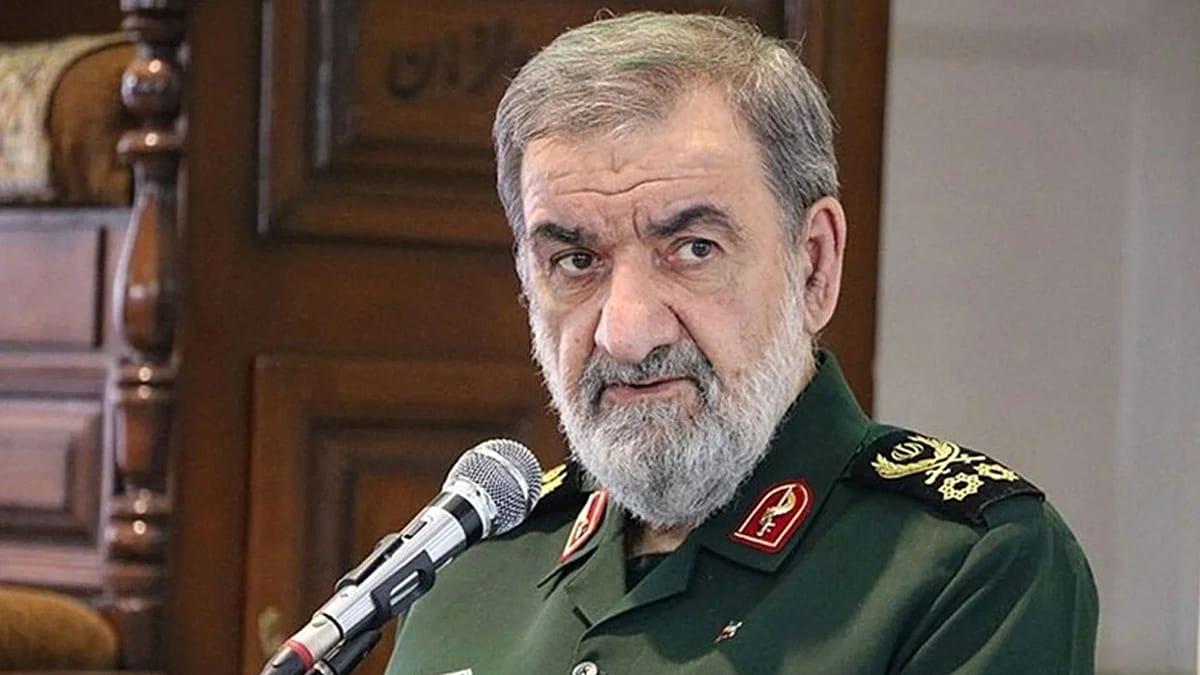
The BBC reported that the IRGC said Tehran would not reopen the strategic Strait of Hormuz unless the United States accepted all of its terms, and it quoted IRGC spokesperson Ramezan Sharif saying, “Our current strategy is to control this strait until the enemy accepts all of our conditions.”
In the BBC’s account of Iran’s messaging, the Secretary of Iran’s Supreme National Security Council, Ali Bagheri Kani, said, “The Strait of Hormuz will not open unless America corrects its behavior.”
The DW report added that the Revolutionary Guard said Iran will reopen the Strait of Hormuz once the US “corrects its behavior” and accepts Iran’s conditions, while also saying reopening does not depend on how talks with Oman develop.
Attacks, oil stakes, and next steps
As negotiations over the strait continued, the UAE accused Iran of targeting an Emirati tanker in the strategic waterway, with Roya News saying the UAE Foreign Ministry condemned what it described as “an aggressive Iranian attack targeting an ADNOC tanker with a missile while it was transiting the Strait of Hormuz, with no injuries reported.”
““an aggressive Iranian attack targeting an ADNOC tanker with a missile while it was transiting the Strait of Hormuz, with no injuries reported.””
Reuters also said the UAE reported that Iran attacked a vessel belonging to the National Iranian Oil Company, while the UAE said the attack involved a missile, and it noted Tehran had not yet commented on the accusations.
CNN Arabic tied the standoff to energy markets, saying Brent crude rose about 1.2% to $84.58 per barrel and U.S. crude rose about 1.1% to $79.28 per barrel after Iran announced conditions for opening the Hormuz Strait.
The BBC reported that Israeli Prime Minister Benjamin Netanyahu stressed the need to prevent Iran from acquiring a nuclear weapon, while it also quoted Netanyahu saying, “whether an agreement is reached or not, as long as I am prime minister, Iran will not have nuclear weapons.”
DW said the Revolutionary Guard’s position was that Hormuz would open if the US “corrects its behavior” and accepts Iran’s conditions, while it also reported Trump’s Axios comments that the US was “only semi-negotiating” and “just watching Iran.”