Iran · 03 April, 2026 · 3 min read
Iran Launches Missile Attacks on U.S. Forces as U.S. and Saudi Strikes Hit Iraq Militias
Iran fired missiles at U.S. forces in the Middle East, including bases in Jordan. The U.S. and Saudi forces jointly struck Iranian-backed militias in Iraq.
Trump characterises responsibility for attacks on Egyptian LNG tankers.
11 of 12 outlets skipped it: saudi seeks an international coalition to protect Red Sea shipping..
BBC was read line by line by the Watchdog: 4.0. See the score →
31outlets compared
Same story, two versions
tap a side to read it in full
CNN
““Regardless of their professions in Iran, these six entered Iraq as pilgrims and not as fighters or advisers, as some have claimed,” al-Kinani said.”Read the original ↗
CNN and AP frame Iraq deaths differently, using different victim categories.
Missiles, strikes, and casualties
Iran launched a barrage of missiles at American forces in the Middle East on Wednesday as the U.S. partnered with Saudi Arabia to strike Tehran-backed militias in neighboring Iraq, killing at least 20 fighters and six Iranian advisers.
“killing at least 20 fighters and six Iranian advisers”
The fighting flared after Iranian state television shared footage it claimed showed missile launches aimed at U.S. airbases in Jordan, and the U.S. military said it intercepted Iranian missiles while Jordan’s military said five Iranian missiles had been intercepted and destroyed.

In Iraq, the Popular Mobilization Forces said at least 20 people were killed and 32 wounded in the overnight strikes, while two Iraqi militia officials told AP on condition of anonymity that six Iranian advisers were also killed.
AP reported that the flare-up on multiple fronts raised the risk of a return to all-out war after several days of relative calm, and that mediators were “still trying with both sides” to restore calm and get the ceasefire back on track.
Elsewhere, drone strikes ignited fires on two natural gas vessels at the Egyptian port of Damietta, according to Ambrey, and Egypt’s Petroleum Ministry said there were no casualties.
Trump vows retaliation
U.S. President Donald Trump told Fox News that “We’re going to be hitting them very hard because it’s our turn to hit them,” after the U.S. military said it intercepted a “surprise attack” by Iran on its forces.
CNN reported that Trump promised retribution after the interception ended days of relative calm, quoting him as saying, “We are going to beat the f**king sh*t out of them.”C
In parallel, Jordan’s military said it intercepted five missiles launched from Iran early Wednesday, and the U.S. Central Command said it redirected 20 commercial ships from Iranian ports amid an ongoing blockade.
The Popular Mobilization Forces said at least 20 people were killed and 32 others injured by the U.S.-Saudi strikes early Wednesday local time, while CNN said the incoming fire had been “knocked down to the ground.”C
The renewed hostilities also pushed oil prices higher, with AP reporting Brent crude jumped 7.3% to $88.093 a barrel after the flare-up on multiple fronts.
Sanctions, shipping, and next risks
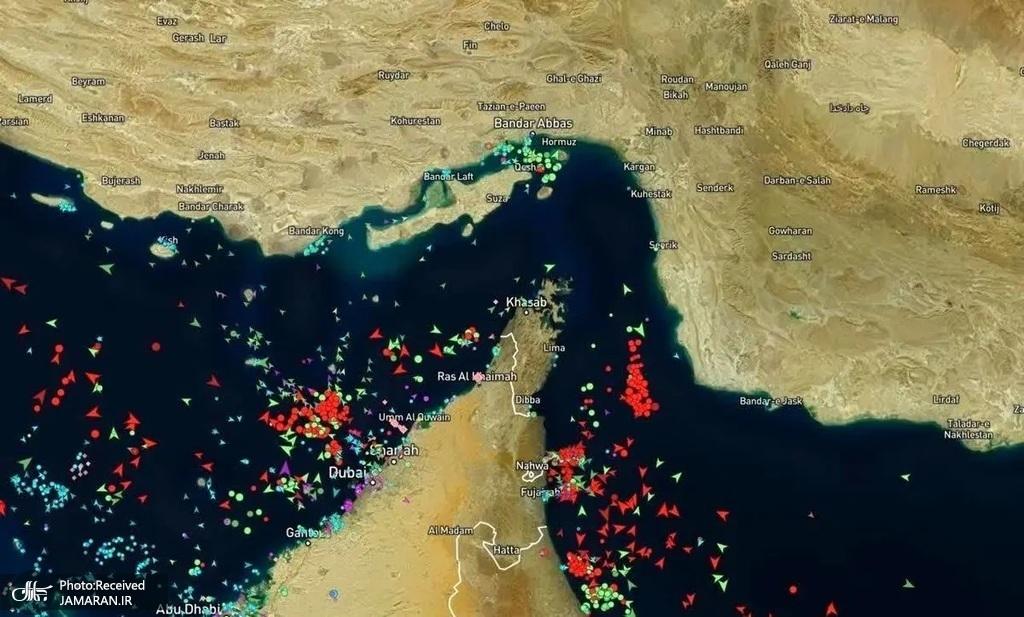
The U.S. Department of the Treasury’s Office of Foreign Assets Control sanctioned two Iranian companies it said operate coercive maritime “insurance” schemes in the Strait of Hormuz, accusing them of extorting commercial vessels and using the proceeds to fund the Islamic Revolutionary Guard Corps (IRGC).
“"Through the Persian Gulf Marine Insurance Company and HormuzSafe Marine Services Authority, the regime brokers IRGC-approved policies"”
In a statement, the Treasury Department said: "Through the Persian Gulf Marine Insurance Company and HormuzSafe Marine Services Authority, the regime brokers IRGC-approved policies" to extract revenue under the guise of maritime services.
CBS News added that the State Department announced sanctions on entities it alleges are involved in a scheme to extract fees from ships transiting the Strait of Hormuz, accusing them of “running coercive 'insurance' schemes that extort international shipping transiting the Strait of Hormuz.”
The conflict’s expansion also intersected with shipping and energy infrastructure, with Ambrey saying drone strikes ignited fires on a U.S.-owned floating storage facility and a Greek-owned tanker at Damietta, while CNN said vessel traffic through the Strait of Hormuz remained heavily depressed.C
AP warned that a strike by Iran or its allies, if confirmed, would mark a significant widening of the conflict, underscoring the difficulty of winding down a five-month conflict that has jolted the world economy.