Iran03 October, 20262 min read
Iran Pilots Biometric Emergency Fuel Card Token With 1,000 Tomans Fee In Tehran
This article is an automated aggregation of coverage from news outlets. Our editorials offer in-depth analysis curated by the NewsCord team.
1,000 tomans charged to obtain emergency fuel card token, in addition to fuel cost. Token enables purchase of 25 liters of unleaded gasoline at 54 Tehran stations.
5 outlets told this the same way.
Outlets did split on Iran Reviews US Negotiation Proposals As Pakistan And Qatar Mediate Strait Of Hormuz Dispute →
Token fee and limits
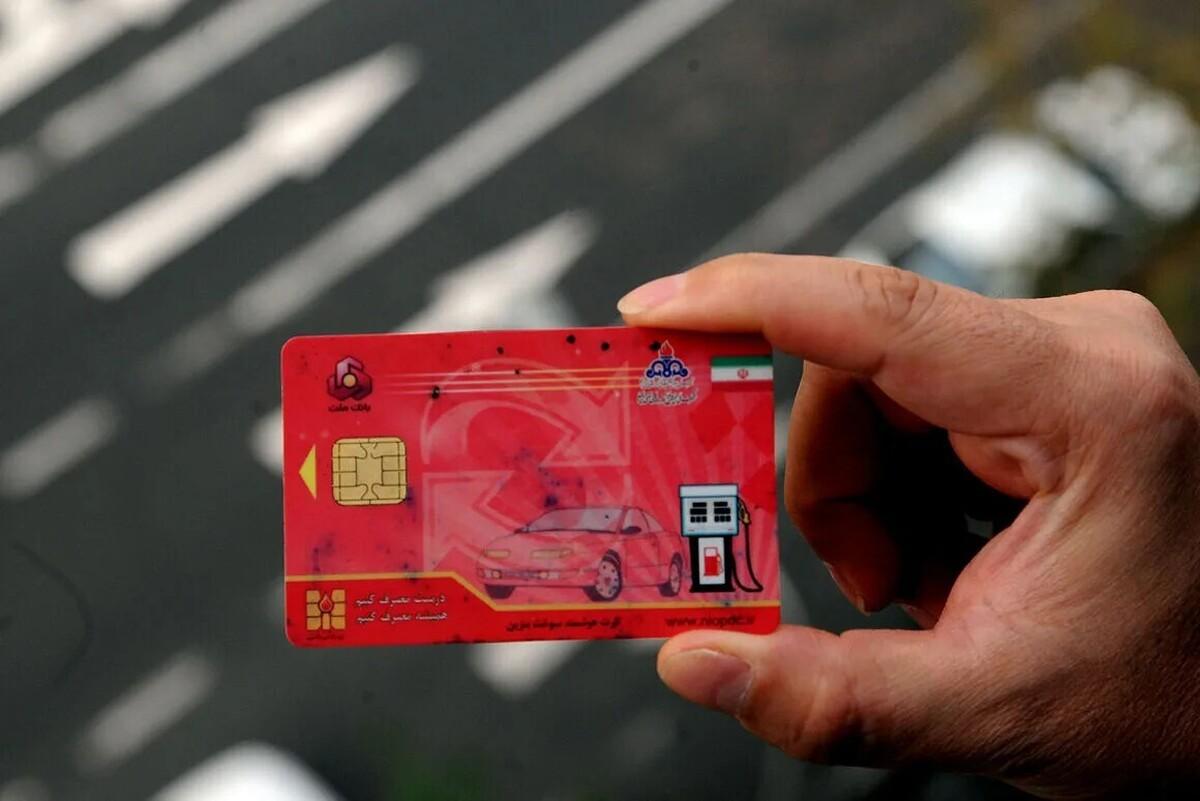
Iran’s emergency fuel card biometric labeling rollout requires a fee of one thousand tomans to obtain the emergency card, on top of the ten thousand tomans needed to purchase gasoline. The emergency card token is sent each time under the label token, and the station card allows the buyer to purchase up to twenty-five liters of gasoline per fueling. The plan uses a token described as a digital credential tool for authentication, accessing the quota, and conducting fueling operations, including identification and recording of the driver’s fuel quota and fueling transactions.
The new access method relies on a token provided to the consumer via a bank card or mobile application, and it is implemented experimentally at some fuel stations. The National Iranian Oil Refining Company said the biometric labeling of emergency station cards would be piloted in Tehran at two fuel stations before a wider rollout.

New POS code flow
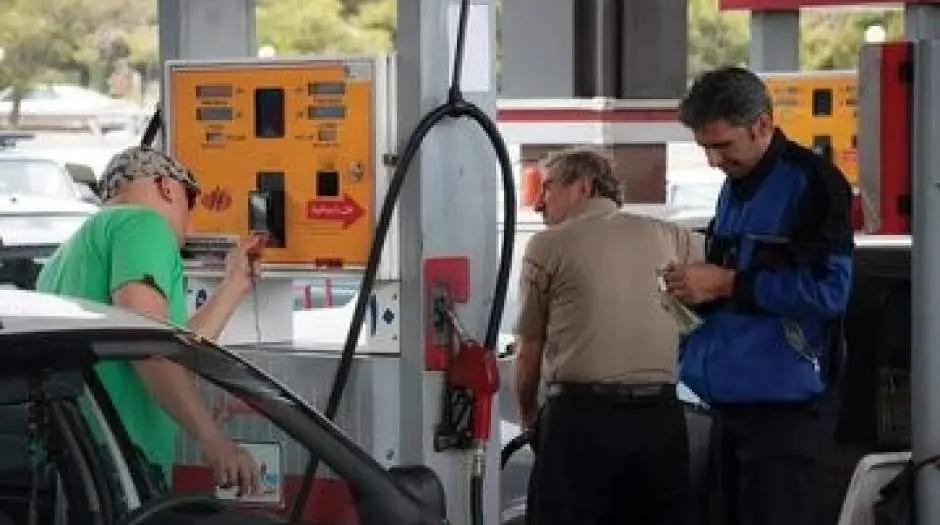
The biometric labeling plan changes fueling at stations by using new POS terminals for emergency card transactions. The applicant first places their bank card on the POS, selects the required literage, enters the bank card PIN, and then receives an immediately generated four-digit code. After the four-digit code is generated, the emergency station fuel card is inserted into the device and the four-digit code is entered to complete the fueling process.
The plan is described as only generating the emergency card code, with fueling performed with a single code. The head of the Smart Fuel System said the plan to authenticate emergency fuel cards has been implemented at some stations in Tehran and is set to be rolled out nationwide within three months.
Traceability and data
The plan aims to make emergency fuel card transactions traceable so that it is identifiable who used the card and with what details. The system is described as making it clear how much gasoline each individual buys with emergency station cards, because it ties fuel purchases to bank cards. The National Iranian Oil Refining Company said fueling with emergency station cards accounts for roughly forty percent of the country’s total gasoline consumption.
The plan is also described as making information about the purchaser’s identity accessible to the government, rather than making fuel purchases easier for citizens. The emergency card passwords at the stations were fixed as “1111,” but the new model issues a new four-digit password titled a token each time the card is used.