Full story
Hormuz talks and Trump
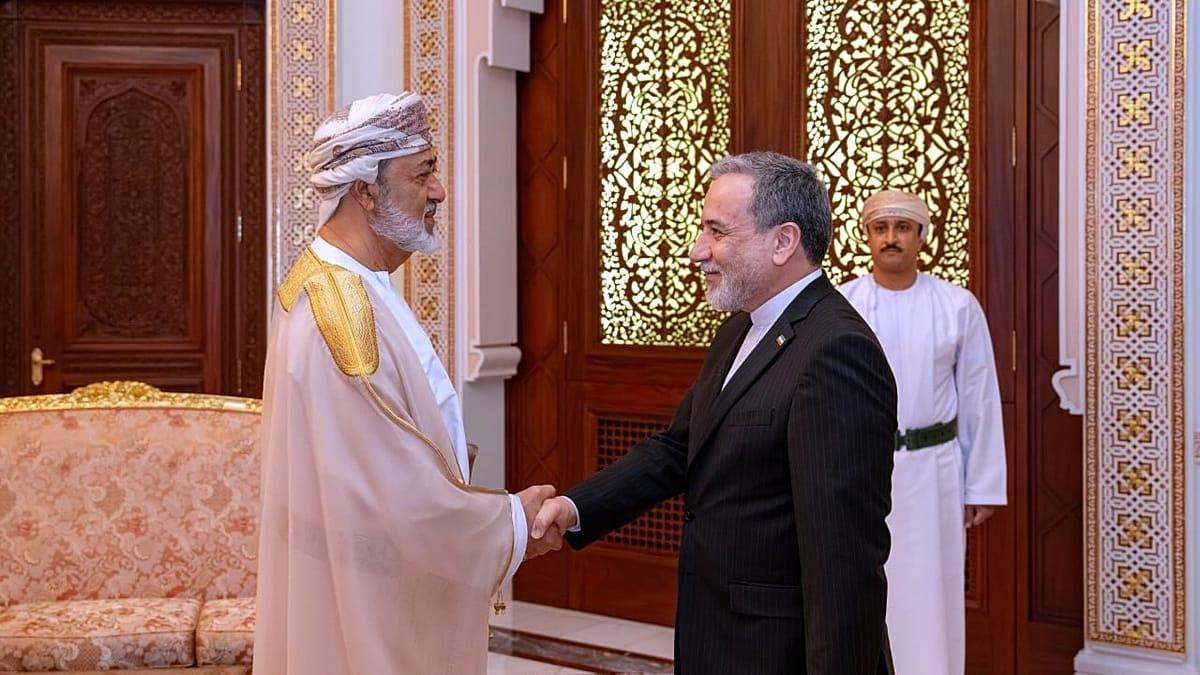
Iran’s Foreign Ministry said it held talks on the Strait of Hormuz with Saudi and Omani counterparts, with Iranian Foreign Minister Abbas Araghchi making separate phone calls with Saudi Arabia’s Faisal bin Farhan and Oman’s Badr Al-Busaidi.
The calls “emphasized the need to strengthen cooperation and advance joint diplomatic efforts to establish stability in the region,” according to the ministry statement translated by Google.

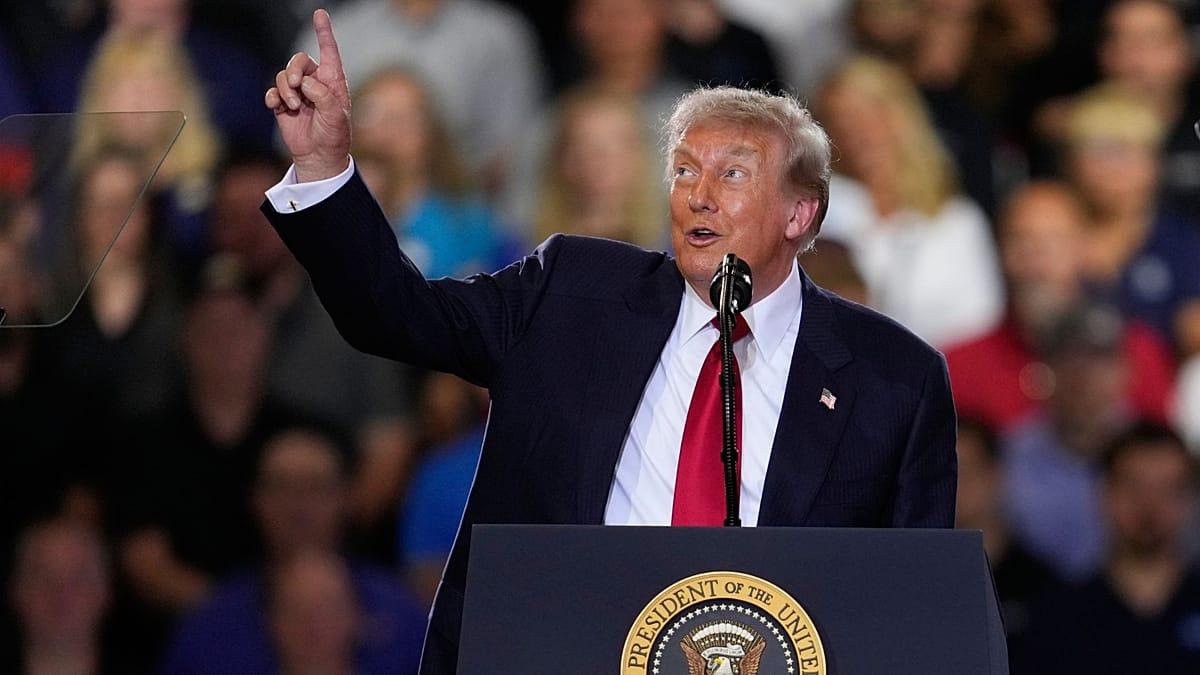
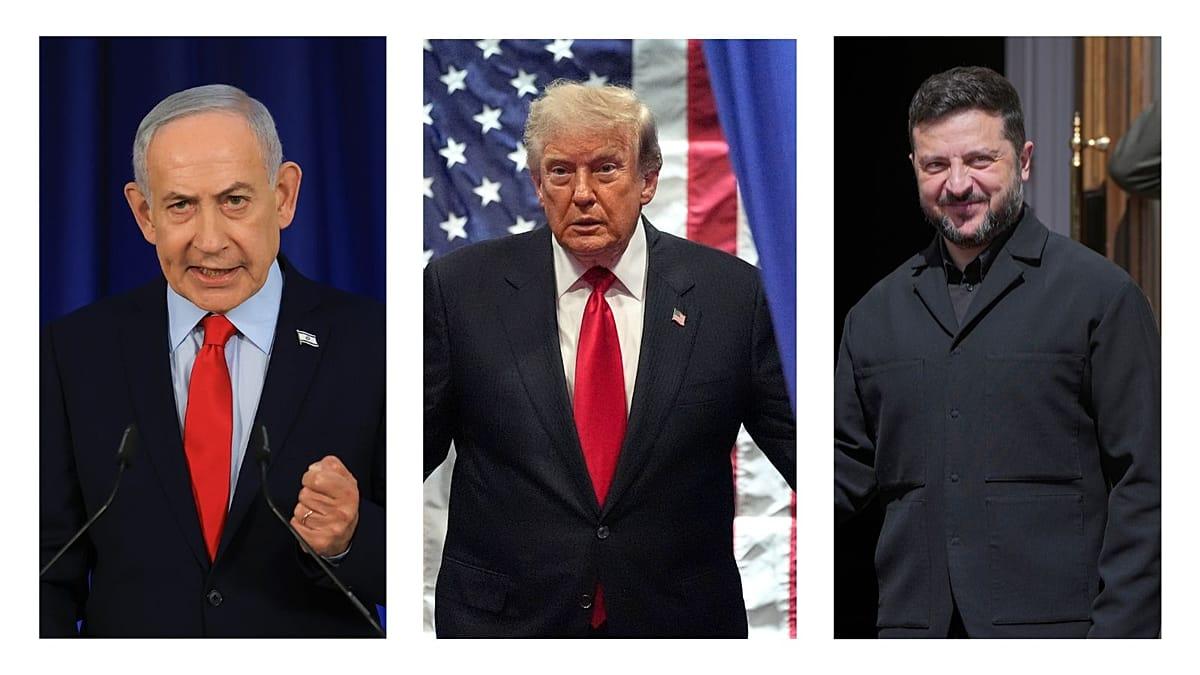
U.S. President Donald Trump hailed “good talks” with Iran late on Monday, while also telling reporters on Air Force One that U.S. strikes will resume if talks fail to deliver progress.
The diplomatic activity unfolded as a pause in U.S.-Iran hostilities appeared to hold after two weeks of strikes came to a temporary halt on Friday, with markets responding positively as stocks rallied and oil prices fell on Monday.
Oman’s voluntary-fee proposal
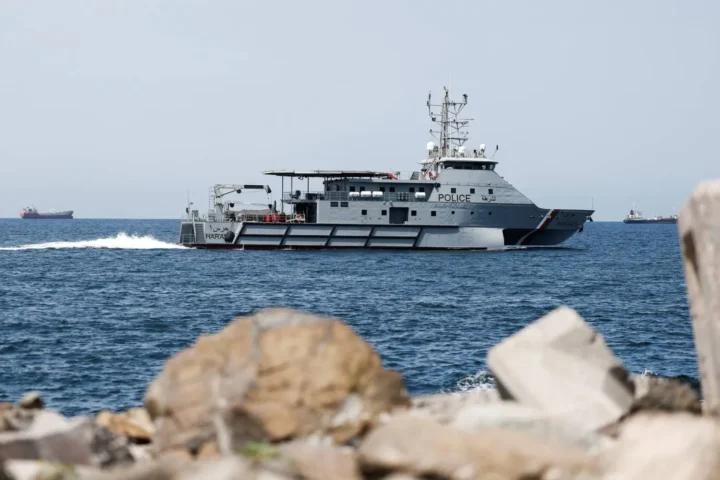
Oman presented Iran with a proposal for a joint regional mechanism to manage the Strait of Hormuz, with voluntary contributions to cover costs rather than mandatory tolls imposed by Tehran.
Reuters reported that the plan is modeled on the Strait of Malacca, where Indonesia, Malaysia and Singapore ask ships to help fund navigation, environmental protection and search-and-rescue operations.
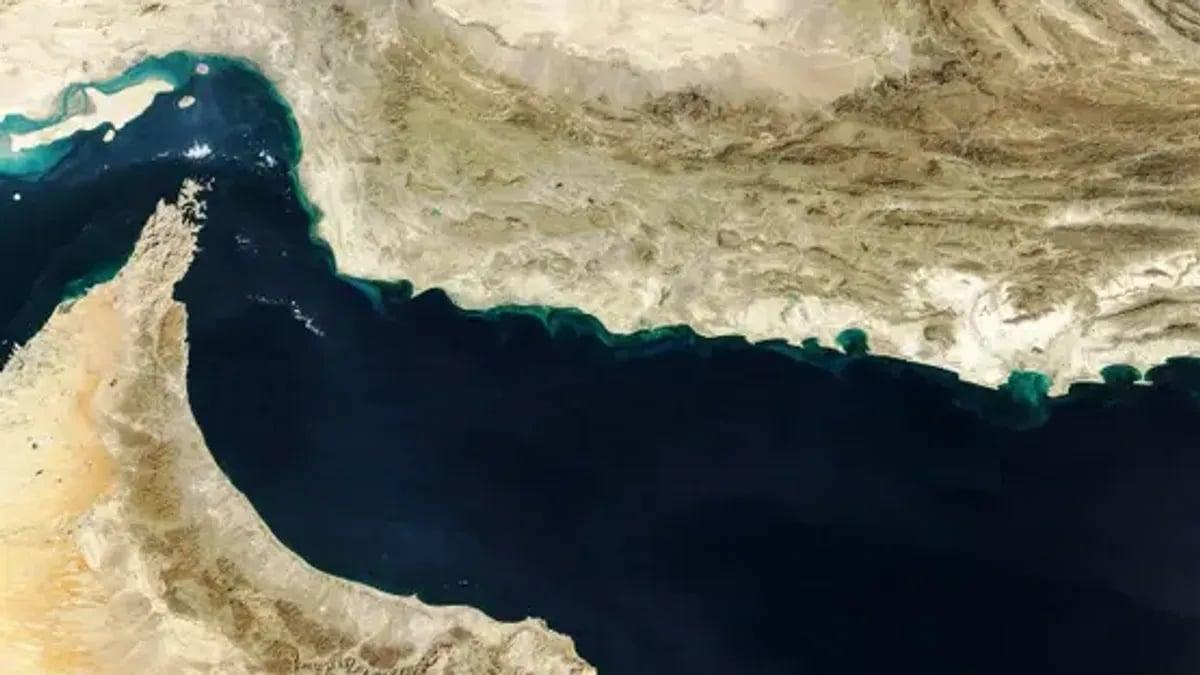
A Gulf source told Reuters that under the Omani proposal Iran would not have exclusive control over the strategic waterway, and a joint supervisory body would monitor vessel traffic and coordinate with regional naval forces.
The proposal also drew attention from the U.N.’s International Maritime Organization, where an IMO spokesperson said, “Any proposal for new shipping routes or traffic management measures should be submitted to IMO for consideration by member states.”
Iran rejects 50-50 plan
Iran International reported that Deputy Foreign Minister Kazem Gharibabadi said Oman proposed a 50-50 arrangement under which the inbound route would be on one country’s side and the outbound route on the other’s, and Tehran rejected that formula.
“Iran and Oman have exchanged proposals regarding the future management of the Strait of Hormuz, as points of contention continue to exist between the two nations whose territorial waters border the strategic waterway”
Gharibabadi said Iran’s alternative was “for one route to lie entirely within the territorial waters of the Islamic Republic of Iran,” so Iran could exercise oversight over both inbound and outbound traffic.
Iran International also said Iran insisted it had not requested negotiations with Washington over the past 15 days, adding that it was the United States that sought talks and conveyed through Oman that it would not carry out military action.
The same reporting described U.S. Navy operations across the Middle East, with CENTCOM saying that as of July 28 it had redirected 18 commercial vessels, disabled two and boarded two while enforcing the blockade.