Full story
Talks, threats, and blockade
Iran’s deputy foreign minister for legal and international affairs Kazem Gharibabadi said Iran “explicitly rejected” a U.S. proposal presented during recent talks in Islamabad, adding that the U.S. delegation threatened to walk away if its proposal was turned down.
“Home | News | World Trump plays down concerns about ammunition shortages and talks of striking Iran again Trump plays down concerns about ammunition shortages and talks of striking Iran again”
Gharibabadi said subsequent discussions were held in Oman after Tehran reimposed a blockade on the Strait of Hormuz more than two weeks ago following U.S. actions, and he said Iran rejected a proposal to keep a southern transit corridor open for commercial vessels until Iran-Oman talks concluded.
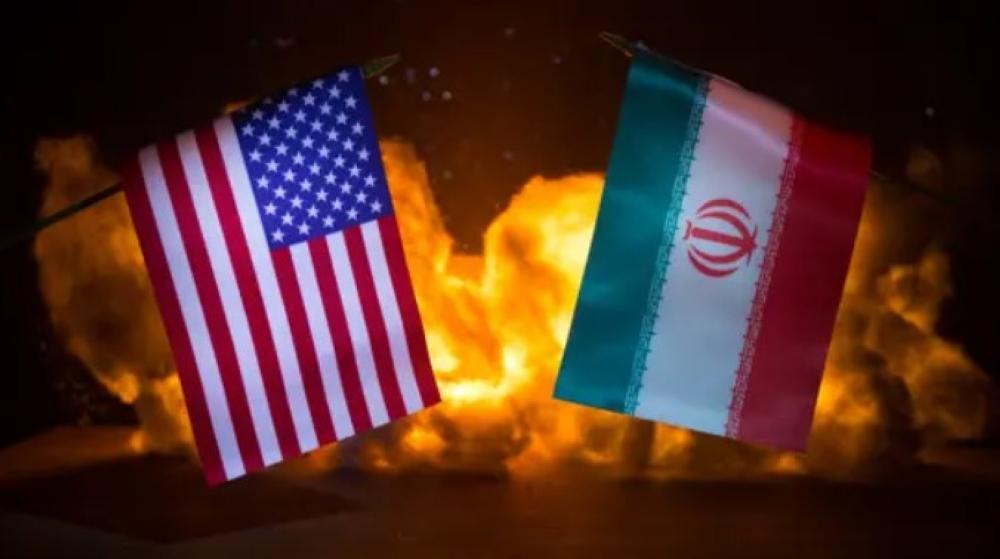
He said Iran “clearly declared that regardless of the negotiation outcomes” its core policy from the onset of the conflict was established and that such proposals were unacceptable.
In parallel, U.S. President Donald Trump said the United States does not rule out a positive outcome in negotiations with Iran but is preparing for an alternative scenario if no agreement is reached, and he said, “If it doesn’t, we go back to doing what we were doing two days ago.”
Competing claims on talks
Iran’s foreign ministry spokesperson Esmaeil Baqaei dismissed as “fabricated” media reports that Iran proposed direct talks with Washington, saying in Tehran on Monday that Iran’s focus is on defense rather than negotiations and that there are no ongoing negotiations with the American side at this time.
Baqaei said the United States violated the memorandum of understanding less than 23 days after it was signed, and he pointed to Paragraph 5 of the MoU as the basis for Iran suspending its own commitments after U.S. attacks began on the 22nd day.
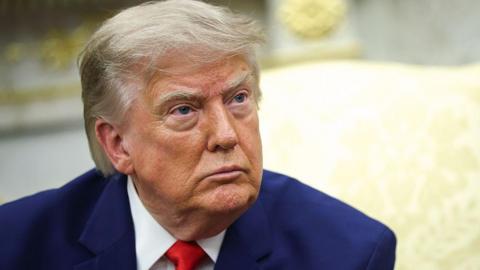
In Washington, Trump told reporters aboard Air Force One that Tehran requested a meeting “through their surrogates and directly,” and he said, “Good things can happen.”
The BBC reported that Iran said there are currently no negotiations with the United States underway and that it “will not allow Washington to determine the timing of war and peace,” while Trump said he ordered a halt to attacks at the request of mediators to give negotiations more time.
What comes next
As the pause in strikes continued, Trump said at the White House that the “smarter strategy” would be to reach an agreement with Iran, adding, “We're talking to [the Iranians] right now.”
“CNN — A senior American official said on Sunday that President Donald Trump is giving some talks a breathing space amid a clear pause in strikes between the United States and Iran”
The BBC said Trump warned that if negotiations with Iran do not yield results, very strong military strikes on Iran will be resumed, and it reported that Iran summoned the French ambassador in Tehran.
In parallel, the Qatari foreign minister Mohammed bin Abdulrahman Al-Thani held telephone conversations with the foreign ministers of Canada, Saudi Arabia, and Jordan on Iran–U.S. negotiations, emphasizing Qatar’s support for efforts aimed at reducing tensions and reaching a comprehensive agreement within the framework of the memorandum of understanding.
ISNA’s Gharibabadi also said Iran’s maritime stance remains strict, confirming Tehran continues to enforce its strict maritime blockade in the Strait of Hormuz even as discussions with Oman continue.