Middle East · 09 August, 2026 · 2 min read
Iran Says Pakistan-Turkey-Saudi Mecca Security Pact Aims Not At Tehran
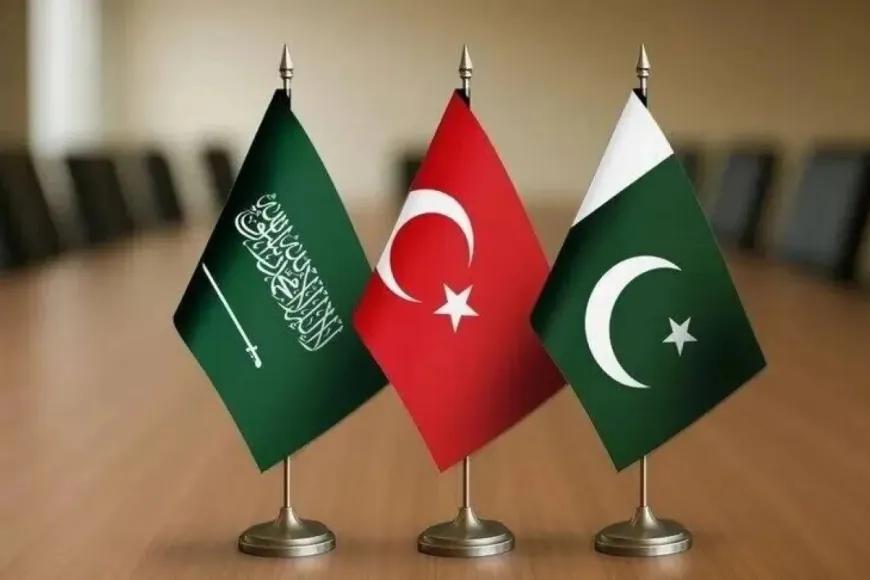
Saudi Arabia, Turkey, and Pakistan signed the Mecca Joint Defense Agreement to deter any aggression. The pact is framed as collective deterrence against threats, not directed at a single country.
Whether the pact is mainly aimed at US/Israel or at Iran.
8 of 10 outlets skipped it: pakistan’s DPM/FM talks pact with Kuwait and Canada.
The Jerusalem Post was read line by line by the Watchdog: 3.4. See the score →
19outlets compared
Same story, two versions
tap a side to read it in full
New Lines Magazine
“It is more serious than many think, for the coming months at least, but unlikely”Read the original ↗
DW doubts the pact works; New Lines says it is more serious short term
Mecca pact and Tehran
Iran’s Foreign Ministry spokesman Esmaeil Baghaei said on Monday that Tehran saw no reason to be concerned that a new security pact between Pakistan, Turkey and Saudi Arabia was directed against Iran. Baghaei said the agreement showed a “change in perception” towards the US and a shift toward greater reliance on states’ own capabilities rather than outside powers.
In a separate Reuters report, Baghaei said the pact showed a shift in regional countries’ approach to security, with greater reliance on their own capabilities rather than outside powers. The Reuters account also quoted Baghaei saying the plan had a chance of helping to strengthen security and prevent instability and abuses by the “Zionist enemy and its allies,” referring to Israel.
Signing in Mecca
Turkey, Pakistan and Saudi Arabia sealed the “Mecca Joint Defense Agreement” on Friday, signing an agreement “intended to strengthen collective deterrence against any act of aggression.” The agreement was signed in Mecca, Saudi Arabia, by Saudi Crown Prince Mohammed bin Salman, Turkey’s President Recep Tayyip Erdogan and Pakistan’s Prime Minister Shehbaz Sharif.
DW reported that the Pakistani foreign ministry said on Friday that an attack on any member would be regarded as an attack on all, while Dania Thafer of the Gulf International Forum described it as an “elastic defense pact.” DW also said that after a Houthi rebel group fired at Saudi Arabian oil facilities again over the weekend, neither Turkey nor Pakistan sprang to the Saudis’ defense, and it said Pakistan was acting as a mediator between Iran and the US.

Regional diplomacy and stakes
After the signing, Pakistan’s Deputy Prime Minister and Foreign Minister Ishaq Dar discussed the Makkah Joint Defense Agreement in separate conversations with Kuwaiti Foreign Minister Sheikh Jarrah Jaber Al-Ahmad Al-Sabah and Canadian Foreign Minister Anita Anand. Arab News said Dar and Sheikh Jarrah exchanged views on the regional situation including Occupied East Jerusalem, and it quoted the Pakistan foreign office saying the two also exchanged views on the regional situation.
In a separate Reuters report, Baghaei said the pact showed a shift toward greater reliance on their own capabilities rather than outside powers, while the Middle East Eye account added that Iran saw no reason to be concerned it was directed against Tehran. The stakes described in the sources also included the US-Iran conflict context, with Arab News saying the pact was signed against the backdrop of the US-Iran conflict that disrupted shipping through the Strait of Hormuz and Red Sea.