Middle East10 August, 20263 min read
First Return Convoy of 650 Serê Kaniyê Families Begins After Seven Years
This article is an automated aggregation of coverage from news outlets. Our editorials offer in-depth analysis curated by the NewsCord team.
First convoy of Ras al-Ayn/Sere Kaniyê begins return after seven years. About 2,500 people from Ras al-Ayn return under Damascus–Kurdish integration deal.
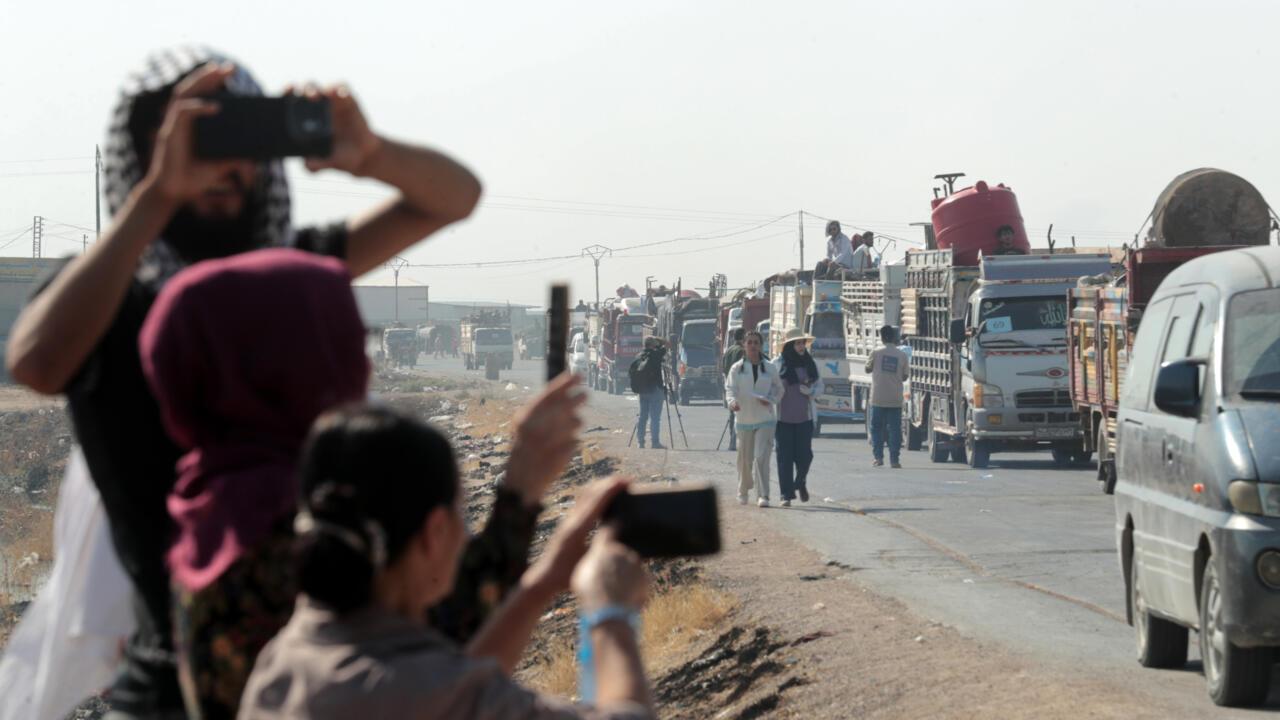
First convoy begins return
Hundreds of displaced families from Serê Kaniyê/Ras al-Ain began returning in the first organized return convoy on Monday, August 10, after seven years of displacement and life in camps. The JINHAGENCY report said the first convoy departed carrying more than 400 families, as security and mine and war remnant clearance operations were completed in Serê Kaniyê in preparation for receiving returnees and securing return routes. Kurdistan24 put the figure higher, saying the first organized convoy carried around 650 families from Sere Kaniye (Ras al-Ayn) and began its journey home on Monday.
Kurdish officials framed the return as the start of a broader process under a January 29 agreement between the interim government and the Syrian Democratic Forces, with Zahra Simo telling JINHAGENCY that "If no problems arise, a convoy will depart every week toward our city." Kurdistan24 described the convoy as an early test of whether a broader and sustained return can be achieved, with AFP reporting that a first group of about 2,500 people was returning Monday.

Voices, coordination, and protests
On the road toward Ras al-Ayn, displaced residents described the return as a long-awaited turning point, with Noura Khidr (37) telling AFP, "I was waiting for this moment... It’s like a dream; to return home."
The Al-Sharq Al-Awsat report said Joān Isis, the official in the Ras al-Ayn Displaced Committee, described the move as coordination between the Syrian government and the Autonomous Administration, adding, "this step came as a result of the efforts of all parties and the continuous coordination between them".
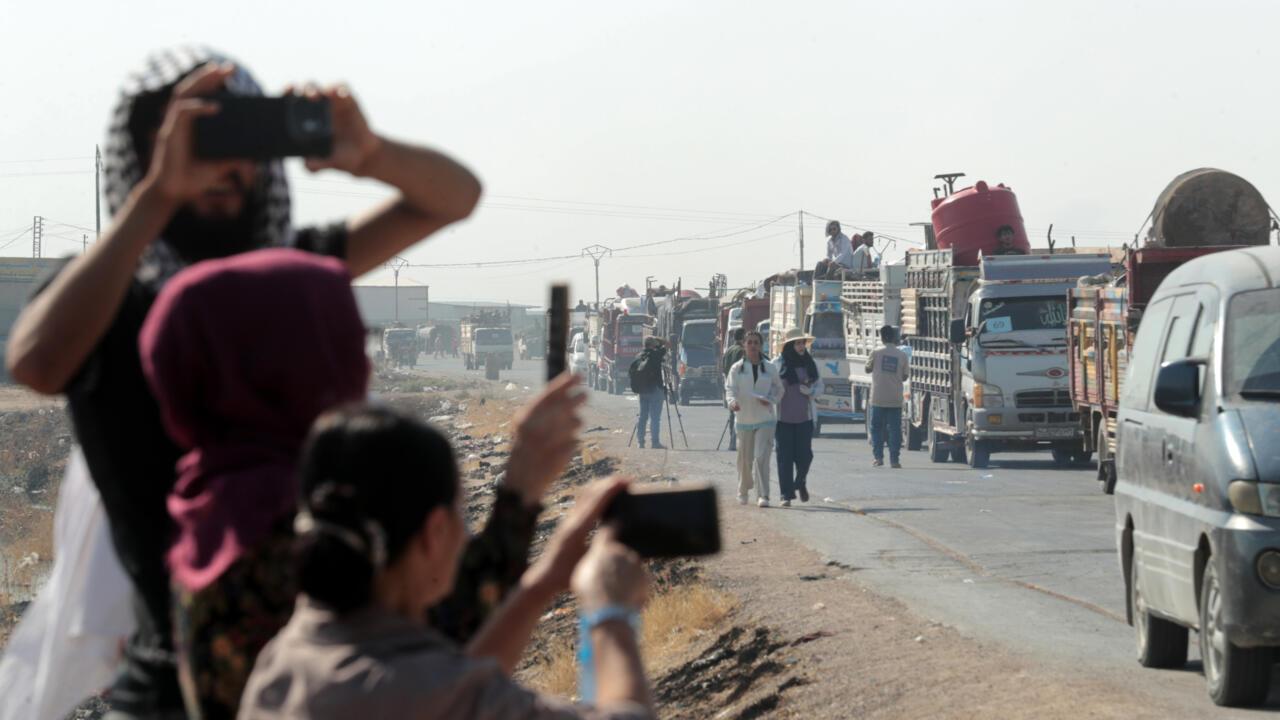
Independent Arabia reported that the return process was fraught with fears tied to housing and security, and it said a convoy of 647 families scheduled to travel to Ras al-Ain was postponed to Monday due to incomplete logistical preparations.
Independent Arabia also described discontent among displaced people over financial assistance, saying officials raised the amount after protests, while Yazi Hesse told Independent Arabia that even multiple payments would not be enough to rebuild her destroyed home.
In the same reporting, Independent Arabia quoted Kurdish MP Mustafa Abdi, saying one of the main reasons for the delay was the ongoing work of specialized demining teams on main roads and villages that are contact zones.
What’s at stake next
Across the reporting, the return is presented as dependent on integrating Kurdish-led institutions into the Syrian state and on protecting property, housing, and land rights for those going back. France 24, citing AFP, said about 2,500 people from the displaced in the Ras al-Ayn area returned to their homes on Monday as the agreement to merge the institutions began, and it reported that a second batch was expected in the coming days. The Ras al-Ayn Displaced Committee emphasized that the return of the first batch is "start of a comprehensive return process and not the end of the file," stressing the need to protect "property, housing, and land rights" and to provide essential services and infrastructure.
Al-Jazirah Net added that mine removal was described as the main and sole challenge, quoting Mustafa Abdi that "mine clearance teams are working to sanitize the area" and linking the safety of the area to whether transport and return can proceed. Independent Arabia further framed the stakes by describing unresolved housing conditions, including a displaced woman’s account that her village home was "completely wrecked due to bombardment and clashes" and that infrastructure such as water, electricity, and sanitation services was lacking.