Business29 September, 20263 min read
Saudi Arabia Resumes Yanbu Oil Loadings After East-West Pipeline Restart
This article is an automated aggregation of coverage from news outlets. Our editorials offer in-depth analysis curated by the NewsCord team.
Yanbu crude loadings resumed after East-West Pipeline restart following drone attacks disrupting flow. Aramco restarted loadings at Yanbu with cargoes scheduled in October.
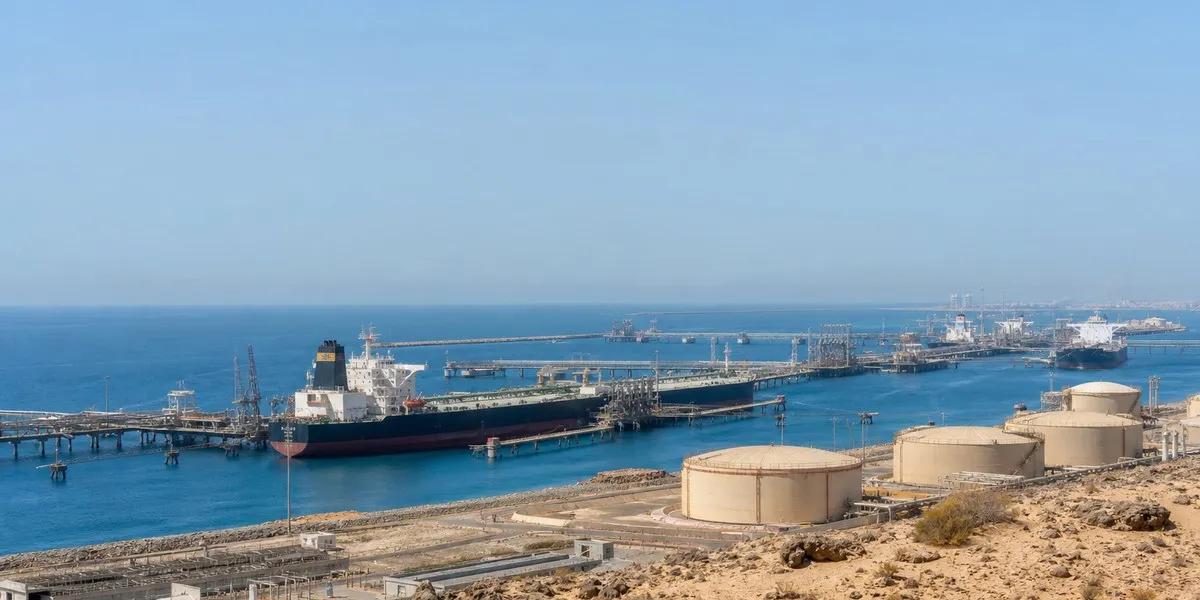
Yanbu loadings restart
Saudi Arabia resumed oil tanker loadings from its Red Sea port of Yanbu after restarting operations on the East-West Pipeline, according to trade sources and shipping data. Saudi Aramco shut the pipeline after a Sep 11 drone attack and halted crude exports from Yanbu, but operations resumed last Tuesday. Saudi Aramco notified customers on Monday evening of its October loading schedule from Yanbu, and an Asian refining source said the refiner loaded a cargo from Yanbu late last week.
European Space Agency satellite imagery captured over the Red Sea on Sep 27 showed Saudi Arabia loading nearly 10 million barrels of crude oil at Yanbu and Al Muajjiz, vessel-tracking firm TankerTrackers.com said on X. Two trade sources estimated crude loadings from Yanbu at about 2 million barrels per day since last week, while Kpler estimated pipeline throughput at around 2.65 million bpd and said it could climb to between 3 million and 4 million bpd in the coming days.

Prices react, exports recover
Brent crude futures fell 2.6% to US$102.59 a barrel on September 29, and US West Texas Intermediate (WTI) crude dropped US$3.22, or 3.5%, to settle at US$89.38 a barrel. The resumption of Yanbu loadings, halted earlier this month after a drone attack on the pipeline, weighed on global oil prices on Monday (Sep 28) as it added to signs of increased flows from the Middle East. Kpler data released on September 28 showed crude exports from Middle Eastern producers had rebounded to 16.328 million barrels per day in September, the highest level since the US-Israeli war on Iran began in late February.
Dennis Kissler, senior vice president of trading at BOK Financial, said, “US/Iran negotiations are also continuing and while seemingly far apart, both are looking for an off-ramp, and as more oil flows through the Middle East, the less bargaining power Iran will have.” The restart of Yanbu loadings added to signs of rising Middle East oil shipments following a recovery in exports via the Strait of Hormuz, and Kpler said crude loadings at Egypt's Sidi Kerir resumed on Sep 22 after a 10-day hiatus.
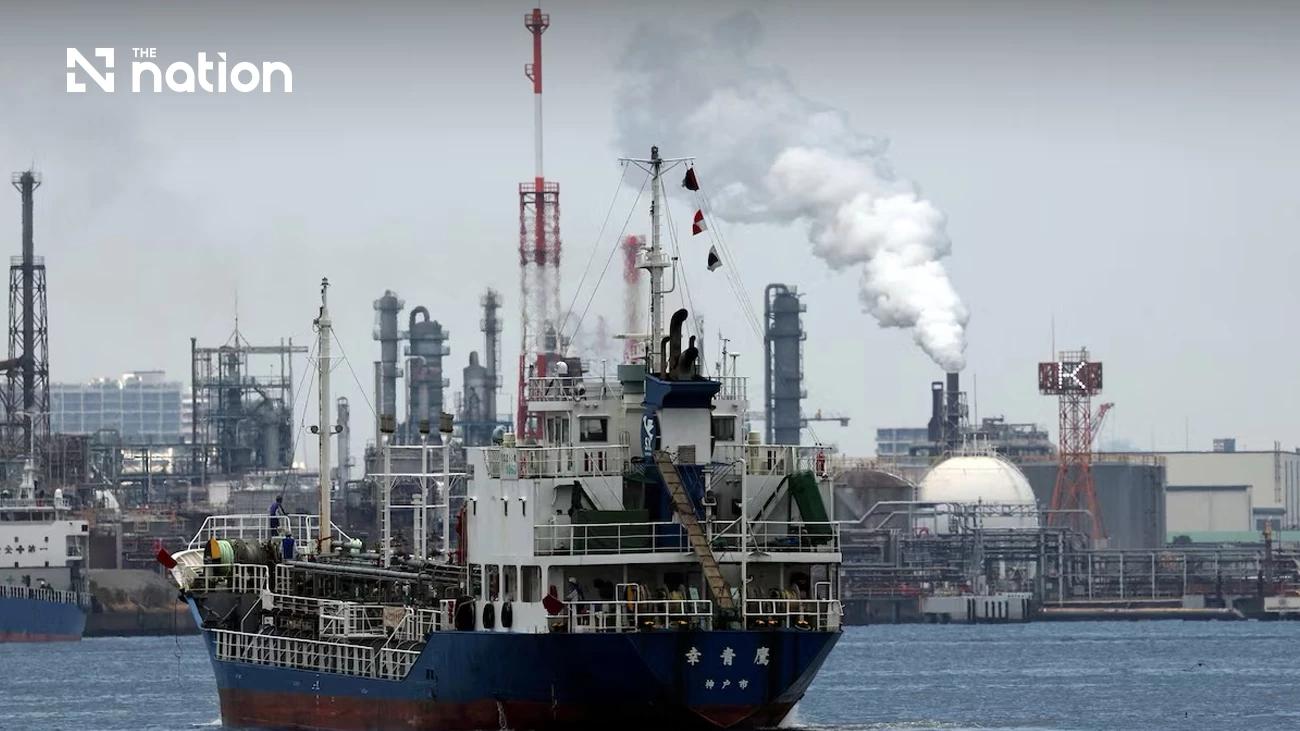
Policy and market stakes
US President Donald Trump denied offering Iran anything to end the war, rejecting reports that Washington was prepared to relax sanctions and release frozen funds. The White House urged the European Union to release emergency diesel stocks to help bring down global prices, and the Trump administration said several EU member countries had released less crude oil and refined fuel from their reserves than they had promised. Trump was also considering regulatory changes permitting wider sales of red-dyed diesel, and two people familiar with the discussions said the proposal could allow some buyers to avoid the federal fuel tax.
Kpler said a full return to the pre-attack rate of roughly 5.5 million bpd could still take another month, while crude inventories at the Yanbu terminal rose by roughly 1 million barrels on Sep 22, the first build since the attack. The Pipeline Technology Journal said the pipeline restart brings total Middle East crude exports to nearly 80% of pre-conflict levels, and it described the East-West Pipeline as a critical alternative route for Middle East oil that circumvents the Strait of Hormuz.