Business · updated 1h ago · 2 min read
Jack Pearadin Finds 6.03-Carat Yellow Diamond at Crater of Diamonds State Park During TikTok Livestream
Jack Pearadin, a Navy reservist, found a 6.03-carat yellow diamond at Crater of Diamonds State Park, Arkansas. Discovery occurred during a TikTok livestream, with collectors valuing it over $1 million.
The diamond's full name and attributed credit.
2 of 3 outlets skipped it: the diamond's 2026 timeline details (late Dec processing, Jan 25 moment).
14outlets compared
Same story, two versions
tap a side to read it in full
Naming differences signal who the outlets credit and how personalised the discovery is.
Diamond livestream surprise
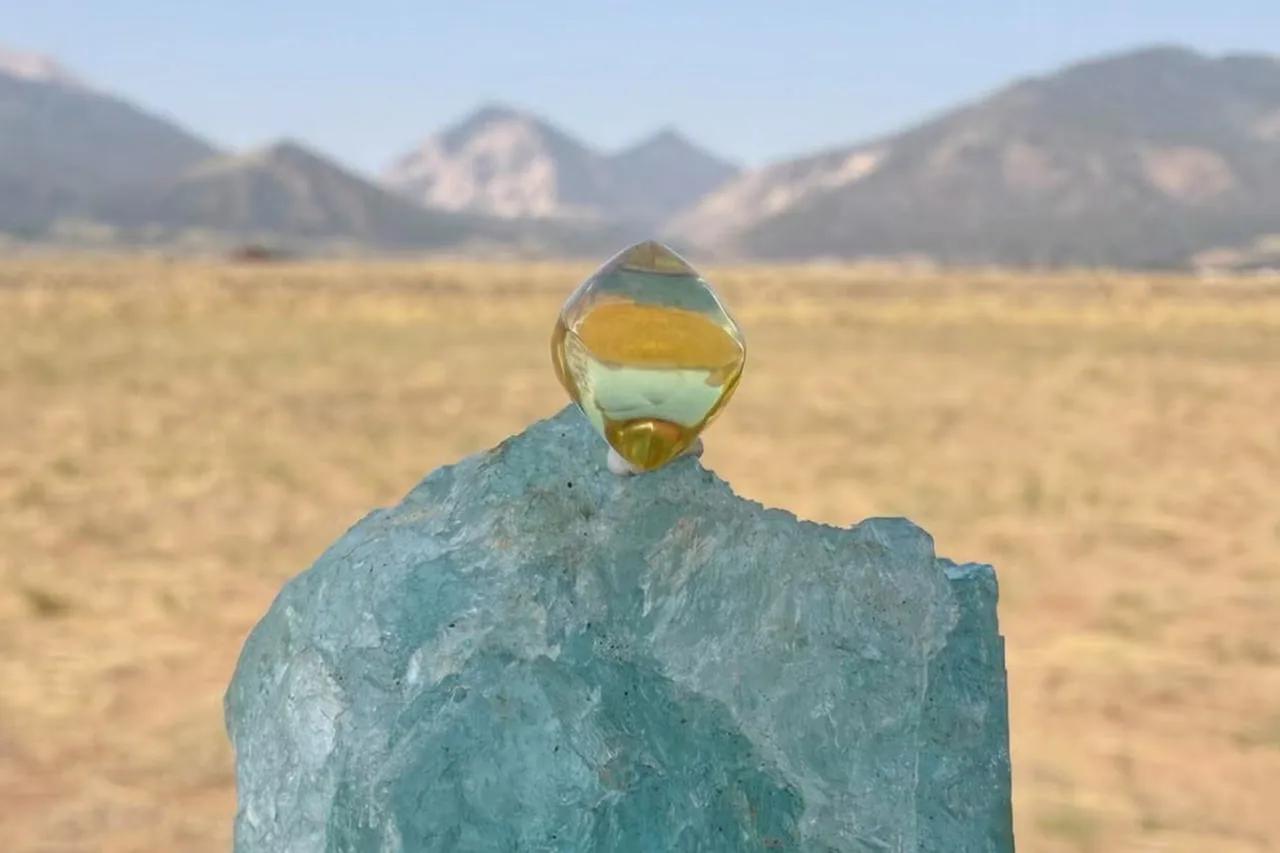
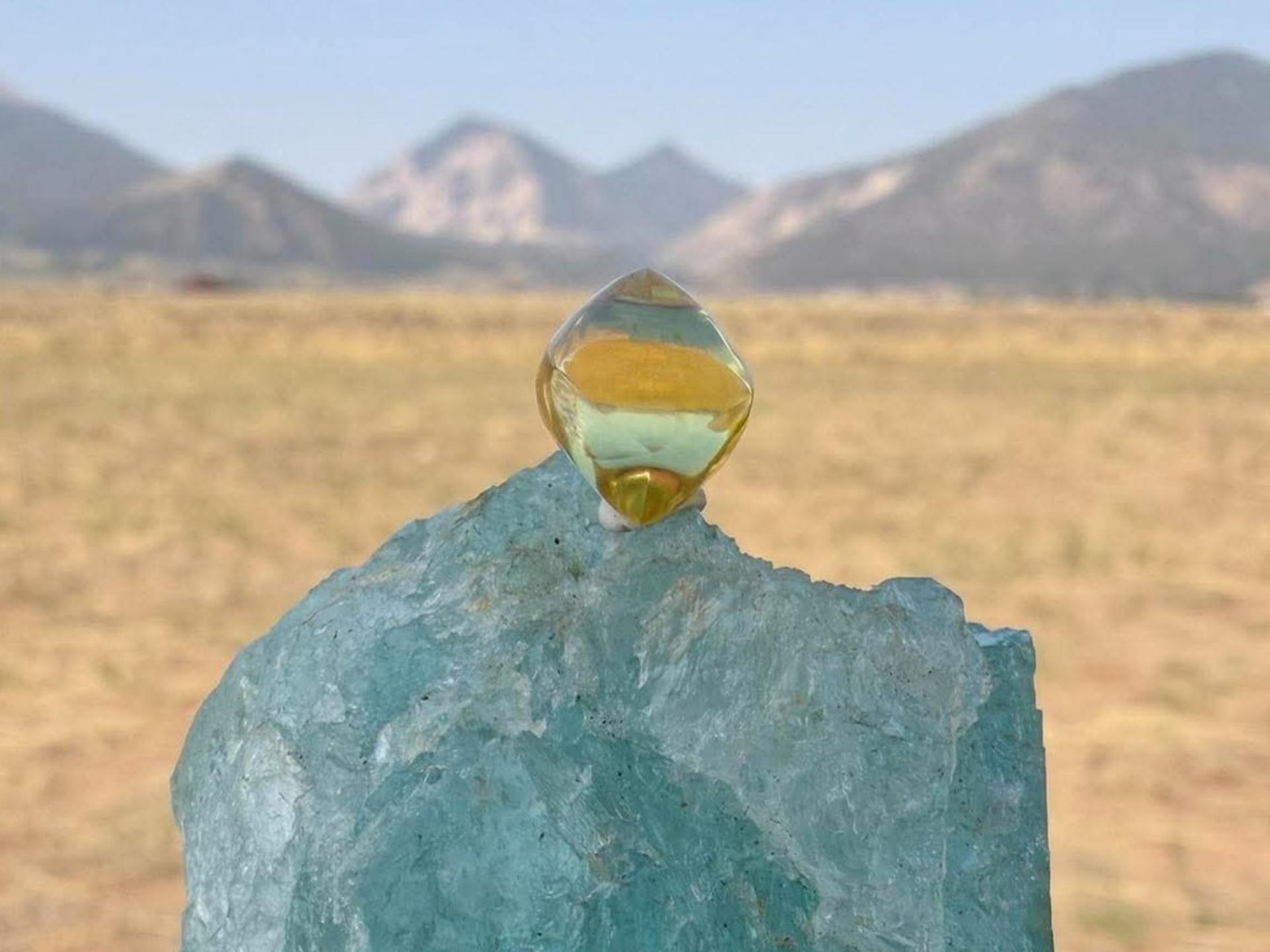
Jack Pearadin, a Navy reservist from Missouri, found a 6.03-carat yellow diamond at Crater of Diamonds State Park in Murfreesboro, Arkansas, after more than a dozen years of searching and after he and his friend Michael Schumacher dug diamond-bearing dirt and processed it into gravel.
Pearadin livestreamed the discovery on TikTok, and he exclaimed, "Oh my God! Oh my God!" as he rinsed the gravel from a bucket and exposed the diamond’s facets.
Pearadin then shouted, "Holy cow, we got a big one!" as he pulled out the roughly fingernail-sized stone, which the park described as the largest diamond found this year at the site.
Collectors told Pearadin the stone could be worth more than $1 million, while appraiser Laura Stanley told The Associated Press that a high-quality six-carat yellow diamond from the park can sell for about $250,000.
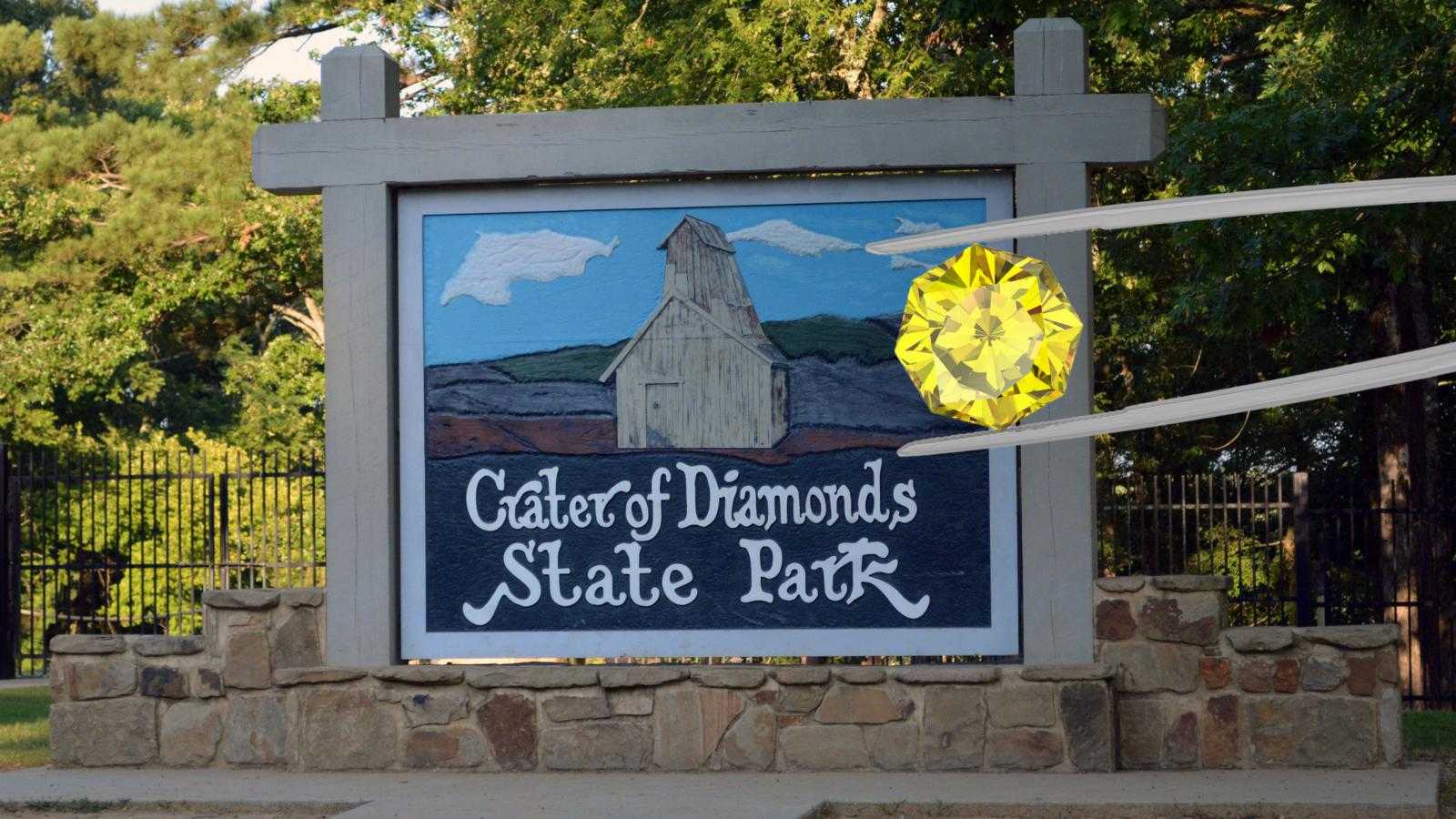
The discovery came as the park, which became a state park in 1972, had already seen more than 37,000 diamonds found there since the former open-pit mine was opened to the public.
Valuation gap and names
Pearadin and Schumacher named the diamond the "American Dream," and Pearadin described it as a massive, gorgeous yellow diamond while he livestreamed the moment of discovery. Laura Stanley told The Associated Press that a high-quality six-carat yellow diamond from the park can sell for about $250,000, and she tied the price to where the stone was found. Collectors discussed a potential $1 million value with Pearadin, but the diamond had no certified grade yet, and the sources described the figure as coming from collectors rather than a confirmed sale price.
The park’s business model also framed the find, because the park charges a $15 entry fee to fill a 5-gallon bucket with rocks and visitors can keep any gemstones they find. Park interpreter Sarah Bivens said between 400 and 800 diamonds appear each year, and the sources described most finds as small and worth far less than Pearadin’s stone.
What comes next
Pearadin said he plans to share the profits with Schumacher, who helped dig the gravel that produced the stone, and he also said he plans to use part of the money to open his own crystal mine. Nathan Renfro, senior manager at the Gemological Institute of America, said the U.S. has only two known primary deposits of diamonds, naming Crater of Diamonds and Colorado’s Kelsey Lake. Renfro described Crater of Diamonds as a “pretty notable operation that it’s available to the public,” and he contrasted it with “Most diamond mines are super high security.”
“It’s a pretty notable operation that it’s available to the public.”
The sources also linked the new find to the park’s longer commercial history by noting that the 40.23-carat Uncle Sam diamond was found in 1924 and was cut and polished into a 12.42-carat diamond donated to the Smithsonian National Museum of Natural History. The sources said the Uncle Sam diamond is on view in the "Great American Diamonds" exhibit, and they framed the park as one of the only places where members of the public can hunt for diamonds and keep what they find.