Iran · updated 2h ago · 2 min read
Iranian Foreign Minister Abbas Araghchi Receives U.S. Feedback On Seven-Day Trust Plan In Doha
Abbas Araqchi received U.S. feedback on the seven-day trust-building plan in Doha. Disagreement centers on the sequencing of steps within the plan.
14 outlets told this the same way.
Outlets did split on Mojtaba Khamenei Honors Nasrallah, Says Hezbollah Banner Now Held by Naim Qassem →
5 of 6 outlets skipped it: iran demanded ceasefire across the Middle East and unfreezing assets.
14outlets compared
US feedback reaches Tehran
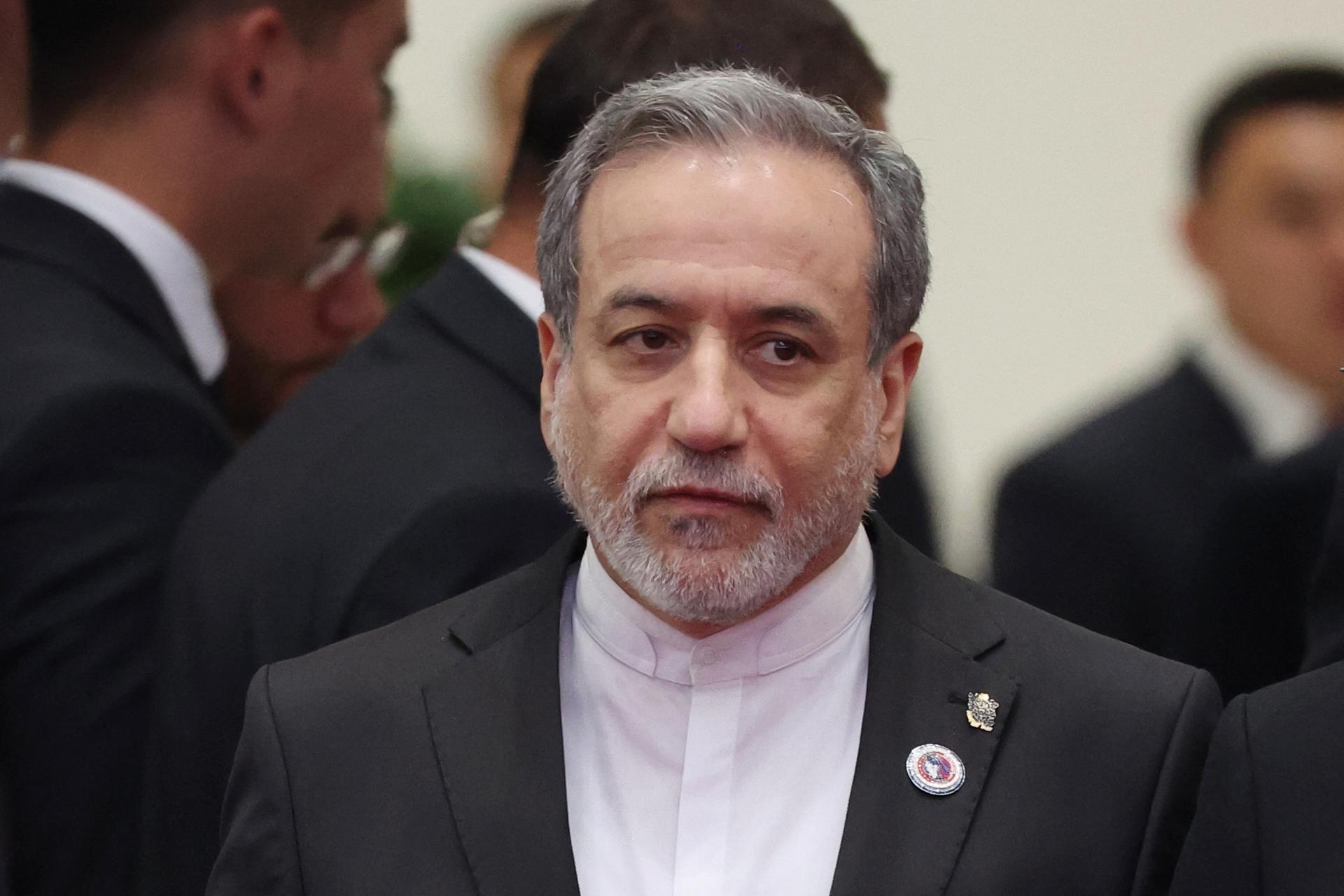
Iranian Foreign Minister Abbas Araghchi received U.S. feedback via Qatari mediators in Doha on Tuesday on a seven-day plan aimed at building trust between Washington and Tehran, with sequencing the main sticking point, Reuters reported. Reuters said the Qatari mediators conveyed the feedback they had received from Washington on Monday, meeting Araghchi and his team on their way back from the United States.
Iranian government spokeswoman Fatemeh Mohajerani told IRNA that at the cabinet meeting the American side's proposal was presented to President Masoud Pezeshkian by Araghchi. Araghchi was expected to discuss the U.S. response in Tehran on Wednesday, as Reuters reported, after Iran last week presented a seven-day proposal under which the Strait of Hormuz could be reopened and normal maritime passage restored if necessary conditions were met.

Hormuz reopening tied to steps
Iranian authorities said the seven-day proposal would take effect upon Washington’s acceptance, with required steps to be implemented within 4 to 5 days, allowing the Hormuz Strait to open on day six and beginning negotiations on day seven. Mohajerani said the American side's proposal was presented to President Masoud Pezeshkian by Araghchi, while Reuters said the document being circulated outlined a seven-day period of trust-building aimed at returning to an enhanced version of the memorandum of understanding agreed in June.
Iran’s proposal included conditions that the United States must implement to reopen the Hormuz Strait within seven days, including cease hostilities on all fronts for seven days, including Lebanon, lift the American naval blockade on Iranian ports, release Tehran’s frozen assets, and lift sanctions on Iranian oil. Reuters reported that the disagreement centered on the sequencing of the steps rather than the components of the plan, as Qatar continued shuttling messages between Washington and Tehran to end the conflict and reopen the Strait of Hormuz.
Trump rejects, talks continue
U.S. President Donald Trump rejected Tehran’s seven-day proposal last Saturday, and Reuters said the rejection prompted further Qatari mediation.
In remarks carried by أخبار الغد, Trump told reporters on Tuesday, “I don't know if they will surrender yet, but they will surrender,” and he added that Iran “is not doing well in the war.”
أخبار الغد said Iran accepted the American response to its proposal for a seven-day confidence-building plan and a path toward ending the war and reopening the Hormuz Strait, while the main points of disagreement between Tehran and Washington focused on the sequence of steps in the plan.
Reuters said Araghchi was expected to discuss the U.S. response in Tehran on Wednesday, as the June memorandum of understanding had led to a brief ceasefire and included provisions on the strait and Iran's nuclear programme.