Iran · updated 1h ago · 2 min read
Iran’s Navy Chief Says Naval Power Safeguards Strait of Hormuz Shipping Routes
Iran's naval power safeguards the Strait of Hormuz and regional shipping routes. Iran says its naval presence maintains lifelines and global trade security.
Whether Iran’s maritime posture is deterrence or diplomacy.
5 of 7 outlets skipped it: houthis block Red Sea shipping and target Israeli-linked vessels.
11outlets compared
Same story, two versions
tap a side to read it in full
PressTV
“Iran’s naval power plays a key role in protecting national interests, regional security and shipping routes.”Read the original ↗
Al Jazeera
“Rubio said he and Prince Faisal discussed ‘our bilateral cooperation in regional security and stability, including in Iran, Gaza, Sudan, and Yemen’.”Read the original ↗
PressTV frames Iran’s maritime presence as responsible deterrence. Al Jazeera frames the same wider theatre through US-Saudi diplomacy and navigation talks.
Hormuz and maritime power
Iran’s Navy commanders framed the Strait of Hormuz as a strategic geography and a key energy and trade corridor, saying Iran’s maritime power safeguards navigation routes and regional security. Rear Admiral Shahram Irani said, “Iran's naval power is a factor in safeguarding national interests, ensuring regional security, and protecting security of communications and shipping lines,” in a message on World Maritime Day.
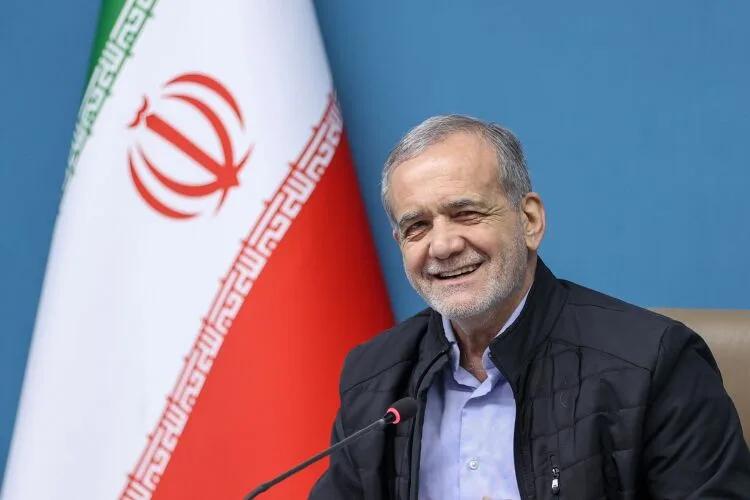
President Masoud Pezeshkian described the Strait of Hormuz as “one of the most important maritime passages” and said Iran’s approach to the waterway is “responsible and based on preserving the security, stability and interests of the countries of the region.” Iran’s messages also linked maritime security to deterrence and responsibility, with one message asserting that “Islamic Iran’s naval power is not a force used to threaten nations or sow insecurity; rather, it is a responsible authority dedicated to safeguarding the stability and security of maritime navigation.”

Regional cooperation and threats
Masoud Pezeshkian argued that Iran’s enemies are focused on creating and deepening divisions inside Iran, and he said “The enemies that have attacked Iran today understand that they cannot make the Iranian people surrender through war.” Pezeshkian also said unity, solidarity and public participation would enable Iran to “thwart all the enemies’ sinister plots and can overcome our problems,” while he called for collective efforts so “production does not come to a halt.”
Hassan Beheshtipour said durable regional cooperation in the Persian Gulf is not feasible without considering the interests of the United States and China, writing, “no durable regional cooperation model can be designed and implemented without considering the interests of these two major global powers.” Beheshtipour argued that regional cooperation should be aligned with the simultaneous positions of the United States and China, saying, “any solution proposed in the remainder of this text must be aligned from the outset with the simultaneous position of the United States and China.”
From Hormuz to the Red Sea
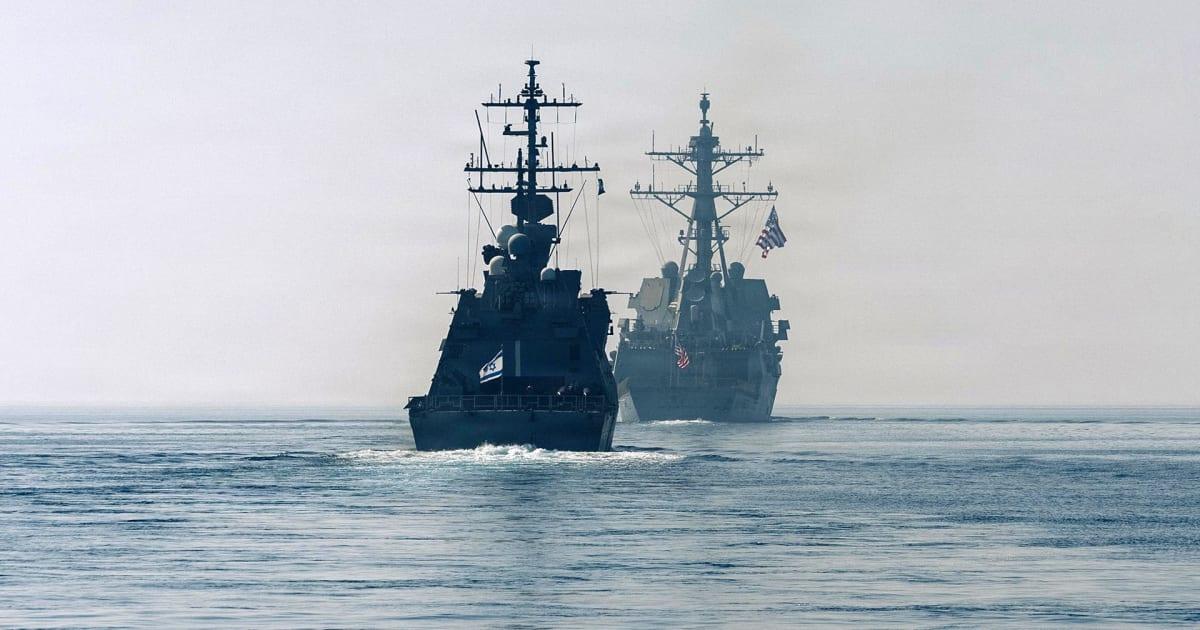
The Council on Foreign Relations described the Red Sea as a second maritime chokepoint as the United States and Iran remain locked in a struggle for control over the Strait of Hormuz. The Council on Foreign Relations said the Houthis seized control of the strategic port city of Mokha and several islands near the Bab el-Mandeb Strait, and it noted that the group banned all Israeli and Israeli-linked ships from transiting the Red Sea, calling them “legitimate military targets.”
Clara Gillispie warned that “the loss of a guarantee of safe passage through the Bab el-Mandeb Strait—much less the Red Sea at large—would represent a further contraction of viable oil and liquefied natural gas trade routes between the Middle East and other regions.” The Council on Foreign Relations also said the Red Sea is “one of the most critical maritime routes enabling global trade,” and it reported that each year approximately 12 to 15 percent of global maritime trade worth more than $1 trillion transits the waterway.