Iran07 October, 20262 min read
Tanker Captains Earn Up To $100,000 Plus $50,000 Bonuses For Strait Of Hormuz Voyages
This article is an automated aggregation of coverage from news outlets. Our editorials offer in-depth analysis curated by the NewsCord team.
Tanker captains receive up to $100,000 base plus $50,000 per voyage for Hormuz crossings. Payments are meant to persuade seafarers to risk attacks and keep Gulf oil flowing.
Al Jazeera was read line by line by the Watchdog: 5.6. See the score →
Bonuses Amid Lowest Traffic
Shipping traffic through the Strait of Hormuz fell to its lowest level since July this week, and the Financial Times reported that tanker captains can earn base salaries of as much as $100,000 plus a $50,000 bonus per voyage through the strait. The Al Jazeera report said Kpler data showed about 40 percent of oil leaving the region is exported via Saudi Arabia’s East-West pipeline or through ship-to-ship transfers by smaller boats traveling undetected through the strait. Kpler reported that the number of detectable vessels passing through the strait fell to its lowest level in more than two months, with only seven vessels passing through the crucial waterway in the previous week, the lowest figure since July 23.
The Al Jazeera report said data is hard to determine because many smaller shuttle boats turn off their transponders to avoid detection when traveling through the strait before offloading oil to larger tankers waiting beyond it. The Al Jazeera report said oil exports from the Middle East rose above pre-war levels at the end of last month despite ongoing attacks on tankers in the Strait of Hormuz.

Pay Scales and “Danger Money”
Shipowners are offering over $100,000 plus bonuses to cross Hormuz as Iran steps up attacks on vessels in the Gulf.
Normal monthly salaries can start as low as $1,500 for regular sailors, while captains’ regular pay is about $15,000 a month while they are in the southern Red Sea and Gulf of Oman.
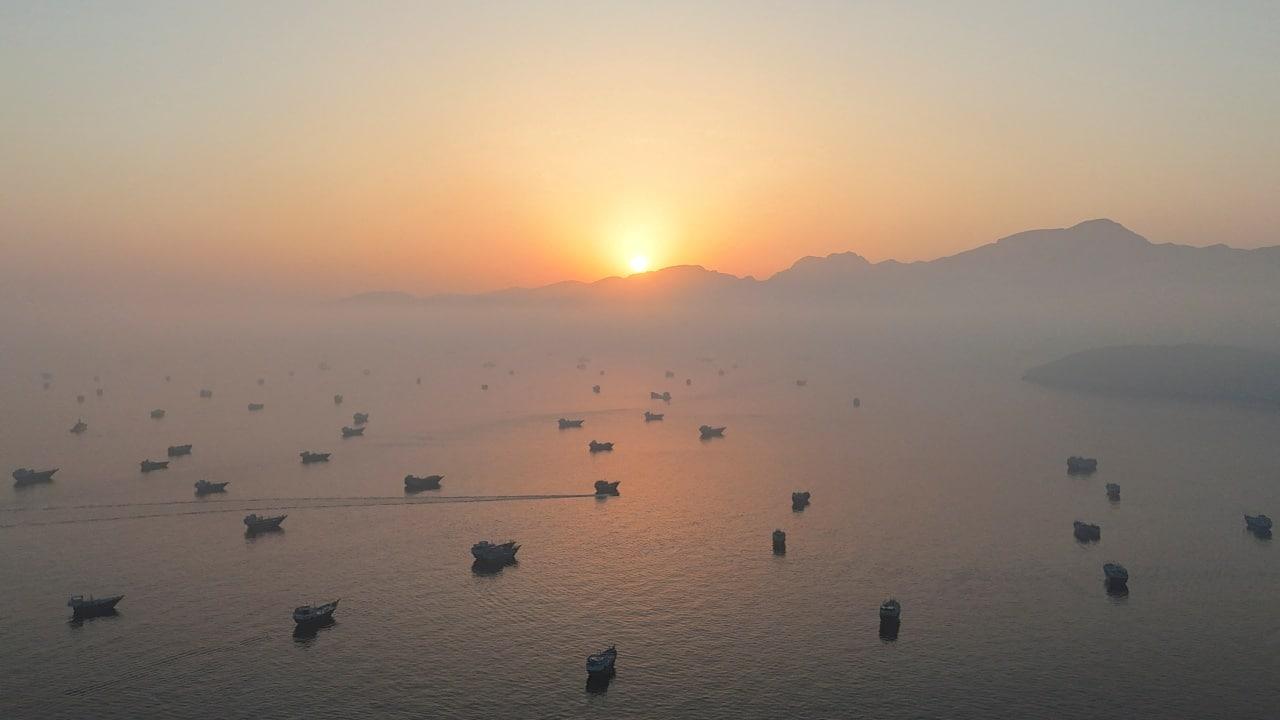
Ordinary sailors receive at least four to six times their normal rates for Hormuz journeys, and the bumper fees are described as “danger money”.
Manoj Yadav, secretary-general of the Forward Seamen’s Union of India, told the FT that shipowners were offering some seafarers significantly higher pay and that owners were also pressuring unwilling crew members by warning they could be replaced if they refused.
“Seafarers are losing from everywhere. If they won’t agree, they may lose their job. If they agree, they may lose their life,” Yadav told the FT.
Casualties, Insurance, and Risk
At least 93 ships have been hit since February 28, while 24 sailors have been killed, according to data from the International Maritime Organization cited by the FT. War-risk insurance for vessels operating in the region is running at 6% to 10% of the ship's hull value, and a supertanker could mean as much as $20 million in war insurance for a single voyage into the Gulf. The price of the fuel oil typically used by supertankers at Fujairah stood at $686 per tonne on Monday, which it said was 67% higher than at the same time last year.
The Wall Street Journal put the cost of a single Strait of Hormuz “shuttle” run at $40 million per trip, and a Chinese crewing agency was offering a $25,000 per-trip bonus for oilers and ordinary seamen. Richard Matthews, executive director of cargo shipping company Oldendorff Carriers, said “Given the millions being made at the moment, [bonuses are] absolutely nothing to the shipowners”.