Full story
Oman proposal rejected
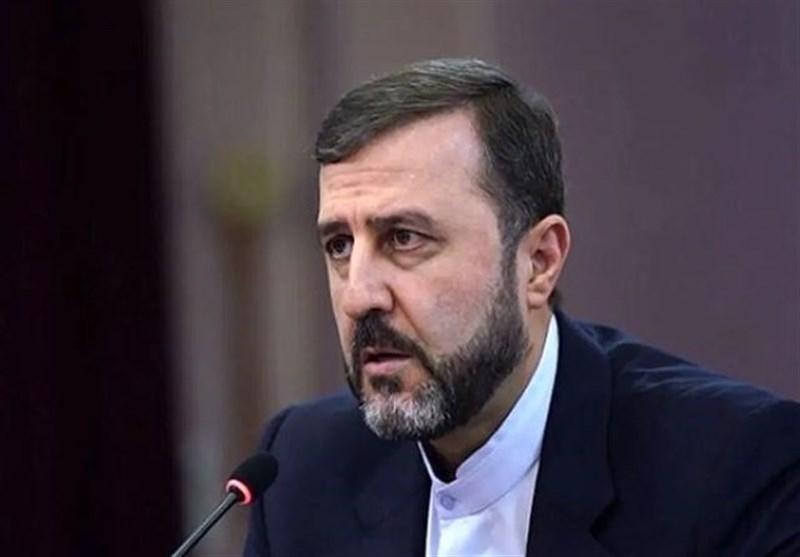
Iran’s Deputy Foreign Minister Kazem Gharibabadi said the Strait of Hormuz will remain closed if Oman rejects Iran’s proposal for a temporary traffic arrangement that would route one direction through Iranian waters and part of the opposite route through Iranian waters.
“Iran's deputy foreign minister said Tuesday that Tehran's final proposal to Oman on reopening the Strait of Hormuz requires one shipping lane to remain entirely under Iranian control and part of a second lane to be also controlled by Iran”
Gharibabadi told state television that Tehran rejected an Omani proposal to divide navigation routes equally, saying the plan does not address Iran’s security concerns without long-term regional stability.

He said Iran does not recognize the southern navigation route near Oman's coastline and warned, “The Strait of Hormuz would remain closed ifOmanrejected Iran's proposal.”
In the same account, the report said Oman presented Iran with a proposal for a joint regional mechanism to manage the Strait through voluntary fees, and that under the Omani proposal Iran would not exercise unilateral control over the vital waterway.
Control of lanes
Gharibabadi said Iran’s proposal requires one shipping lane through the strait to be entirely under Iran’s control and part of a second lane to be also controlled by Iran.
He said the Omani proposal envisioned a route with 50% under Iran's control and 50% under Oman's control, but Tehran rejected the formula.

In his remarks, Gharibabadi said, “This is our definitive position, and Iran will accept no other formula,” and he added that Iran will not recognize the southern route even “for one hour.”
The report also said Iran argued that Article 5 of last month’s memorandum of understanding with the US gives it sole authority over Hormuz arrangements, and that the provision obliges Iran only to establish arrangements for safe and free commercial navigation for 60 days.
Mine-clearing and targets
Iran’s deputy foreign minister said Iran would not allow any third country, even if invited by Oman, to de-mine the Strait of Hormuz, and he framed the stance as a national security issue.
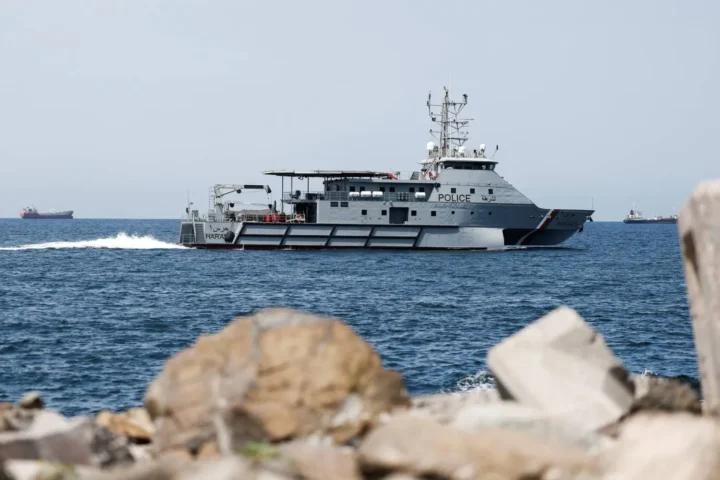
“Iran says 6 ships attempted 'illegal, unsafe' passage through Strait of Hormuz Tehran says vessels had switched off their navigation systems, with 5 redirected to Persian Gulf after another encountered an unspecified incident Seyit Kurt 27 July 2026•Update: 27 July 2026 ISTANBUL Iran said six vessels attempted to pass through an unauthorized route in the Strait of Hormuz early Monday after switching off their navigation and positioning systems, state broadcaster IRIB reported”
He argued that the Traffic Separation Scheme (TSS) adopted by the International Maritime Organisation is currently unusable due to the risk of mines and has been replaced with Iran's northern route and Oman's southern route.
In the same reporting, Gharibabadi said, “This is for national security and not bullying because when the TSS was for 60 years in Omani waters, we didn't say anything,” and he warned that any European warship approaching the Strait of Hormuz would be a legitimate target.
The report also said Iran claimed it has upgraded defensive tools named after the Strait of Hormuz and said the strait has become part of Iran's national security and a defense capacity for Iran.