Iran02 March, 20262 min read
Iran Strikes QatarEnergy Facilities With Drones, Forcing Halt to LNG Production
This article is an automated aggregation of coverage from news outlets. Our editorials offer in-depth analysis curated by the NewsCord team.
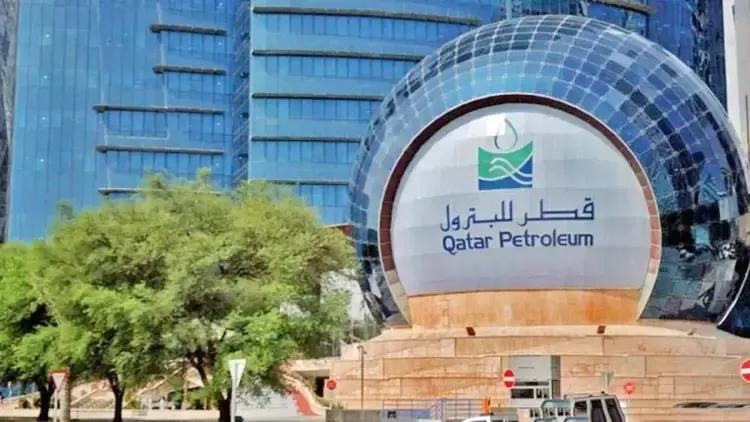
Iranian drones struck QatarEnergy facilities at Ras Laffan and Mesaieed. QatarEnergy ceased liquefied natural gas production and associated products.
21 outlets told this the same way.
Drone strikes on Qatari energy
Iran launched drones that struck two Qatari energy sites—Ras Laffan Industrial City and Mesaieed Industrial City. QatarEnergy said it has halted liquefied natural gas (LNG) production and associated products.
“Qatar halted liquefied natural gas (LNG) production after Iran launched drones that struck two Qatari energy facilities—Ras Laffan Industrial City and Mesaieed Industrial City—QatarEnergy and the Qatari Defense Ministry said. There were no reported casualties.”
Qatar’s Defence/Ministry of Defense confirmed two drones struck the facilities and officials reported no casualties. QatarEnergy declared force majeure on affected operations, and the company and authorities said damage assessments and further updates are forthcoming.

Energy market price spikes
European natural gas futures and benchmarks surged. British and Dutch gas jumped roughly 45–50%. Asian LNG prices rose about 39%.
U.S. gas futures climbed over 6%. Brent crude also moved higher.

The Dutch TTF front-month rose to about €46.52/MWh. The S&P Global JKM climbed nearly 39% as buyers across Europe and Asia scrambled over a now-tighter LNG supply picture.
Impact of Qatar LNG outage
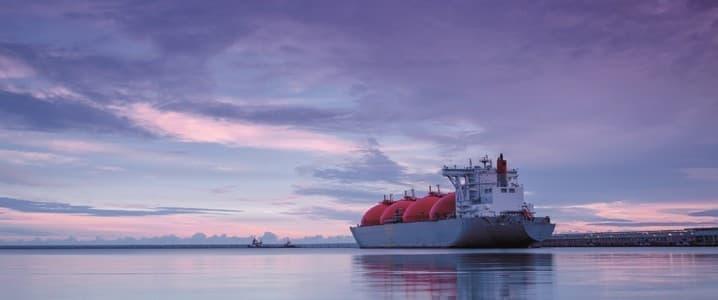
The outage has outsized implications because Qatar is one of the world’s largest LNG suppliers. Analysts and outlets note QatarEnergy supplies about one-fifth (around 20%) of global LNG. Ras Laffan is the world’s largest single LNG export hub.
“The state-run firm — which supplies nearly a fifth of global LNG — said it had ceased production of LNG and associated products; Ras Laffan alone hosts the world’s largest LNG export terminal (77 million tonnes per year).”
The company operates roughly 14 trains. Some reports warned that if all trains were affected the disruption could approach nearly 20% of global LNG export capacity. That would intensify competition for cargoes particularly between Asian buyers and Europe.
Regional escalation and shipping
The strikes occurred amid a broader regional escalation that has disrupted shipping and prompted other strikes or precautions. Reporting indicates intensified Iran–U.S. clashes have effectively choked the Strait of Hormuz, with hundreds of vessels affected.
Saudi facilities, including Ras Tanura, were reported hit or closed as a precaution. There were related incidents across the region, including attacks on a tanker and debris striking vessels, and some casualty reports remain part of rapidly evolving coverage.

QatarEnergy operational update
Authorities and QatarEnergy have provided limited operational details and no firm timeline for resumption. Outlets say QatarEnergy and local authorities are conducting damage assessments.
“After attacks on its facilities, QatarEnergy halted production of LNG and related products, citing security concerns. Authorities are conducting damage assessments and said further details will be released in due course. QatarEnergy emphasized its commitment to stakeholders and pledged to provide updates as more information becomes available.”
They have pledged updates to stakeholders and described the situation as fluid. Some reports noted that public excerpts offered no further detail on the scale of train-level damage or the likely duration of the halt.