Full story
Compensation and Control
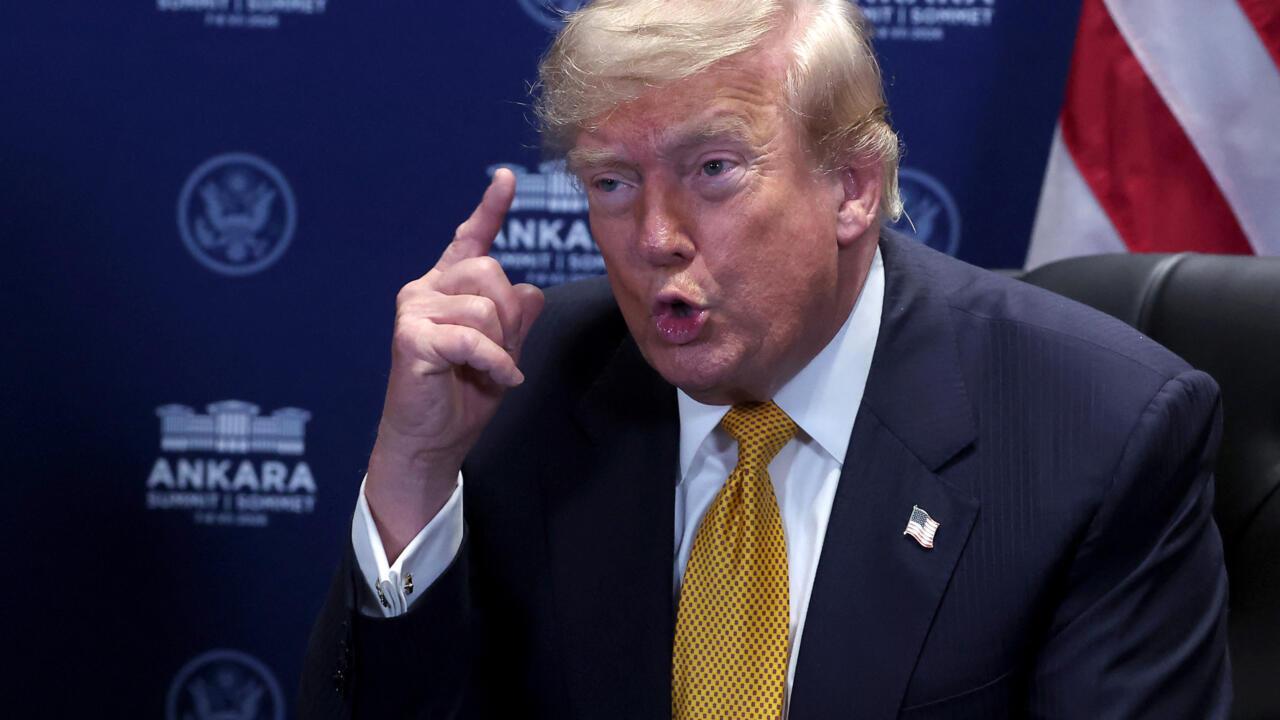
President Donald Trump told Iran that Washington will seek compensation for the victims and the damages it attributes to Tehran, after the Iranian regime demanded compensation from the U.S. for the consequences of the war.
“"It’s an interesting idea because now I also demand compensation from Iran for all the people they have killed and seriously wounded with their bombs on roads”
Trump wrote on Truth Social, "It’s an interesting idea because now I also demand compensation from Iran for all the people they have killed and seriously wounded with their bombs on roads".
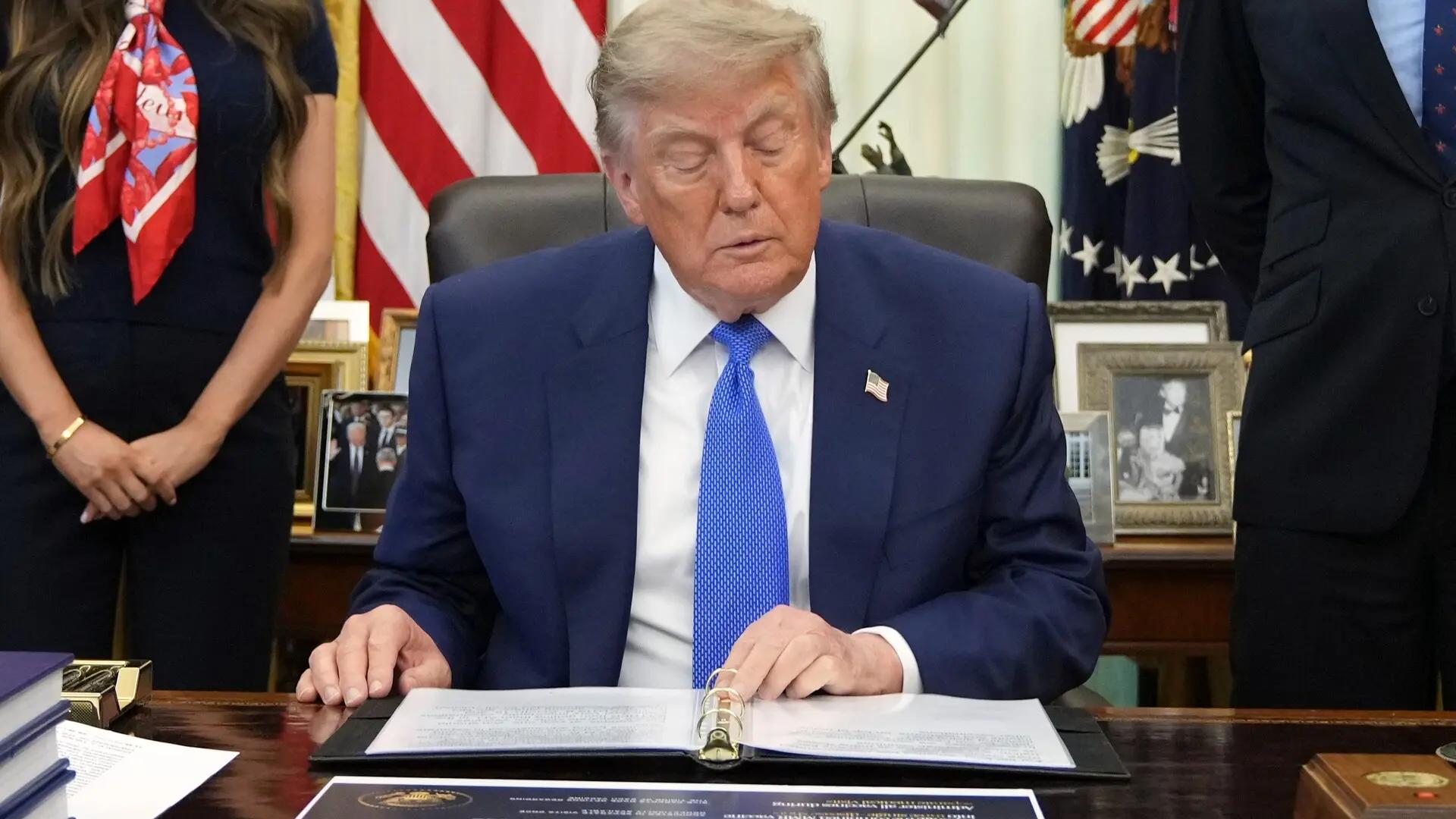
Trump also said during a press briefing in the Oval Office at the White House that "the only one who controls the Strait of Hormuz at this moment is the United States Navy," adding that the U.S. Armed Forces have fully cleared the passage.
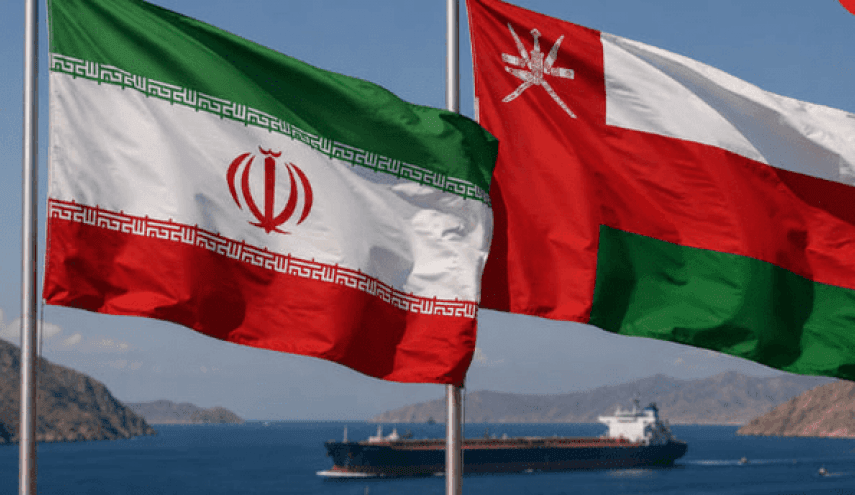
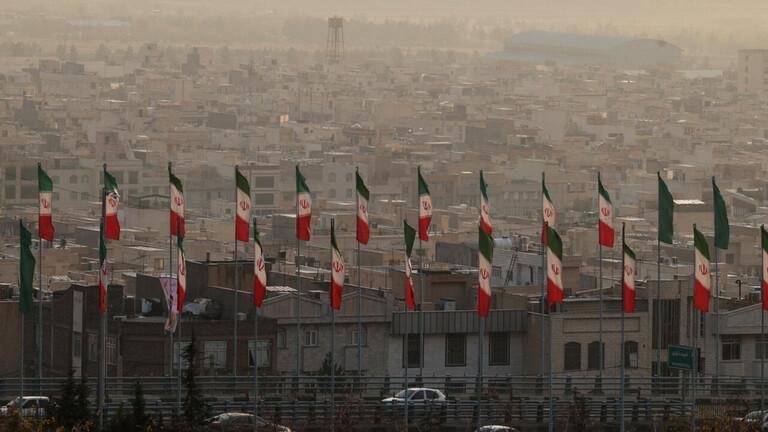
In response to Tehran’s conditions for reopening maritime traffic through the Strait of Hormuz, the U.S. ordered its representatives to incorporate compensation into future negotiations, while Iran’s list included lifting the naval blockade, ending U.S. sanctions, releasing frozen Iranian assets, and compensation for damages from the war initiated by the United States and Israel on February 28 of last year.
Indefinite Blockade, Denied Passage
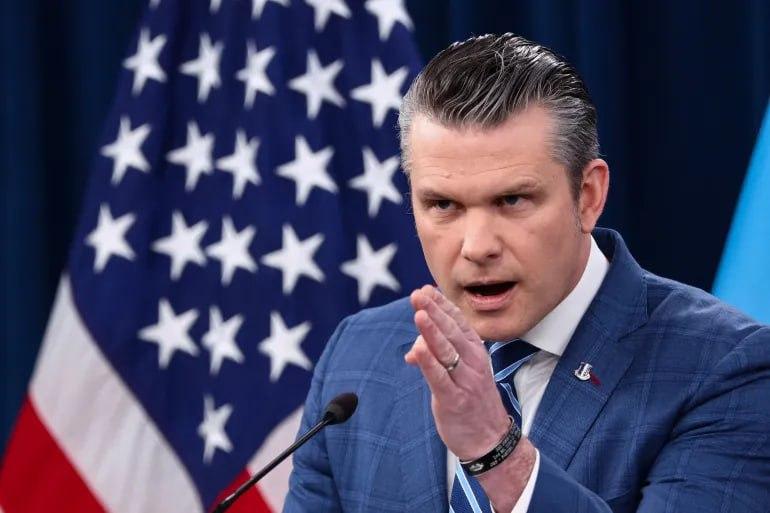
U.S. Defense Secretary Lloyd Austin said the United States can continue the blockade of Iran’s ports as long as needed, telling reporters, "America is capable of continuing the blockade of Iran’s ports as long as required."
Austin added that the U.S. Navy can maintain a blockade for an indefinite period by rotating ships in and out, as Iran’s Central Command spokesperson Ibrahim al-Zoghari denied the claims of routine passage of U.S. ships through the Strait of Hormuz.
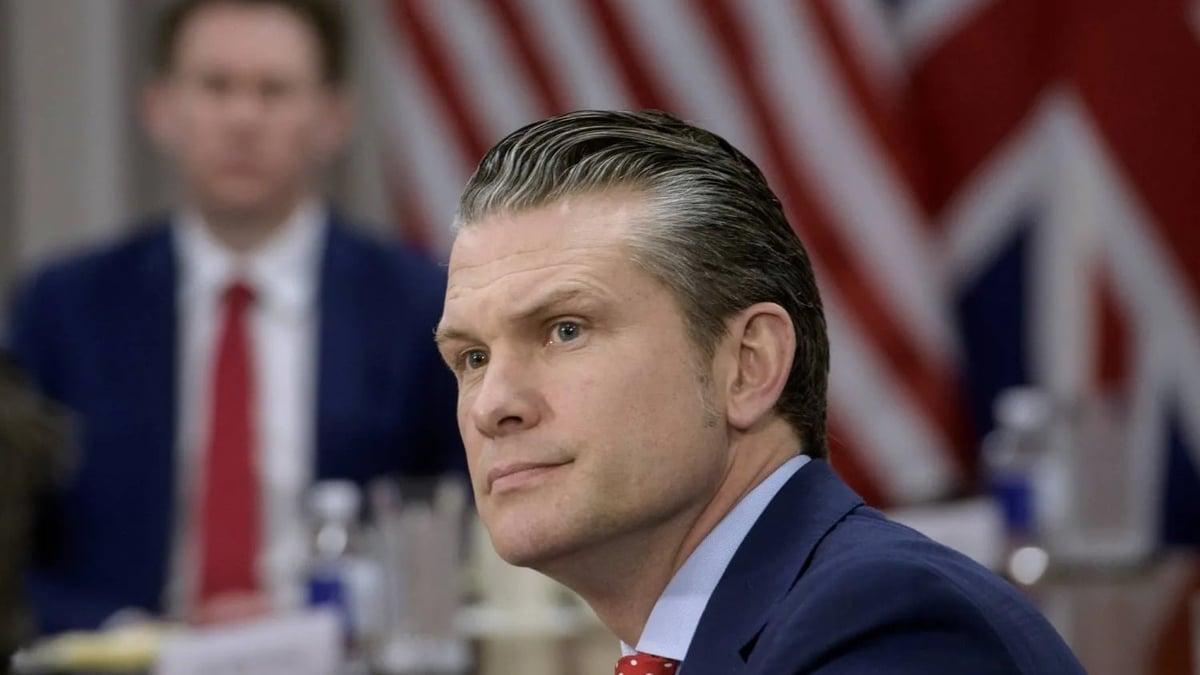
Al-Zoghari said, "the so-called U.S. claims of routine passage of ships through the Hormuz Strait are nothing but lies," while Al Jazeera’s coverage framed Iran’s position as keeping the Strait restricted unless the U.S. meets a series of demands.
Al Jazeera also reported that lawmakers in the U.S. raised alarm over conditions on board the USS Abraham Lincoln, including accounts of sailors trying to jump overboard, as the blockade and ceasefire talks remained in deadlock.
Negotiations, Deadlock, and Stakes
As Washington and Tehran exchange messages publicly, Al Hurra described the dispute as centered on whether the Strait of Hormuz remains closed without Tehran’s approval while the U.S. prevents ships from reaching Iranian ports and Iranian forces threaten or target ships moving without Tehran’s approval.
“"semi-negotiations"”
President Donald Trump told Axios that the United States is engaging with Iran in only "semi-negotiations," while a State Department official said "semi-negotiation allows the United States to remain diplomatically engaged without announcing that it sits across from Tehran negotiating concessions."
Al Hurra reported that Tehran’s publicly stated demands go beyond reopening shipping lanes, including stopping American military operations and threats, lifting the siege and sanctions, paying compensation, and releasing Iranian assets frozen abroad, even as the strait remained closed to navigation without Tehran’s approval.
The stakes in the sources include the risk that the blockade and maritime disruptions keep pressure on both sides, with Al Hurra noting that the strait remained closed and that the U.S. Central Command said Washington deployed more than 20 warships in the Middle East and rerouted 55 commercial vessels.