Iran · 17 August, 2026 · 3 min read
U.S.-Iran MoU Expires Monday as Abbas Araghchi Rejects Restarting Talks
US-Iran MoU expires August 17 with no agreed extension, ending ceasefire framework. Iranian Foreign Minister Abbas Araghchi says restart talks not decided, signaling stalled diplomacy.
Economic pressure vs security escalation as the main likely US path.
7 of 8 outlets skipped it: US expanded European contacts (Austria, Greece) to break deadlock.
The New York Times was read line by line by the Watchdog: 3.6. See the score →
23outlets compared
Same story, two versions
tap a side to read it in full
RANE Worldview
“This does not necessarily portend a major shift in conflict dynamics,”Read the original ↗
ynetglobal frames Iran as preparing wider war; RANE says conflict dynamics may not shift much.
MoU Expires, Talks Stall
The U.S.-Iran memorandum of understanding aimed at ending fighting is set to expire on Monday, with little sign that either side is willing to extend the agreement, which both sides have accused the other of violating for weeks. Iranian Foreign Minister Abbas Araghchi said, “We have not yet made a decision to restart negotiations with the United States,” and he added that mediators from Qatar and Pakistan continued to exchange messages with Iran. The MoU was signed on June 17 by Trump and Iranian President Masoud Pezeshkian following rare high-level talks hosted by Pakistan, and it was meant to bring an end to more than three months of war that had killed thousands and crippled commercial movement in the Gulf.
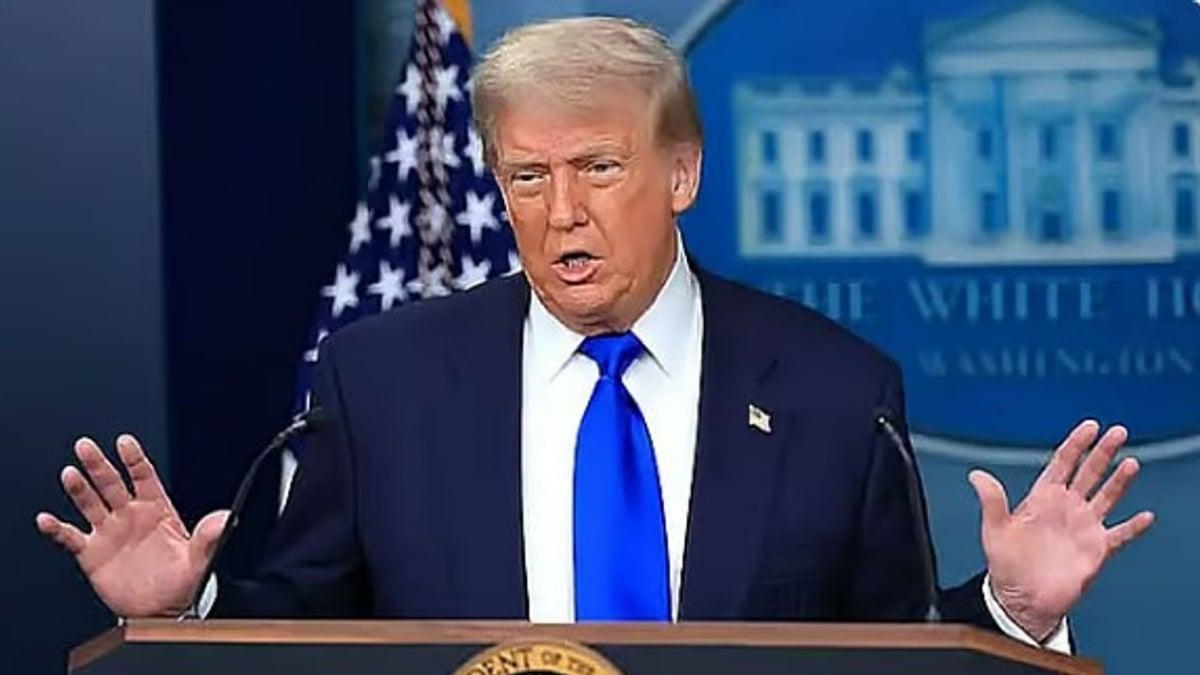
The agreement said Iran and the US would “declare the immediate and permanent termination of military operations,” and it set a “final deal” to be reached in a maximum of 60 days, with UN Security Council endorsement. On the US side, President Donald Trump told supporters in New York on Friday that the US would soon claim the critically important waterway for itself as the deadline approached.
Hard-Liners Prepare Wider War
While Washington and Tehran traded accusations over violations, Iranian hard-liners reportedly distrusted the June truce MOU and prepared for wider conflict with the US, with the Wall Street Journal reporting that the truce was seen as a tactic to buy time for a larger attack. Citing Iranian and Middle Eastern officials, the Journal said hard-liners in Tehran viewed the truce MOU as little more than a tactic to buy time for a larger attack, and they spent the past two months preparing for escalation. The preparations described by the Journal included accelerating missile and drone production, expanding the Islamic Revolutionary Guard Corps’ control, and tightening control over the Strait of Hormuz by attacking ships.
The Journal also said Iran expanded the battlefield to the Red Sea, used as an alternative route after the Strait of Hormuz was blocked, and that communications intercepts and other intelligence showed evidence of a strategic shift within Iran’s leadership. Iran’s IRGC spokesman Sardar Mohebi told Iran’s semi-official Tasnim News Agency, “we made the most of the ceasefire period,” adding that Iran strengthened capabilities and increased missile production and improved missile precision.

Hormuz, Sanctions, and Next Steps
As the 60-day period ends, the dispute over reopening the Strait of Hormuz remains central, with the June agreement calling for the US to end its naval blockade within 30 days and for Iran to clear mines and allow ships to pass “with no charge” for 60 days. The India Today account says the 60-day US-Iran deadline has expired with the Strait of Hormuz still contested, and it describes both sides as “dug in” with no sign of compromise on reopening the strait or of detailed nuclear negotiations beginning. Iran has used the MoU’s vaguely defined role for facilitating traffic to claim control over the waterway, and the India Today report says the clause left open the possibility that Iran could charge fees after the 60-day period.
The Al Jazeera report quotes Mostafa Khoshcheshm, professor at the University of Applied Sciences in Tehran, saying, “The ceasefire stopped and was rendered obsolete after the US didn’t comply with the terms of the agreement, or the MoU,” and it says Tehran views US failures as including releasing Iranian assets and lifting sanctions. The Al Jazeera report also says Araghchi emphasized that a separate agreement with Oman on new shipping routes in the Strait of Hormuz was only possible if a political solution was reached, while the US continued launching attacks including on what Tehran called civilian infrastructure.