Iranupdated 22m ago3 min read
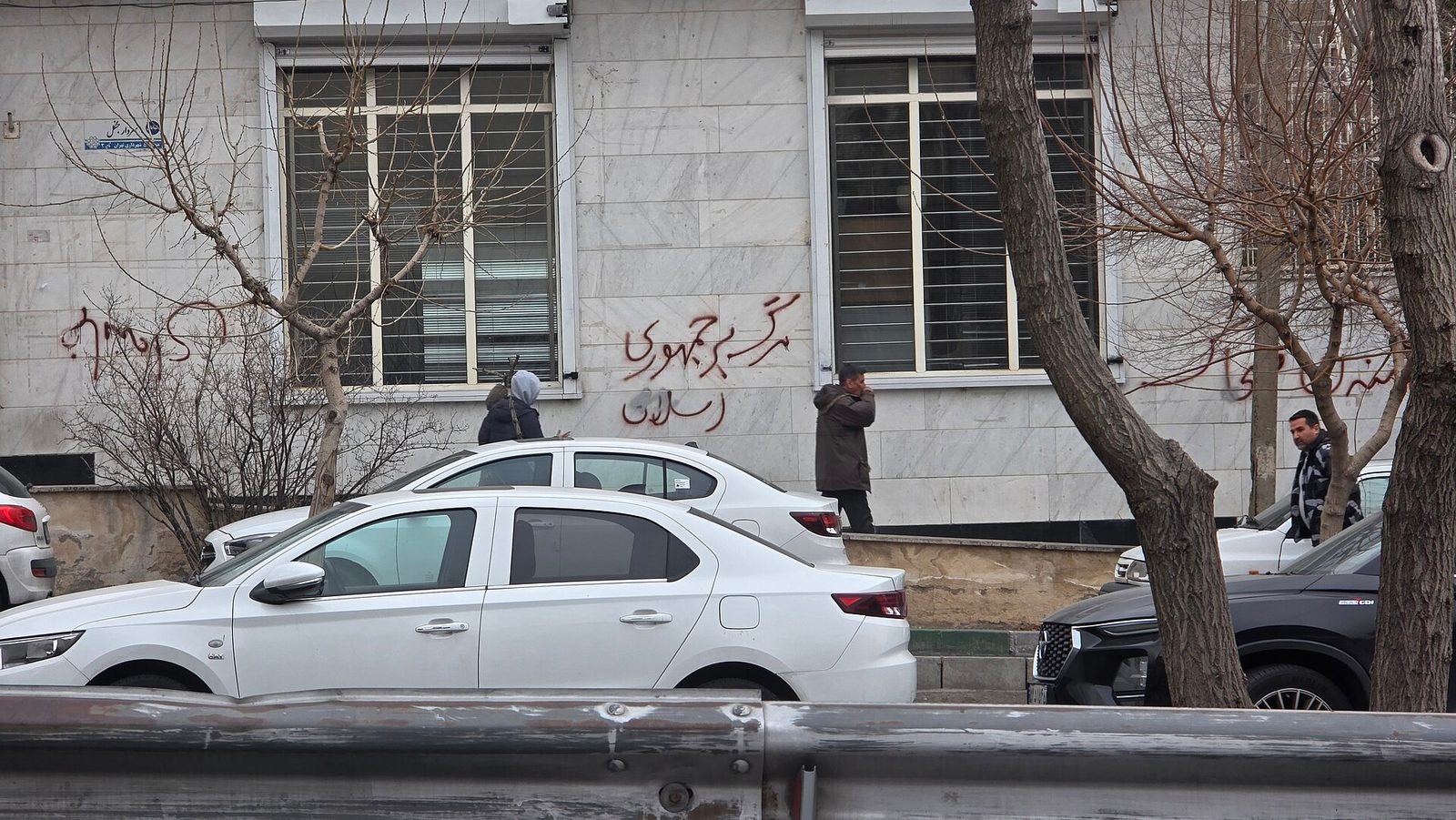
Archive photo · 10 January 2026Iranian Officials Warn Economic Crisis Could Spark Internal Security Concerns
3 Other2 Asian1 West AsianPhoto: Hosseinronaghi, CC BY 4.0 · Cropped for layout
This article is an automated aggregation of coverage from news outlets. Our editorials offer in-depth analysis curated by the NewsCord team.
Officials warn prolonged economic crisis could trigger internal security threats and public unrest. Economic pressure is described as eroding social cohesion and fueling anger among citizens.
Save coverage image
6 outlets in this story. Read their headlines below.
Tolerance and internal security
Iranian officials increasingly framed the country’s economic crisis as a domestic security risk, with Ali Rabiei, Masoud Pezeshkian’s social affairs adviser, warning on November 12 that if society reaches its “threshold of tolerance” and becomes fragile, the situation could become “an issue in the realm of internal security.” Judiciary Chief Gholam-Hossein Mohseni-Ejei accused Iran’s enemies of trying to exploit economic hardship by seeking to “make people hopeless” and increase economic pressure to weaken national cohesion. Sociologist Mohammad Amirpanahi warned in a Donya-e Eqtesad discussion that families were cutting food quality, healthcare, education and leisure, taking additional jobs and increasingly borrowing, while he cautioned that this outward adaptation concealed “psychological and social erosion.”
Economic researcher Samaneh Golab said Iran had experienced repeated protests during the past decade while underlying causes had never been resolved, and she described society’s current condition as “agitation” that had “continuously intensified.” Gholam-Hossein Mohseni-Ejei’s warning and Amirpanahi’s description of “psychological and social erosion” were presented as part of a broader shift in how officials and regime-aligned media discussed prolonged economic pressure and its potential to spill into the streets.
US weighs strikes, keeps pressure
President Donald Trump told senior advisers he may hold off on attacking Iran if the US faces no new provocations from Tehran or the Iran-backed Houthis in Yemen, according to three people familiar with the matter.
Trump told sports broadcaster Stephen A. Smith on Thursday, “I could end it immediately, but at the request of the nations that I am looking to protect, we are doing it a little bit longer way, a bit more civilly,” as the administration weighed military options against a preference for restraint.
US intelligence agencies assessed that the US naval blockade and economic sanctions are hurting the Iranian economy and would continue to put pressure on Tehran, while the US military also sought to prevent weapons and other sanctioned material from entering the country by land or through the Caspian Sea.
Marco Rubio said further US military strikes were unnecessary, arguing that economic pressure had significantly weakened Iran’s leadership, and Rubio said, “the economic pain that we are inflicting on that regime is so great that there's no need for military action.”
The US military shot down two Iranian attack drones heading towards Bahrain, rejecting Iranian claims that a US radar installation in the kingdom had been hit.
Organ sales and maritime losses
Iran’s economic crisis was described as pushing residents into selling organs and body tissues, with Iran International’s investigation finding a growing online market where financially distressed Iranians advertised body parts for sale. Iran International examined more than 600 advertisements posted on a Telegram channel between late May and late October, and kidneys were the most frequently advertised with 498 listings. Bone marrow appeared in 279 advertisements, followed by liver in 51, testicles in 15 and corneas in two, and 142 listings offered both kidneys and bone marrow.
The United Nations’ International Maritime Organization (IMO) said 25 seafarers had died in about 134 maritime incidents in the region since February, and October recorded the highest monthly frequency of attacks on commercial shipping during the period. Iran informed the International Atomic Energy Agency (IAEA) that discussions on monitoring its nuclear programme could not continue while the country faced military threats, and IAEA inspectors remain barred from facilities targeted in Israeli and US strikes in June 2025.