Iran · 19 June, 2026 · 3 min read
Iran-US MoU Ends Operations, Lifts U.S. Naval Blockade, Reopens Strait of Hormuz
Iran and the United States sign MoU, ending joint operations. Iran gains military and political upper hand, altering regional balance.
Who 'won' the US-Iran war and why the MoU happened.
2 of 3 outlets skipped it: ayatollah Khamenei said Trump acted from desperation..
PressTV was read line by line by the Watchdog: 2.4. See the score →
19outlets compared
Same story, two versions
tap a side to read it in full
The Atlantic
“President Trump lost. The war he waged against Iran promises to conclude”Read the original ↗
Frames determine whether the MoU is relief or defeat.
MoU, ceasefire, negotiations
A memorandum of understanding signed on Wednesday between Tehran and Washington is presented by the Tehran Times as the clearest political acknowledgment yet of Iran’s “victory” in the joint US‑Israeli aggression that began on February 28.
“requires the immediate end of all military operations, including in Lebanon”
The Tehran Times says the MoU requires the immediate end of all military operations, including in Lebanon, and lifts the US naval blockade on Iran while reopening the Strait of Hormuz to commercial shipping under mechanisms coordinated between Iran and Oman.T

It also says the document launches a 60‑day verification and negotiation period covering sanctions relief, the nuclear file, reconstruction, economic development, and a monitoring system for implementation.
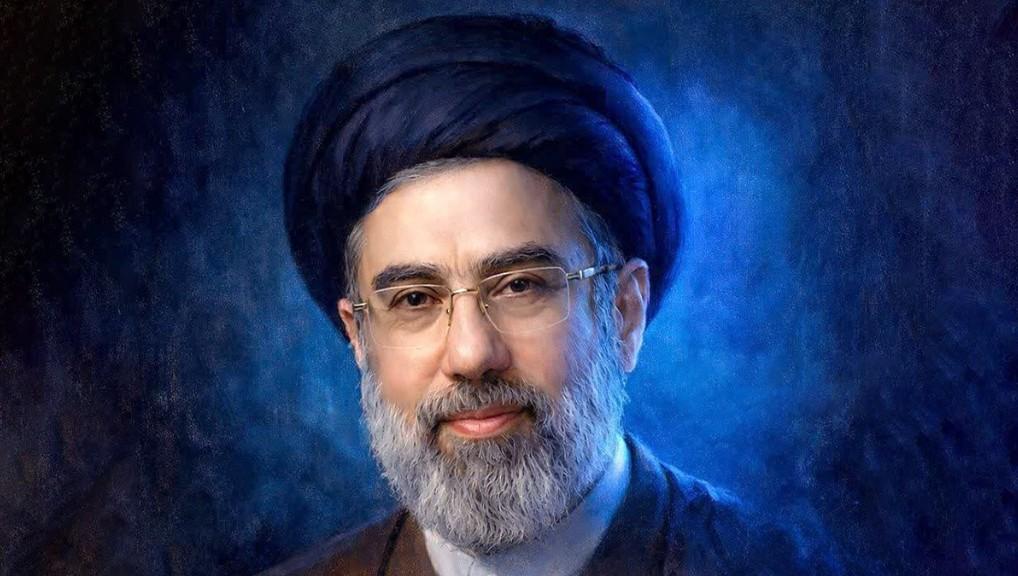
In a message released on Thursday, Ayatollah Khamenei said, “a memorandum of understanding was signed between the presidents of Iran and America,” and he described the US president as “using various leverage points” out of “desperation.”
The NoorNews account adds that the MoU calls for a permanent end to hostilities across all fronts, the removal of the US naval blockade within 30 days, the restoration of commercial traffic through the Strait of Hormuz, and a reconstruction plan worth at least $300 billion.
Lebanon attacks and talk delays
As the US and Iranian delegations delayed plans to travel to Switzerland for the opening round of talks, Common Dreams reported that “Renewed Israeli Aggression” in Lebanon killed at least 18 people and threatened to derail progress toward a US-Iran peace deal.
Common Dreams quotes Vance warning that, “We seem to be right on the cusp of a major breakthrough in the agreement,” before “a major explosion” in a civilian population center in Beirut killed people “who have nothing to do Hezbollah.”
The same Common Dreams account says the memorandum calls for “the immediate and permanent termination of military operations on all fronts, including in Lebanon,” and it frames Israel’s strikes as occurring hours after Vance publicly complained about bombing campaigns during critical stages of the Trump administration’s talks.
Middle East Eye reported that Israeli military activity continued across parts of southern Lebanon despite the upcoming signing of the memorandum, with deaths recorded in the Nabatieh district and drone strikes and military operations intensifying.
It also said Al Jazeera reported that the town of Mayfadoun was among the areas targeted, with several people killed in drone attacks.
Stakes: sanctions, assets, and enforcement
The Tehran Times says the MoU lifts the US naval blockade and commits the United States to ending all sanctions and releasing frozen Iranian assets, while also working with regional partners on a $300 billion reconstruction plan for Iran.T
“releasing frozen Iranian assets”
It further claims the agreement is built on “active distrust” of the United States and says President Masoud Pezeshkian described it as a “historic document” that peace is possible only on the basis of mutual respect and acknowledgment of Iran’s sovereignty.
In the NoorNews account, Khamenei said Iran would “await the fulfillment of the stated conditions,” while insisting that future in-person negotiations would not mean accepting “the enemy's view.”
The Atlantic frames the stakes for Washington by saying Trump’s lead negotiators Jared Kushner and Steve Witkoff supported the agreement, but it reports that Secretary of State Marco Rubio, Secretary of Defense Pete Hegseth, CIA Director John Ratcliffe, and others expressed “quiet reservations” about how the deal will be implemented.T
The Atlantic also states that officials said the deal would extend the cease-fire over the next 60 days and that Iran will reopen the Strait of Hormuz, allowing the U.S. to drop its naval blockade and oil to flow from the region again.T