Iran · 02 August, 2026 · 3 min read
Trump Cancels Planned Attack On Iran After Tehran, Oman Talks Near Final Stage
Trump canceled planned attack after Iran and regional states urged pause; a deal framework existed. Hormuz talks with Oman near final stage; cancellation tied to rapid agreement.
Whether Tehran asked for the halt.
11 of 12 outlets skipped it: iran International reports Hormuz talks with Oman near final stage.
New York Post was read line by line by the Watchdog: 4.0. See the score →
25outlets compared
Same story, two versions
tap a side to read it in full
Al Jazeera
“Iran denied Trump’s claim that Tehran asked the US to refrain from conducting new strikes.”Read the original ↗
CNN Arabic
“Trump said ... canceled ... claiming that terms of a deal had been agreed upon.”Read the original ↗
Iran denies it; others cite Trump’s claim, creating an attribution mismatch
Trump cancels Iran strike
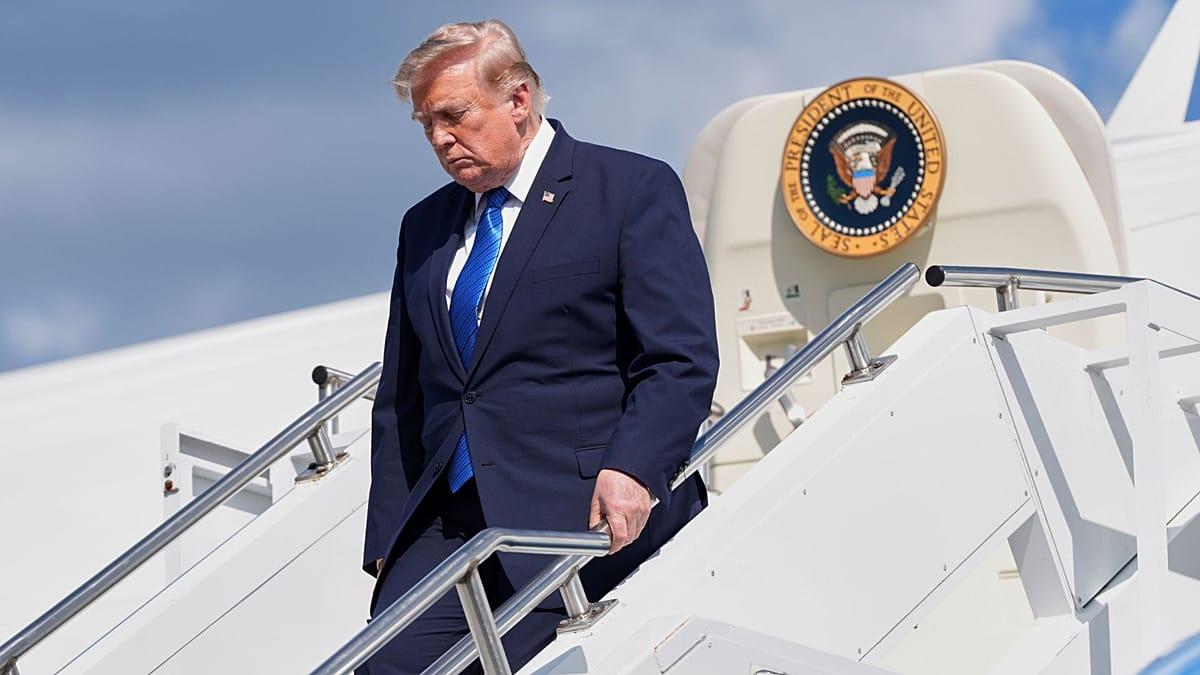
U.S. President Donald Trump said he canceled a planned attack on Iran after Tehran and other Middle Eastern countries asked for a pause, with the stated aim of allowing time for diplomacy and a deal framework.
“Negotiations between Iran and Oman over the Strait of Hormuz are in their final stages”
Trump said the agreement would include the “Immediate, Complete, and Total OPENING OF THE HORMUZ STRAIT, and an end to Iran’s nuclear threat,” and he added that the cancellation was “subject to being able to rapidly make a DEAL.”

Iran’s Foreign Minister Abbas Araghchi said on Sunday that negotiations between Iran and Oman over the Strait of Hormuz were in their final stages, after Trump called off the strike.
Iran’s acting defense minister said Tehran considers every threat from its adversaries credible and uses it to increase its military readiness and deterrence, while Saudi Crown Prince Mohammed bin Salman urged dialogue and de-escalation in a phone call with Trump.
The Strait of Hormuz remained a central focus as Iran’s Foreign Ministry spokesperson Esmaeil Baghaei said negotiations with Oman were aimed at finding a mutual mechanism, and that “The strait was closed because the US reneged on its commitments and imposed a blockade.”
Competing claims and readiness
Iran International reported that Iran’s acting defense minister said Tehran considers every threat credible and uses it to increase readiness and deterrence, while CNBC said Iran reacted with caution and described threats as part of “psychological and cognitive warfare.”
CNBC quoted Iran’s acting Defense Minister, Seyyed Majid Ibn Al-Reza, saying, “we consider every threat to be real and take it seriously,” and it also cited Iran’s warning that the blockade would result in the closure of key shipping routes.

The Times of Israel reported that Iranian military officials quoted in heavily state-controlled media pushed back on Trump’s claim that Tehran asked for attacks to be called off, with unnamed sources calling the allegation a “lie.”
The Times of Israel also said Iranian Foreign Minister Abbas Araghchi warned against any “adventurous action” and said Tehran would retaliate decisively if American forces followed through on Trump’s threats.
In parallel, Israel’s Channel 12 reported that Israel remained on high alert despite Trump canceling planned strikes, assessing that Tehran could still “spring surprises.”
What’s at stake next
The deal outline tied to the cancellation put the Strait of Hormuz and Iran’s nuclear threat at the center, with Trump saying the “Immediate, Complete, and Total OPENING OF THE HORMUZ STRAIT” would be part of the framework.
“reopening the Strait of Hormuz and halting attacks across the region”
AP reported that a proposal announced by Trump calls for reopening the Strait of Hormuz and halting attacks across the region, including attacks by Iranian-backed militias in Iraq on Persian Gulf countries and Jordan, while the U.S. would end its naval blockade and allow Tehran to export oil as stated in the tentative ceasefire deal.
Iran International said Iran and Oman negotiations were aimed at a mutual mechanism, and it quoted Esmaeil Baghaei saying the understanding with Oman over a new transit route “has nothing to do with whether the Strait of Hormuz remains open or closed.”
CNN Arabic said Trump told viewers the U.S. canceled the planned attack while remaining “on standby and fully prepared to move against the Islamic Republic of Iran,” and it described Israel as sharing in the decision to suspend strikes.C
As the standoff continued, CNBC said a temporary ceasefire following a memorandum of understanding signed on June 17 had effectively broken down, and it framed the next phase around sticking points including Iran’s nuclear program and control of shipping through the Strait of Hormuz, through which about a fifth of the world’s oil supplies moved before the war broke out.