Iran · 04 August, 2026 · 3 min read
Trump Holds Off New Strikes Against Iran After Qatar, Saudi Arabia, UAE Urge Diplomacy
Trump pauses planned strikes on Iran after Gulf allies urge diplomacy. Mediators report progress toward reopening the Strait of Hormuz, no final deal.
Who is actually negotiating: US-Iran talks versus Iran-Oman talks only.
6 of 8 outlets skipped it: UKMTO reported ship struck near Al Khusb, Oman.
NBC News was read line by line by the Watchdog: 7.1. See the score →
109outlets compared
Same story, two versions
tap a side to read it in full
Al Jazeera
““We are not going to host a delegation or be guests of a country during these days.””Read the original ↗
ABC7 Chicago
“Trump added that a plan was in place for U.S. forces to carry out "the biggest attack since World War II" on Sunday.”Read the original ↗
Al Jazeera and BBC foreground Iran denial; ABC7 treats Trump and Gulf urging as core causes.
Strikes Paused, Talks Loom
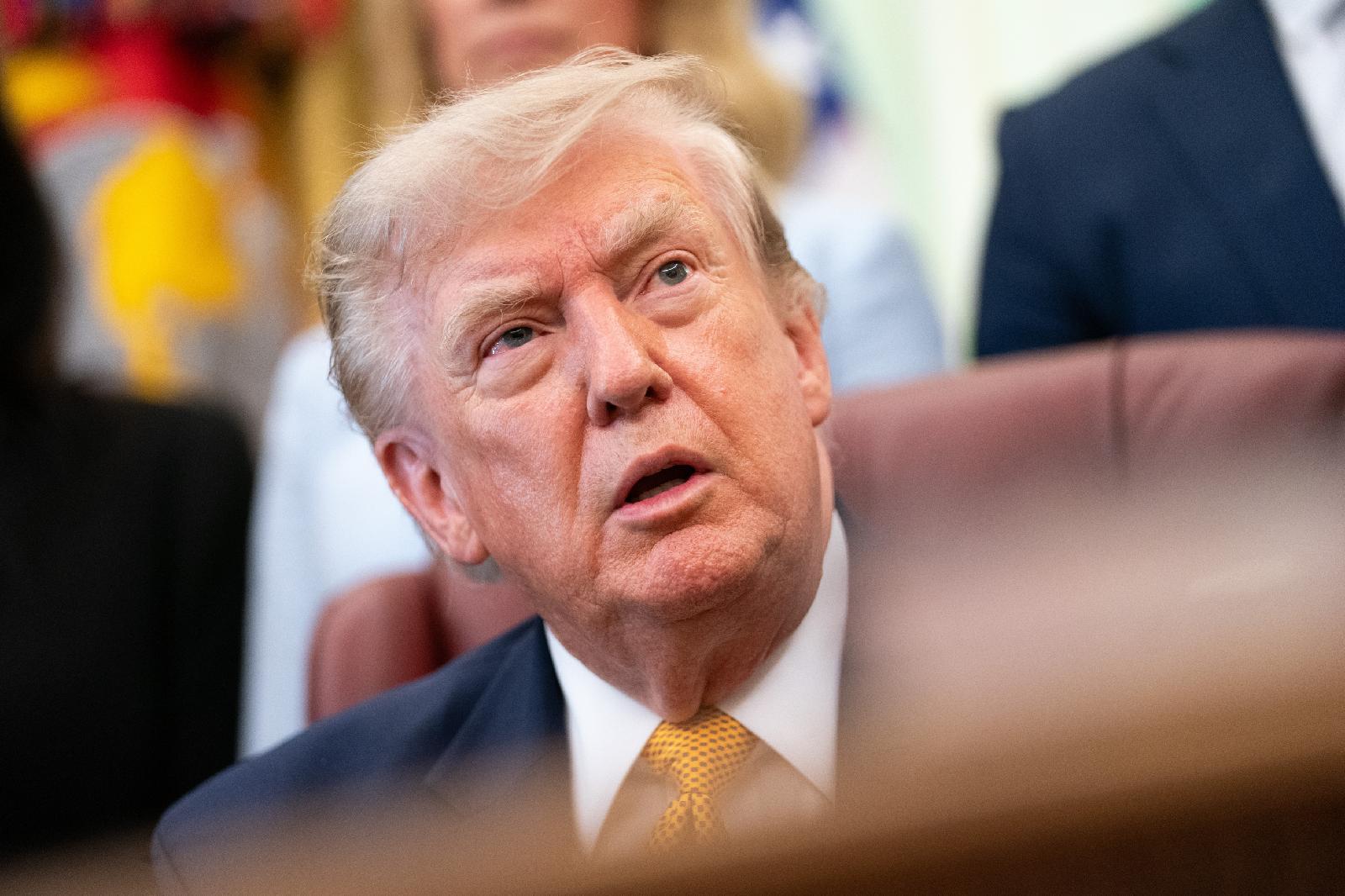
U.S. President Donald Trump said Sunday he decided to hold off on ordering American forces to carry out new strikes against Iran at the urging of Gulf allies Qatar, Saudi Arabia and the United Arab Emirates, after hearing from key Gulf leaders including Saudi Crown Prince Mohammed bin Salman.
“Trump added that a plan was in place for U.S. forces to carry out "the biggest attack since World War II" on Sunday.”
Trump told reporters on Air Force One, "I said to the crown prince, 'What would you rather do? Would you rather us do this or not?'" as he flew back to Washington after spending the weekend at his golf club in Bedminster, New Jersey.
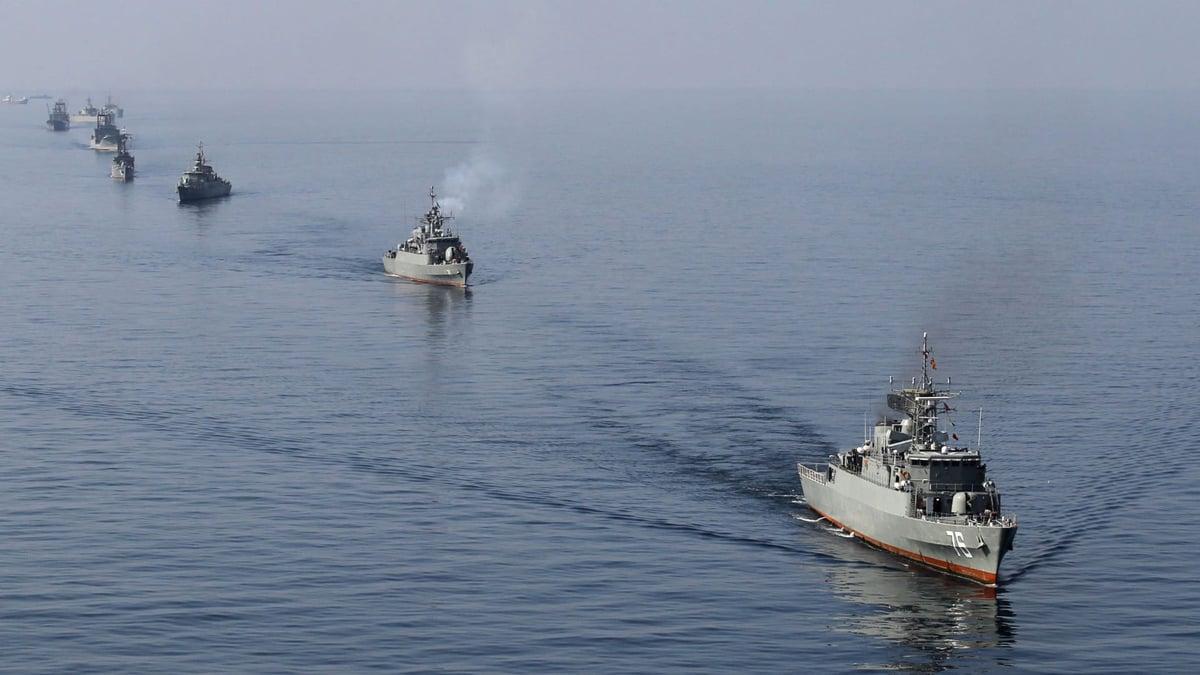
Trump also said a plan was in place for U.S. forces to carry out "the biggest attack since World War II" on Sunday, but he scrapped it to give diplomacy more time to play out.
Iran’s Foreign Ministry spokesperson Esmail Baghaei said on Sunday that the Strait of Hormuz "will in no way return to the status it was before February 28th," the day the war started.
Al Jazeera reported that Trump told reporters new talks were set to begin on Monday after calling off what he said would have been “massive strikes” on Iran, while an Iranian Foreign Ministry spokesman said, "We are not going to host a delegation or be guests of a country during these days."A
Competing Narratives on Negotiations
Trump said the talks were ongoing and described them as Iran’s last chance to sign a good document, telling reporters at the White House, "The talks are ongoing now, and this is their last chance to sign a good document."
Iran’s Foreign Ministry spokesperson Esmaeil Baghaei denied that any negotiations were taking place with the United States, saying, "We are not currently negotiating with the United States."
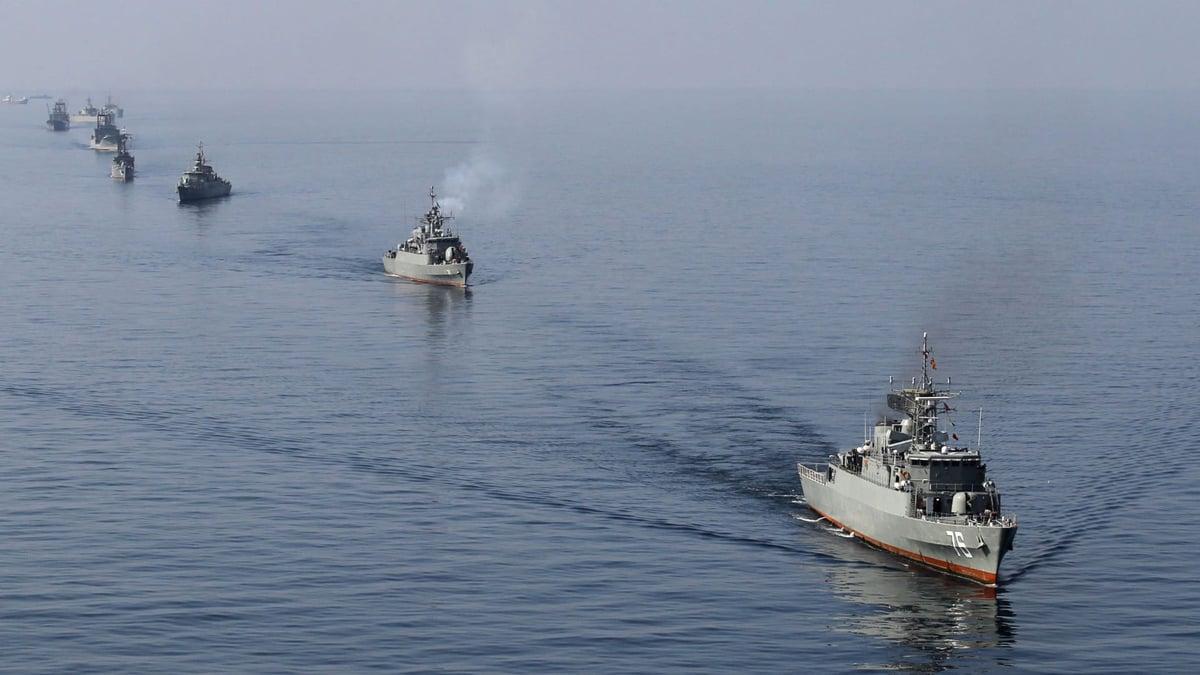
Al Jazeera’s Osama Bin Javaid reported from Doha that mediators were ready to fly to Tehran for an indirect negotiation session, and he said, "There are going to be intermediaries."A
In the same reporting, Bin Javaid said the talks would likely first focus on ongoing discussions between Iran and Oman for a deal on control of the critical Strait of Hormuz.
The BBC reported that Trump said negotiations would begin "as of tomorrow" for a possible reopening of the Strait of Hormuz, while the Iranian spokesman said Iran’s negotiations with Oman aim to secure passage through the Strait of Hormuz.
Hormuz Stakes and Regional Ripples
CBS News said Secretary of State Marco Rubio told reporters Tuesday that progress has been made in talks between Iran and Oman on the Strait of Hormuz, "but not finality yet," and he added, "We're hoping that will happen very shortly."
“"but not finality yet," adding, "We're hoping that will happen very shortly."”
CBS also described an Iranian source familiar with direct Iran-Oman talks saying the proposal’s mechanics would have ships entering the strait use the channel closest to Iran with Iran coordinating inbound traffic, while vessels leaving would use the Omani side with Muscat managing outbound traffic.
Trump again backed down on attacks against Iran to allow for negotiations, saying, "I want to give them every last chance before decapitation. … We'll see what happens."
CNN Arabic reported that UKMTO said a merchant vessel issued a distress call on Channel 16 (VHF) on Tuesday local time after being struck by an "unknown projectile" about 23 miles (37 kilometers) northeast of the Omani city of Khasab.
In parallel, Al Jazeera reported that Trump emphasized the U.S. blockade as a way to enforce freedom of navigation, saying, "Nothing gets through to Iran, unless we want it to, and nothing will get through, unless a Deal, or Total Surrender, is accomplished."A