Iran · updated 1h ago · 3 min read
Iran Warns It Can Strike U.S. Navy Vessels Enforcing Washington’s Arabian Gulf Blockade
Iran warns it can strike US Navy ships enforcing the blockade in the Gulf. IRGC missiles hit a US base in Jordan in retaliation for tanker attacks.
Which action is emphasised as the main escalation trigger.
2 of 3 outlets skipped it: US studied fast amphibious landing and using islands as forward points.
10outlets compared
Same story, two versions
tap a side to read it in full
BBC
“The IRGC said in a statement early Wednesday that it carried out intense missile strikes on the "Blue Base of the United States in Jordan"”
Translated from the original.
Read the original ↗Gulf News
“Iran has warned that it has the capability to strike US Navy vessels enforcing Washington's blockade of Iranian shipping.”Read the original ↗
BBC foregrounds missile-and-base retaliation details; Gulf News foregrounds blockade enforcement and tanker strikes as the escalation centre.
Hormuz Escalation
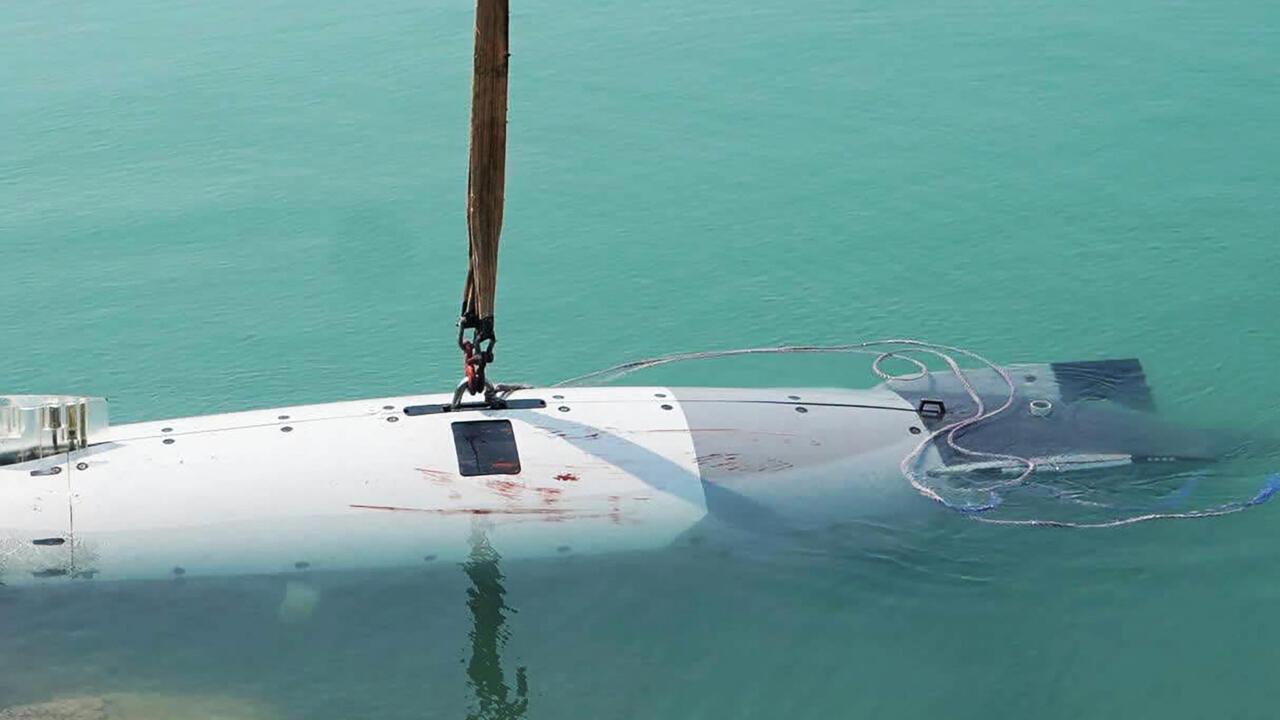
Iran warned it can strike U.S. Navy vessels enforcing Washington’s blockade of Iranian shipping as the confrontation in the Arabian Gulf escalates, with Iran’s acting defence minister Brig. Gen. Majid Ibn Reza telling Press TV that Iranian forces are "sufficient" to target American naval forces.
“Ibn Reza claimed the country's military capabilities as "sufficient" to target American naval forces.”
The warning came after U.S. Central Command said the latest escalation began Sept. 5, when the Islamic Revolutionary Guard Corps launched ballistic missiles toward two U.S. Navy warships, and the American response was immediate with CentCom saying U.S. forces struck three Iranian crude-oil carriers.

CentCom said two vessels were permanently disabled and a third, which was unladen, was destroyed, and the Reuters report said the strikes marked an escalation because Washington was no longer simply intercepting vessels attempting to evade its blockade.
The Reuters account also tied the maritime clashes to Iran’s oil exports and commercial tankers, describing how U.S. naval forces enforcing the blockade and Iranian shipping increasingly became interconnected military targets.
In parallel, Iran’s acting defence minister framed the confrontation as an "economic blockade" and said the warning reflected Iranian capability to broaden targets beyond commercial shipping.
Rubio’s Threat
U.S. Secretary of State Marco Rubio warned Tehran that it would "lose oil carriers" each time it continues targeting ships belonging to the U.S. Navy, speaking during a visit to Colombia as the Strait of Hormuz saw mutual attacks.
Anadolu Ajansı reported that CENTCOM announced the destruction of 5 Iranian oil tankers in response to the targeting of an American warship twice within two days, while the IRGC announced the targeting of two American ships, 8 oil tankers, and 10 other vessels in the Strait of Hormuz.
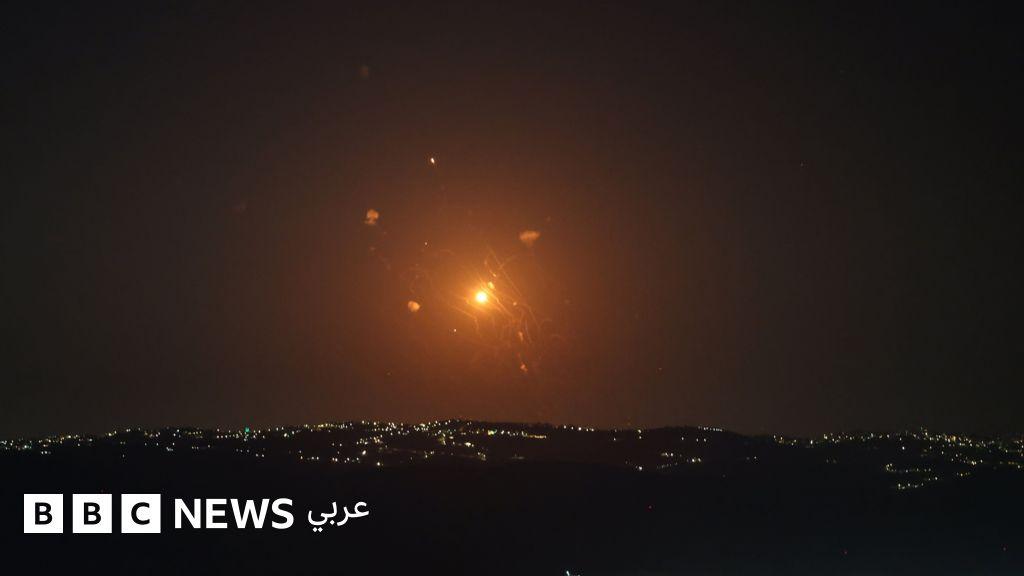
The BBC described the IRGC’s statement early Wednesday that it carried out intense missile strikes on the "Blue Base of the United States in Jordan" in response to the American attack on Iranian oil tankers.B
The BBC also said Jordan’s air defenses engaged 20 ballistic missiles launched from Iran targeting the kingdom, intercepting 18 of them while two missiles fell in an unpopulated area, and it stressed that no loss of life occurred.B
Across the accounts, Rubio’s retaliation message and Iran’s counterstrike claims reinforced a cycle in which tankers and warships remain central targets in the Strait of Hormuz confrontation.
Oil Prices and Next Steps
As the conflict intensified, Reuters reported that Brent futures rose $2.77, or 2.83%, to $100.69 a barrel by 10:33 GMT, after earlier hitting $100.95, with WTI rising $2.18, or 2.34%, to $95.21 a barrel.
“Brent futures rose $2.77, or 2.83%, to $100.69 a barrel by 10:33 GMT”
Reuters said the market was reassessing the length of the Middle East crisis and its impact on supply, quoting Ole Hansen, head of commodity strategy at Saxo Bank, saying "Brent moving above $100 and back above it reflects a market" needing to reassess the crisis.
The Reuters report also described how Houthi attacks allied with Iran ignited fires at Saudi oil facilities, threatening crude oil shipments through the Red Sea as an alternative route to the Strait of Hormuz, and it said crude supply flows were sharply tightened since the war with Iran began on February 28.
In parallel, the BBC said the U.S. military destroyed five Iranian oil tankers on Tuesday after Tehran launched ballistic missiles at a United States Navy warship twice within the past two days, and it added that the warship continued patrols "with no injuries to American personnel."B
With the Strait of Hormuz described as a strategic passage and the confrontation tied to energy flows, the Reuters account framed the immediate risk as whether attacks on oil tankers would lead to a reduction in shipments from one vessel to another in the Strait of Hormuz.